Category: Security

  • How to Use Managed Identities in Azure Container Apps Without Leaking Secrets

    How to Use Managed Identities in Azure Container Apps Without Leaking Secrets

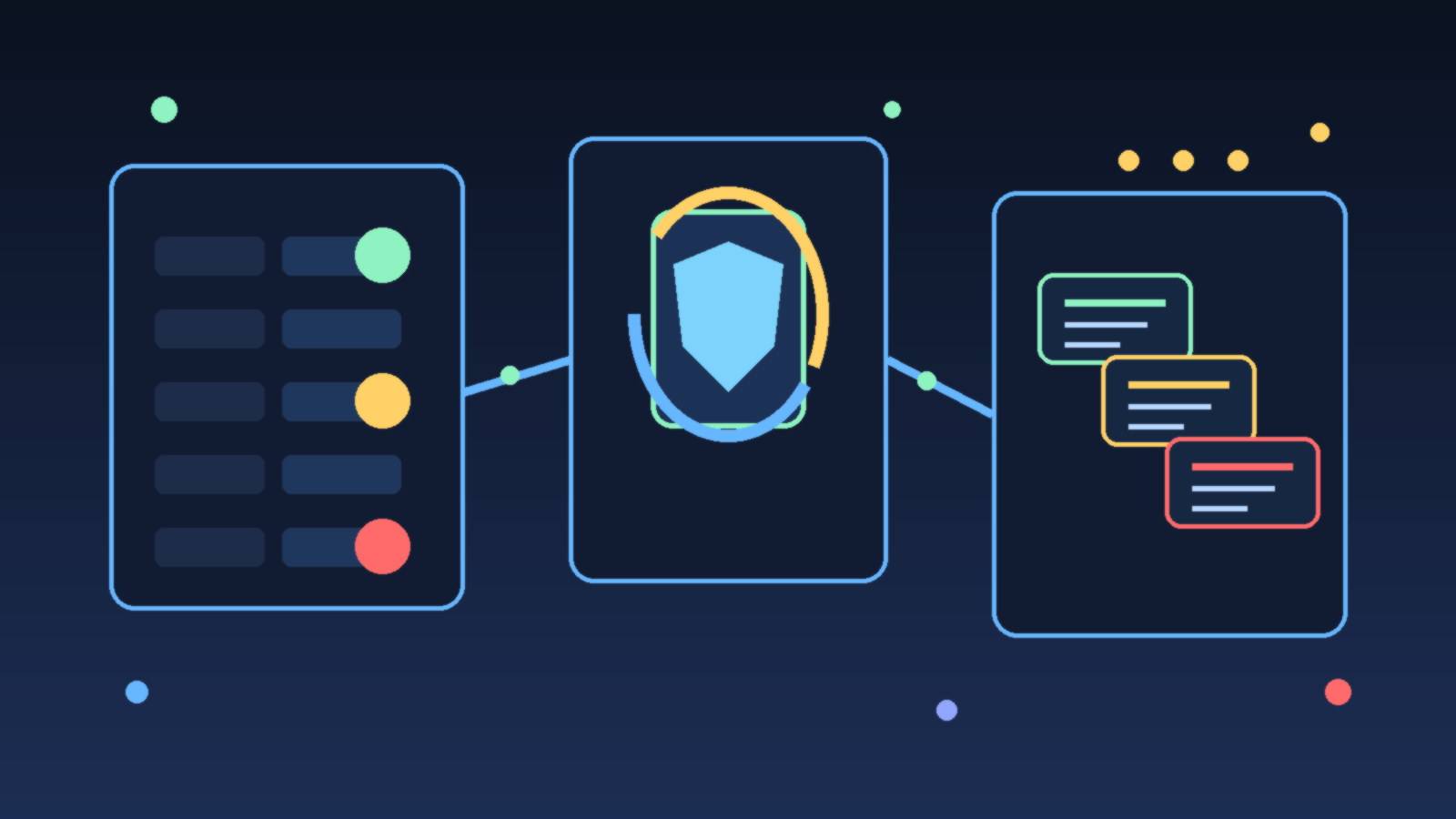
    Abstract illustration of cloud containers connecting to secured identity tokens and protected services

    Azure Container Apps give teams a fast way to run APIs, workers, and background services without managing the full Kubernetes control plane. That convenience is real, but it can create a dangerous illusion: if the deployment feels modern, the security model must already be modern too. In practice, many teams still smuggle secrets into environment variables, CI pipelines, and app settings even when the platform gives them a better option.

    The better default is to use managed identities wherever the workload needs to call Azure services. Managed identities do not eliminate every security decision, but they do remove a large class of avoidable secret handling problems. The key is to treat identity design as part of the application architecture, not as a last-minute checkbox after the container already works.

    Why Secret-Based Access Keeps Sneaking Back In

    Teams usually fall back to secrets because they are easy to understand in the short term. A developer creates a storage key, drops it into a configuration value, tests the app, and moves on. The same pattern then spreads to database connections, Key Vault access, service bus clients, and deployment scripts.

    The trouble is that secrets create long-lived trust. They get copied into local machines, build logs, variable groups, and troubleshooting notes. Once that happens, the question is no longer whether the app can reach a service. The real question is how many places now contain reusable credentials that nobody will rotate until something breaks.

    Managed Identity Changes the Default Trust Model

    A managed identity lets the Azure platform issue tokens to the workload when it needs to call another Azure resource. That means the application can request access at runtime instead of carrying a static secret around with it. For Azure Container Apps, this is especially useful because the app often needs to reach services such as Key Vault, Storage, Service Bus, Azure SQL, or internal APIs protected through Entra ID.

    This shifts the trust model in a healthier direction. Instead of protecting one secret forever, the team protects the identity boundary and the role assignments behind it. Tokens become short-lived, rotation becomes an Azure problem instead of an application problem, and accidental credential sprawl becomes much harder to justify.

    Choose System-Assigned or User-Assigned on Purpose

    Azure gives you both system-assigned and user-assigned managed identities, and the right choice depends on the workload design. A system-assigned identity is tied directly to one container app. It is simple, clean, and often the right fit when a single application has its own narrow access pattern.

    A user-assigned identity makes more sense when several workloads need the same identity boundary, when lifecycle independence matters, or when a platform team wants tighter control over how identity objects are named and reused. The mistake is not choosing one model over the other. The mistake is letting convenience decide without asking whether the identity should follow the app or outlive it.

    Grant Access at the Smallest Useful Scope

    Managed identity helps most when it is paired with disciplined authorization. If a container app only needs one secret from one vault, it should not receive broad contributor rights on an entire subscription. If it only reads from one queue, it should not be able to manage every messaging namespace in the environment.

    That sounds obvious, but broad scope is still where many implementations drift. Teams are under delivery pressure, a role assignment at the resource-group level makes the error disappear, and the temporary fix quietly becomes permanent. Good identity design means pushing back on that shortcut and assigning roles at the narrowest scope that still lets the app function.

    Do Not Confuse Key Vault With a Full Security Strategy

    Key Vault is useful, but it is not a substitute for proper identity design. Many teams improve from plain-text secrets in source control to secrets pulled from Key Vault at startup, then stop there. That is better than the original pattern, but it can still leave the application holding long-lived credentials it did not need to have in the first place.

    If the target Azure service supports Entra-based authentication directly, managed identity is usually the better path. Key Vault still belongs in the architecture for cases where a secret truly must exist, but it should not become an excuse to keep every integration secret-shaped forever.

    Plan for Local Development Without Undoing Production Hygiene

    One reason secret patterns survive is that developers want a simple local setup. That need is understandable, but the local developer experience should not quietly define the production trust model. The healthier pattern is to let developers authenticate with their own Entra identities locally, while the deployed container app uses its managed identity in Azure.

    This keeps environments honest. The code path stays aligned with token-based access, developers retain traceable permissions, and the team avoids inventing an extra pile of shared development secrets just to make the app start up on a laptop.

    Observability Matters After the First Successful Token Exchange

    Many teams stop thinking about identity as soon as the application can fetch a token and call the target service. That is too early to declare victory. You still need to know which identity the app is using, which resources it can access, how failures surface, and how role changes are reviewed over time.

    That is especially important in shared cloud environments where several apps, pipelines, and platform services evolve at once. If identity assignments are not documented and reviewable, a clean managed identity implementation can still drift into a broad trust relationship that nobody intended to create.

    Final Takeaway

    Managed identities in Azure Container Apps are not just a convenience feature. They are one of the clearest ways to reduce secret sprawl and tighten workload access without slowing teams down. The payoff comes when identity boundaries, scopes, and role assignments are designed deliberately instead of accepted as whatever finally made the deployment succeed.

    If your container app still depends on copied connection strings and long-lived credentials, the platform is already giving you a better path. Use it before those secrets become permanent infrastructure baggage.
  • How to Govern AI Tool Access Without Turning Every Agent Into a Security Exception

    How to Govern AI Tool Access Without Turning Every Agent Into a Security Exception

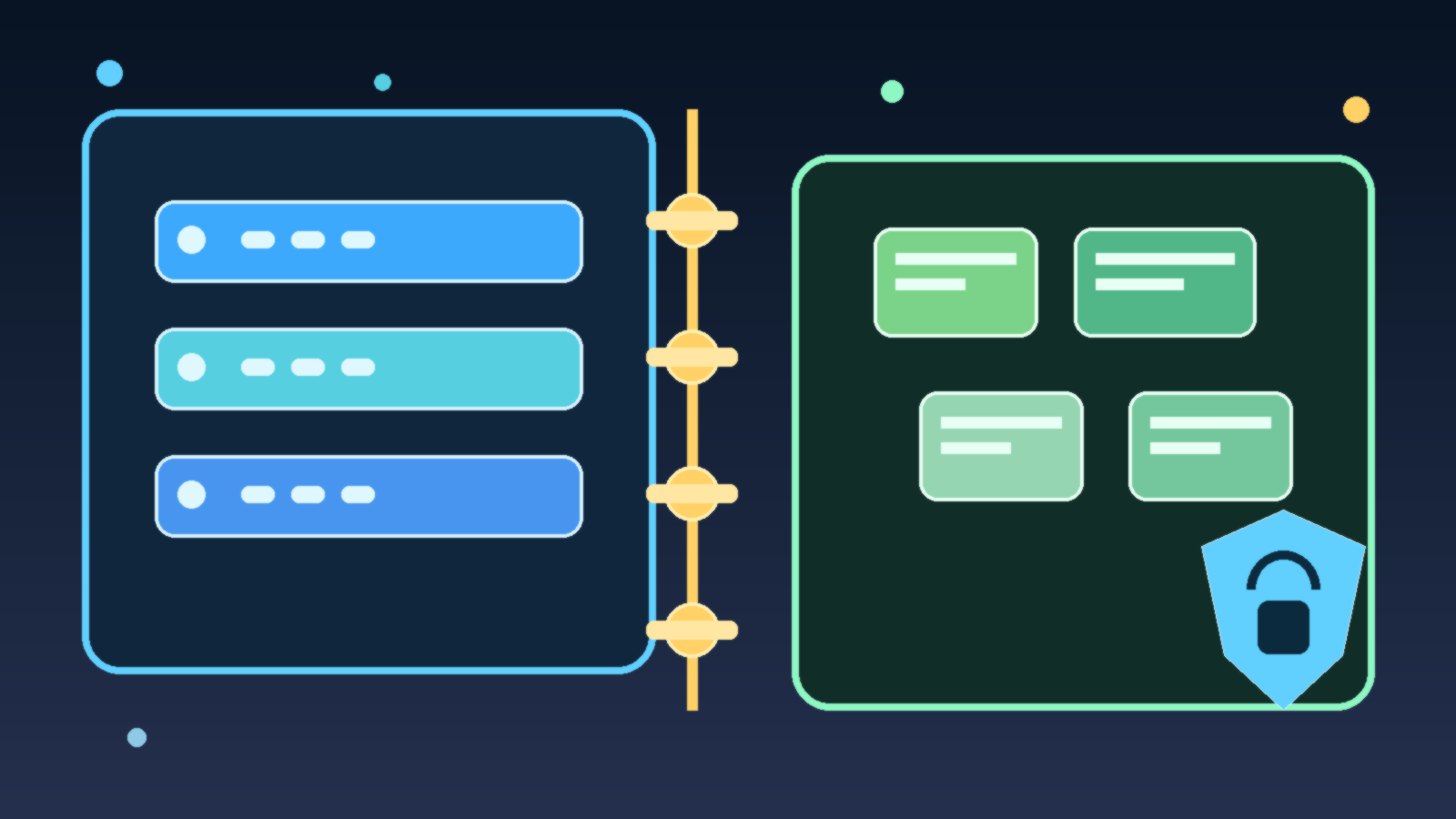
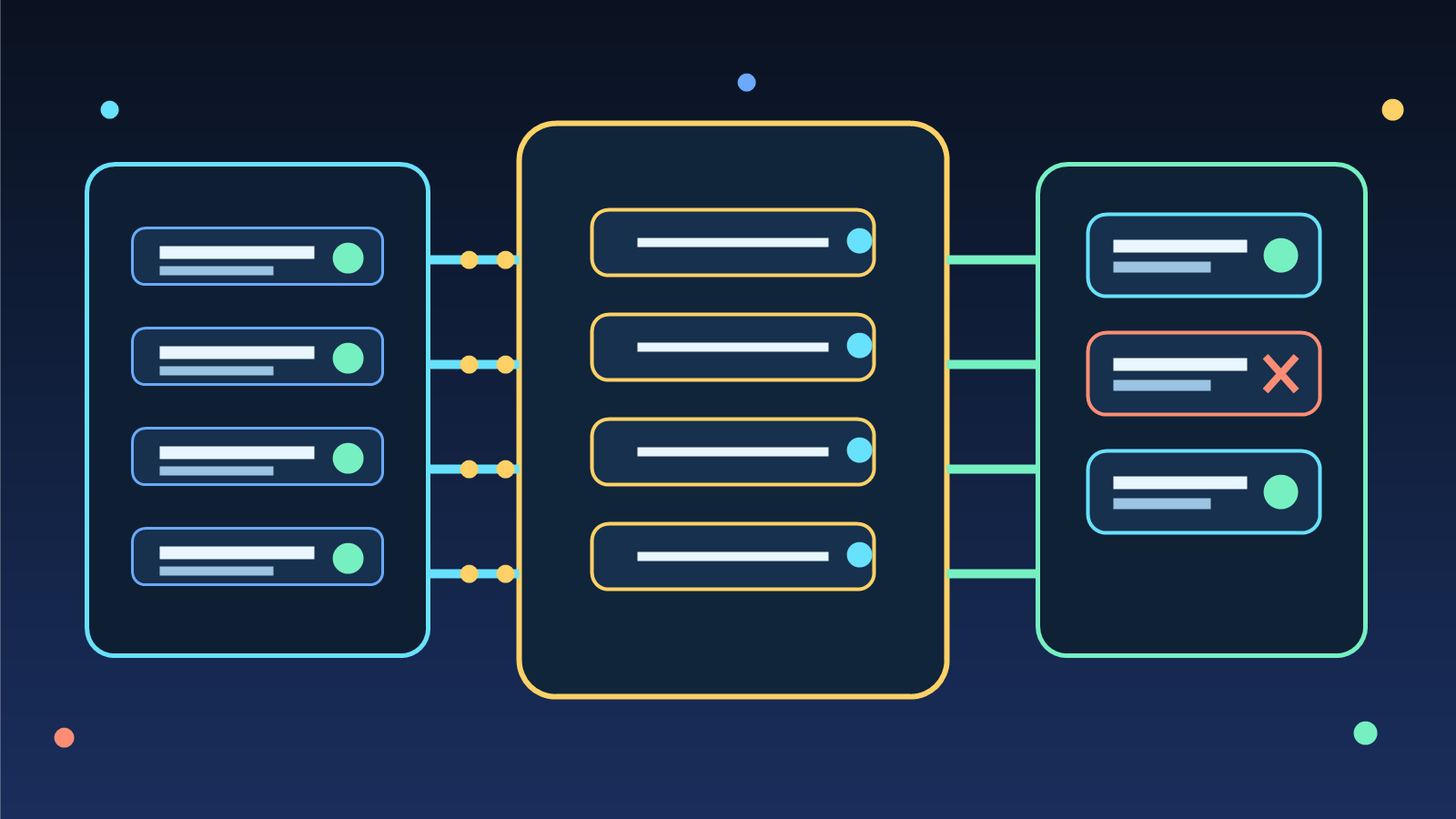
    Abstract illustration of a developer workspace, a central AI tool gateway, and governed tool lanes with policy controls

    AI agents become dramatically more useful once they can do more than answer questions. The moment an assistant can search internal systems, update a ticket, trigger a workflow, or call a cloud API, it stops being a clever interface and starts becoming an operational actor. That is where many organizations discover an awkward truth: tool access matters more than the model demo.

    When teams rush that part, they often create two bad options. Either the agent gets broad permissions because nobody wants to model the access cleanly, or every tool call becomes such a bureaucratic event that the system is not worth using. Good governance is the middle path. It gives the agent enough reach to be helpful while keeping access boundaries, approval rules, and audit trails clear enough that security teams do not have to treat every deployment like a special exception.

    Tool Access Is Really a Permission Design Problem

    It is tempting to frame agent safety as a prompting problem, but tool use changes the equation. A weak answer can be annoying. A weak action can change data, trigger downstream automation, or expose internal systems. Once tools enter the picture, governance needs to focus on what the agent is allowed to touch, under which conditions, and with what level of independence.

    That means teams should stop asking only whether the model is capable and start asking whether the permission model matches the real risk. Reading a knowledge base article is not the same as changing a billing record. Drafting a support response is not the same as sending it. Looking up cloud inventory is not the same as deleting a resource group. If all of those actions live in the same trust bucket, the design is already too loose.

    Define Access Tiers Before You Wire Up More Tools

    The safest way to scale agent capability is to sort tools into clear access tiers. A low-risk tier might include read-only search, documentation retrieval, and other reversible lookups. A middle tier might allow the agent to prepare drafts, create suggested changes, or open tickets that a human can review. A high-risk tier should include anything that changes permissions, edits production systems, sends external communications, or creates hard-to-reverse side effects.

    This tiering matters because it creates a standard pattern instead of endless one-off debates. Developers gain a more predictable way to integrate tools, operators know where approvals belong, and security teams can review the control model once instead of reinventing it for every new use case. Governance works better when it behaves like infrastructure rather than a collection of exceptions.

    Separate Drafting Power From Execution Power

    One of the most useful design moves is splitting preparation from execution. An agent may be allowed to gather data, build a proposed API payload, compose a ticket update, or assemble a cloud change plan without automatically being allowed to carry out the final step. That lets the system do the expensive thinking and formatting work while preserving a deliberate checkpoint for actions with real consequence.

    This pattern also improves adoption. Teams are usually far more comfortable trialing an agent that can prepare good work than one that starts making changes on day one. Once the draft quality and observability prove trustworthy, some tasks can graduate into higher autonomy based on evidence instead of optimism.

    Use Context-Aware Approval Instead of Blanket Approval

    Blanket approval looks simple, but it usually fails in one of two ways. If every tool invocation needs a human click, the agent becomes slow theater. If teams preapprove entire tool families just to reduce friction, they quietly eliminate the main protection they were trying to keep. The better approach is context-aware approval that keys off risk, target system, and expected blast radius.

    For example, read-only inventory queries can often run freely, creating a change ticket may only need a lightweight review, and modifying live permissions may require a stronger human checkpoint with the exact command or API payload visible. Approval becomes much more defensible when it reflects consequence instead of habit.

    Audit Trails Need to Capture Intent, Not Just Outcome

    Standard application logging is not enough for agent tool access. Teams need to know what the agent tried to do, what evidence it relied on, which tool it chose, which parameters it prepared, and whether a human approved or blocked the action. Without that record, post-incident review becomes a guessing exercise and routine debugging becomes far more painful than it needs to be.

    Intent logging is also good politics. Security and operations teams are much more willing to support agent rollouts when they can see a transparent chain of reasoning and control. The point is not to make the system feel mysterious and powerful. The point is to make it accountable enough that people trust where it is allowed to operate.

    Governance Should Create a Reusable Road, Not a Permanent Roadblock

    Poor governance slows teams down because it relies on repeated manual review, unclear ownership, and vague exceptions. Strong governance does the opposite. It defines standard tool classes, approval paths, audit requirements, and revocation controls so new agent workflows can launch on known patterns. That is how organizations avoid turning every agent project into a bespoke policy argument.

    In practice, that may mean publishing a small internal standard for read-only integrations, draft-only actions, and execution-capable actions. It may mean requiring service identities that can be revoked independently of a human account. It may also mean establishing visible boundaries for public-facing tasks, customer data access, and production changes. None of that is glamorous, but it is what lets teams scale tool-enabled AI without creating an expanding pile of security debt.

    Final Takeaway

    AI tool access should not force a choice between reckless autonomy and unusable red tape. The strongest designs recognize that tool use is a permission problem first. They define access tiers, separate drafting from execution, require approval where impact is real, and preserve enough logging to explain what the agent intended to do.

    If your team wants agents that help in production without becoming the next security exception, start by governing tools like a platform capability instead of a one-off shortcut. That discipline is what makes higher autonomy sustainable.

  • How to Design Service-to-Service Authentication in Azure Without Creating Permanent Trust

    How to Design Service-to-Service Authentication in Azure Without Creating Permanent Trust

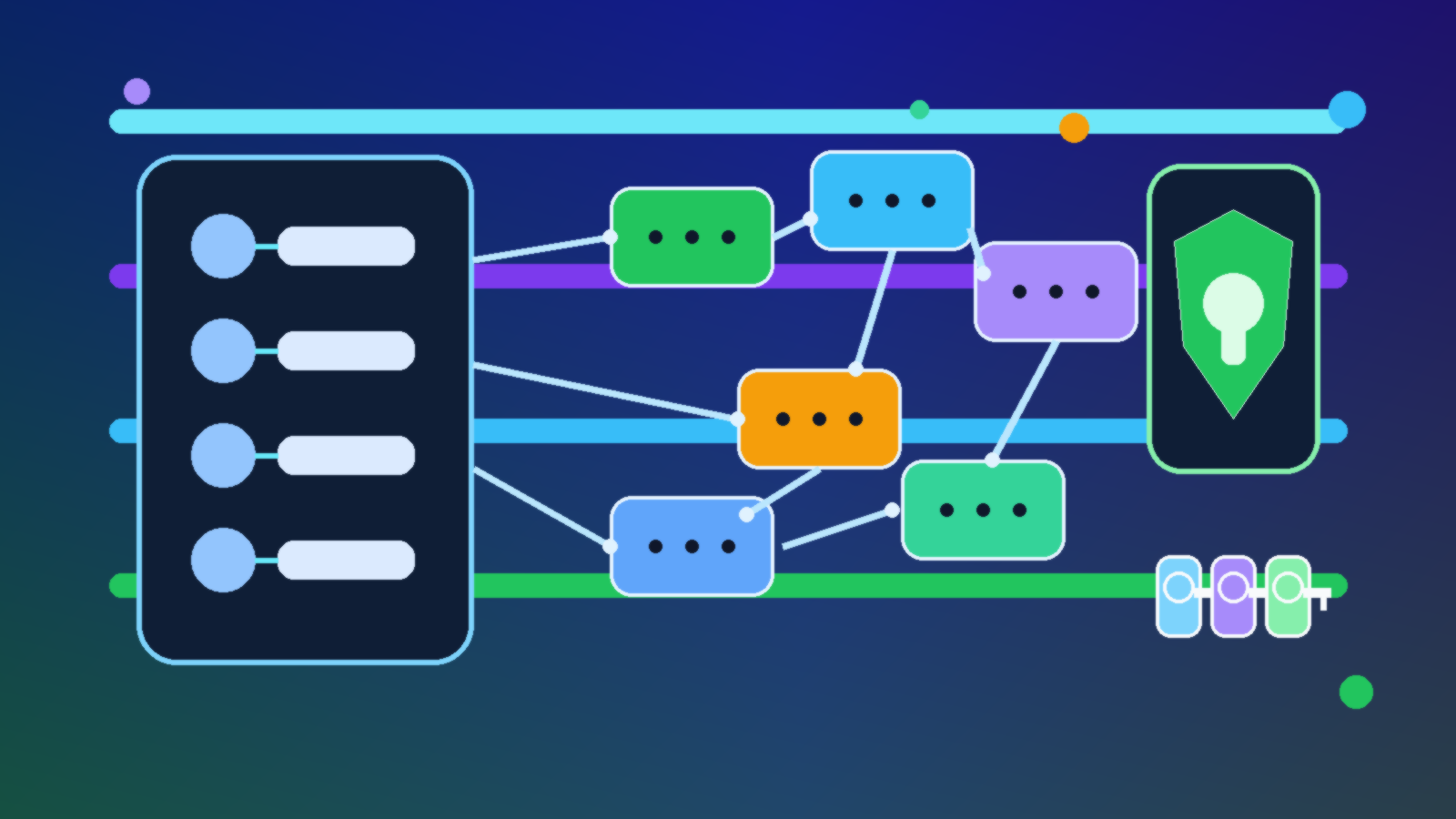
    Abstract illustration of Azure service identities, trust boundaries, and secure machine-to-machine connections

    Service-to-service authentication sounds like an implementation detail until it becomes the reason a small compromise turns into a large one. In Azure, teams often connect apps, functions, automation jobs, and data services under delivery pressure, then promise themselves they will clean up the identity model later. Later usually means a pile of permanent secrets, overpowered service principals, and trust relationships nobody wants to touch.

    The better approach is to design machine identity the same way mature teams design human access: start narrow, avoid permanent standing privilege, and make every trust decision easy to explain. Azure gives teams the building blocks for this, but the outcome still depends on architecture choices, not just feature checkboxes.

    Start With Managed Identity Before You Reach for Secrets

    If an Azure-hosted workload needs to call another Azure service, managed identity should usually be the default starting point. It removes the need to manually create, distribute, rotate, and protect a client secret in the application layer. That matters because most service-to-service failures are not theoretical cryptography problems. They are operational problems caused by credentials that live too long and spread too far.

    Managed identities are also easier to reason about during reviews. A team can inspect which workload owns the identity, which roles it has, and where those roles are assigned. That visibility is much harder to maintain when the environment is stitched together with secret values copied across pipelines, app settings, and documentation pages.

    Treat Role Scope as Part of the Authentication Design

    Authentication and authorization are tightly connected in machine-to-machine flows. A clean token exchange does not help much if the identity behind it has contributor rights across an entire subscription when it only needs to read one queue or write to one storage container. In practice, many teams solve connectivity first and least privilege later, which is how temporary shortcuts become permanent risk.

    Designing this well means scoping roles at the smallest practical boundary, using purpose-built roles when they exist, and resisting the urge to reuse one identity for multiple unrelated services. A shared service principal might look efficient in a diagram, but it makes blast radius, auditability, and future cleanup much worse.

    Avoid Permanent Trust Between Tiers

    One of the easiest traps in Azure is turning every dependency into a standing trust relationship. An API trusts a function app forever. The function app trusts Key Vault forever. A deployment pipeline trusts production resources forever. None of those decisions feel dramatic when they are made one at a time, but together they create a system where compromise in one tier becomes a passport into the next one.

    A healthier pattern is to use workload identity only where the call is genuinely needed, keep permissions resource-specific, and separate runtime access from deployment access. Build pipelines should not automatically inherit the same long-term trust that production workloads use at runtime. Those are different operational contexts and should be modeled as different identities.

    Use Key Vault to Reduce Secret Exposure, Not to Justify More Secrets

    Key Vault is useful, but it is not a license to keep designing around static secrets. Sometimes a secret is still necessary, especially when talking to external systems that do not support stronger identity patterns. Even then, the design goal should be to contain the secret, rotate it, monitor its usage, and avoid replicating it across multiple applications and environments.

    Teams get into trouble when “it is in Key Vault” becomes the end of the conversation. A secret in Key Vault can still be overexposed if too many identities can read it, if access is broader than the workload requires, or if the same credential quietly unlocks multiple systems.

    Make Machine Identity Reviewable by Humans

    Good service-to-service authentication design should survive an audit without needing tribal knowledge. Someone new to the environment should be able to answer a few basic questions: which workload owns this identity, what resources can it reach, why does it need that access, and how would the team revoke or replace it safely? If the answers live only in one engineer’s head, the design is already weaker than it looks.

    This is where naming standards, tagging, role assignment hygiene, and architecture notes matter. They are not paperwork for its own sake. They are what make machine trust understandable enough to maintain over time instead of slowly turning into inherited risk.

    Final Takeaway

    In Azure, service-to-service authentication should be designed to expire cleanly, scale narrowly, and reveal its intent clearly. Managed identity, tight role scope, separated deployment and runtime trust, and disciplined secret handling all push in that direction. The real goal is not just getting one app to talk to another. It is preventing that connection from becoming a permanent, invisible trust path that nobody remembers how to challenge.

  • How to Secure a RAG Pipeline Before It Leaks the Wrong Data

    How to Secure a RAG Pipeline Before It Leaks the Wrong Data

    Retrieval-augmented generation looks harmless in diagrams. A chatbot asks a question, a vector store returns a few useful chunks, and the model answers with fresh context. In production, though, that neat picture turns into a security problem surprisingly fast. The retrieval layer can expose sensitive data, amplify weak permissions, and make it difficult to explain why a model produced a specific answer.

    That does not mean teams should avoid RAG. It means they should treat it like any other data access system. If your application can search internal documents, rank them, and hand them to a model automatically, then you need security controls that are as deliberate as the rest of your platform. Here is a practical way to harden a RAG stack before it becomes a quiet source of data leakage.

    Start by modeling retrieval as data access, not AI magic

    The first mistake many teams make is treating retrieval as a helper feature instead of a privileged data path. A user asks a question, the system searches indexed content, and the model gets direct access to whatever ranked highly enough. That is functionally similar to an application performing a database query on the user’s behalf. The difference is that retrieval systems often hide the access path behind embeddings, chunking, and ranking logic, which can make security gaps less obvious.

    A better mental model is simple: every retrieved chunk is a read operation. Once you see it that way, the right questions become clearer. Which identities are allowed to retrieve which documents? Which labels or repositories should never be searchable together? Which content sources are trusted enough to influence answers? If those questions are unresolved, the RAG system is not ready for broad rollout.

    Apply authorization before ranking, not after generation

    Many security problems appear when teams let the retrieval system search everything first and then try to clean up the answer later. That is backwards. If a document chunk should not be visible to the requesting user, it should not enter the candidate set in the first place. Post-processing after generation is too late, because the model has already seen the information and may blend it into the response in ways that filters do not reliably catch.

    In practice, this means access control has to sit next to indexing and retrieval. Index documents with clear ownership, sensitivity labels, and source metadata. At query time, resolve the caller’s identity and permitted scopes first, then search only within that allowed slice. Relevance ranking should help choose the best authorized content, not decide whether authorization matters.

    • Attach document-level and chunk-level source metadata during indexing.
    • Filter by tenant, team, repository, or classification before semantic search runs.
    • Log the final retrieved chunk IDs so later reviews can explain what the model actually saw.

    Keep your chunking strategy from becoming a leakage strategy

    Chunking is often discussed as a quality optimization, but it is also a security decision. Large chunks may drag unrelated confidential details into the prompt. Tiny chunks can strip away context and cause the model to make confident but misleading claims. Overlapping chunks can duplicate sensitive material across multiple retrieval results and widen the blast radius of a single mistake.

    Good chunking balances answer quality with exposure control. Teams should split content along meaningful boundaries such as headings, procedures, sections, and access labels rather than arbitrary token counts alone. If a document contains both public guidance and restricted operational details, those sections should not be indexed as if they belong to the same trust zone. The cleanest answer quality gains often come from cleaner document structure, not just more aggressive embedding tricks.

    Treat source trust as a first-class ranking signal

    RAG systems can be manipulated by poor source hygiene just as easily as they can be damaged by weak permissions. Old runbooks, duplicate wiki pages, copied snippets, and user-generated notes can all compete with well-maintained reference documents. If the ranking layer does not account for trust, the model may answer from the loudest source rather than the most reliable one.

    That is why retrieval pipelines should score more than semantic similarity. Recency, ownership, approval status, and system-of-record status all matter. An approved knowledge-base article should outrank a stale chat export, even if both mention the same keywords. Without those controls, a RAG assistant can become a polished way to operationalize bad documentation.

    Build an audit trail that humans can actually use

    When a security review or incident happens, teams need to answer basic questions quickly: who asked, what was retrieved, what context reached the model, and what answer was returned. Too many RAG implementations keep partial logs that are useful for debugging relevance scores but weak for security investigations. That creates a familiar problem: the system feels advanced until someone asks for evidence.

    A useful audit trail should capture the request identity, the retrieval filters applied, the top candidate chunks, the final chunks sent to the model, and the generated response. It should also preserve document versions or content hashes when possible, because the source material may change later. That level of logging helps teams investigate leakage concerns, tune permissions, and explain model behavior without relying on guesswork.

    Use staged rollout and adversarial testing before broad access

    RAG security should be validated the same way other risky features are validated: gradually and with skepticism. Start with low-risk content, a small user group, and sharply defined access scopes. Then test the system with prompts designed to cross boundaries, such as requests for secrets, policy exceptions, hidden instructions, or blended summaries across restricted sources. If the system fails gracefully in those cases, you can widen access with more confidence.

    Adversarial testing is especially important because many failure modes do not look like classic security bugs. The model might not quote a secret directly, yet still reveal enough context to expose internal projects or operational weaknesses. It might cite an allowed source while quietly relying on an unauthorized chunk earlier in the ranking path. These are exactly the sorts of issues that only show up when teams test like defenders instead of demo builders.

    The best RAG security plans are boring on purpose

    The strongest RAG systems do not depend on a single clever filter or a dramatic model instruction. They rely on ordinary engineering discipline: strong identity handling, scoped retrieval, clear content ownership, auditability, and steady source maintenance. That may sound less exciting than the latest orchestration pattern, but it is what keeps useful AI systems from becoming avoidable governance problems.

    If your team is building retrieval into a product, internal assistant, or knowledge workflow, the goal is not perfect theoretical safety. The goal is to make sure the system only sees what it should see, ranks what it can trust, and leaves enough evidence behind for humans to review. That is how you make RAG practical without making it reckless.

  • Why AI Tool Permissions Should Expire by Default

    Why AI Tool Permissions Should Expire by Default

    Teams love the idea of AI assistants that can actually do things. Reading docs is fine, but the real value shows up when an agent can open tickets, query dashboards, restart services, approve pull requests, or push changes into a cloud environment. The problem is that many organizations wire up those capabilities once and then leave them on forever.

    That decision feels efficient in the short term, but it quietly creates a trust problem. A permission that made sense during a one-hour task can become a long-term liability when the model changes, the workflow evolves, or the original owner forgets the connection even exists. Expiring tool permissions by default is one of the simplest ways to keep AI systems useful without pretending they deserve permanent reach.

    Permanent Access Turns Small Experiments Into Big Risk

    Most AI tool integrations start as experiments. A team wants the assistant to read a wiki, then maybe to create draft Jira tickets, then perhaps to call a deployment API in staging. Each step sounds modest on its own. The trouble begins when these small exceptions pile up into a standing access model that nobody formally designed.

    At that point, the environment becomes harder to reason about. Security teams are not just managing human admins anymore. They are also managing connectors, service accounts, browser automations, and delegated actions that may still work months after the original use case has faded.

    Time Limits Create Better Operational Habits

    When permissions expire by default, teams are forced to be more honest about what the AI system needs right now. Instead of granting broad, durable access because it might be useful later, they grant access for a defined job, a limited period, and a known environment. That nudges design conversations in a healthier direction.

    It also reduces stale access. If an agent needs elevated rights again next week, that renewal becomes a deliberate checkpoint. Someone can confirm the workflow still exists, the target system still matches expectations, and the controls around logging and review are still in place.

    Least Privilege Works Better When It Also Expires

    Least privilege is often treated like a scope problem: give only the minimum actions required. That matters, but duration matters too. A narrow permission that never expires can still become dangerous if it survives long past the moment it was justified.

    The safer pattern is to combine both limits. Let the agent access only the specific tool, dataset, or action it needs, and let that access vanish unless somebody intentionally renews it. Scope without time limits is only half of a governance model.

    Short-Lived Permissions Improve Incident Response

    When something goes wrong in an AI workflow, one of the first questions is whether the agent can still act. If permissions are long-lived, responders have to search across service accounts, API tokens, plugin definitions, and orchestration layers to figure out what is still active. That slows down containment and creates doubt during the exact moment when teams need clarity.

    Expiring permissions shrink that search space. Even if a team has not perfectly cataloged every connector, many of yesterday’s grants will already be gone. That is not a substitute for good inventory or logging, but it is a real advantage when pressure is high.

    Approval Does Not Need To Mean Friction Everywhere

    One common objection is that expiring permissions will make AI tools annoying. That can happen if the approval model is clumsy. The answer is not permanent access. The answer is better approval design.

    Teams can predefine safe permission bundles for common tasks, such as reading a specific knowledge base, opening low-risk tickets, or running diagnostic queries in non-production environments. Those bundles can still expire automatically while remaining easy to reissue when the context is appropriate. The goal is repeatable control, not bureaucratic theater.

    What Good Default Expiration Looks Like

    A practical policy usually includes a few simple rules. High-impact actions should get the shortest lifetimes. Production access should expire faster than staging access. Human review should be tied to renewals for sensitive capabilities. Logs should capture who enabled the permission, for which agent, against which system, and for how long.

    None of this requires a futuristic control plane. It requires discipline. Even a modest setup can improve quickly if teams stop treating AI permissions like one-time plumbing and start treating them like time-bound operating decisions.

    Final Takeaway

    AI systems do not become trustworthy because they are helpful. They become more trustworthy when their reach is easy to understand, easy to limit, and easy to revoke. Expiring tool permissions by default supports all three goals.

    If an agent truly needs recurring access, the renewal history will show it. If it does not, the permission should fade away on its own instead of waiting quietly for the wrong day to matter.

  • How to Set AI Data Boundaries Before Your Team Builds the Wrong Thing

    How to Set AI Data Boundaries Before Your Team Builds the Wrong Thing

    AI projects rarely become risky because a team wakes up one morning and decides to ignore common sense. Most problems start much earlier, when people move quickly with unclear assumptions about what data they can use, where it can go, and what the model is allowed to retain. By the time governance notices, the prototype already exists and nobody wants to slow it down.

    That is why data boundaries matter so much. They turn vague caution into operational rules that product managers, developers, analysts, and security teams can actually follow. If those rules are missing, even a well-intentioned AI effort can drift into risky prompt logs, accidental data exposure, or shadow integrations that were never reviewed properly.

    Start With Data Classes, Not Model Hype

    Teams often begin with model selection, vendor demos, and potential use cases. That sequence feels natural, but it is backwards. The first question should be what kinds of data the use case needs: public content, internal business information, customer records, regulated data, source code, financial data, or something else entirely.

    Once those classes are defined, governance stops being abstract. A team can see immediately whether a proposed workflow belongs in a low-risk sandbox, a tightly controlled enterprise environment, or nowhere at all. That clarity prevents expensive rework because the project is shaped around reality instead of optimism.

    Define Three Buckets People Can Remember

    Many organizations make data policy too complicated for daily use. A practical approach is to create three working buckets: allowed, restricted, and prohibited. Allowed data can be used in approved AI tools under normal controls. Restricted data may require a specific vendor, logging settings, human review, or an isolated environment. Prohibited data stays out of the workflow entirely until policy changes.

    This model is not perfect, but it is memorable. That matters because governance fails when policy only lives inside long documents nobody reads during a real project. Simple buckets give teams a fast decision aid before a prototype becomes a production dependency.

    • Allowed: low-risk internal knowledge, public documentation, or synthetic test content in approved tools.
    • Restricted: customer data, source code, financial records, or sensitive business context that needs stronger controls.
    • Prohibited: data that creates legal, contractual, or security exposure if placed into the current workflow.

    Attach Boundaries to Real Workflows

    Policy becomes useful when it maps to the tasks people are already trying to do. Summarizing meeting notes, drafting support replies, searching internal knowledge, reviewing code, and extracting details from contracts all involve different data paths. If the organization publishes only general statements about “using AI responsibly,” employees will interpret the rules differently and fill gaps with guesswork.

    A better pattern is to publish approved workflow examples. Show which tools are allowed for document drafting, which environments can touch source code, which data requires redaction first, and which use cases need legal or security review. Good examples reduce both accidental misuse and unnecessary fear.

    Decide What Happens to Prompts, Outputs, and Logs

    AI data boundaries are not only about the original input. Teams also need to know what happens to prompts, outputs, telemetry, feedback thumbs, and conversation history. A tool may look safe on the surface while quietly retaining logs in a place that violates policy or creates discovery problems later.

    This is where governance teams need to be blunt. If a vendor stores prompts by default, say so. If retention can be disabled only in an enterprise tier, document that requirement. If outputs can be copied into downstream systems, include those systems in the review. Boundaries should follow the whole data path, not just the first upload.

    Make the Safe Path Faster Than the Unsafe Path

    Employees route around controls when the approved route feels slow, confusing, or unavailable. If the company wants people to avoid consumer tools for sensitive work, it needs to provide an approved alternative that is easy to access and documented well enough to use without a scavenger hunt.

    That means governance is partly a product problem. The secure option should come with clear onboarding, known use cases, and decision support for edge cases. When the safe path is fast, most people will take it. When it is painful, shadow AI becomes the default.

    Review Boundary Decisions Before Scale Hides the Mistakes

    Data boundaries should be reviewed early, then revisited when a pilot grows into a real business process. A prototype that handles internal notes today may be asked to process customer messages next quarter. That change sounds incremental, but it can move the workflow into a completely different risk category.

    Good governance teams expect that drift and check for it on purpose. They do not assume the original boundary decision stays valid forever. A lightweight review at each expansion point is far cheaper than discovering later that an approved experiment quietly became an unapproved production system.

    Final Takeaway

    AI teams move fast when the boundaries are clear and trustworthy. They move recklessly when the rules are vague, buried, or missing. If you want better AI outcomes, do not start with slogans about innovation. Start by defining what data is allowed, what data is restricted, and what data is off limits before anyone builds the wrong thing around the wrong assumptions.

    That one step will not solve every governance problem, but it will prevent a surprising number of avoidable ones.

  • How to Govern AI Browser Agents Before They Touch Production

    How to Govern AI Browser Agents Before They Touch Production

    AI browser agents are moving from demos into real operational work. Teams are asking them to update records, click through portals, collect evidence, and even take action across SaaS tools that were built for humans. The upside is obvious: agents can remove repetitive work and connect systems that still do not have clean APIs. The downside is just as obvious once you think about it for more than five minutes. A browser agent with broad access can create the same kind of mess as an overprivileged intern, only much faster and at machine scale.

    If you want agents touching production systems, governance cannot be a slide deck or a policy PDF nobody reads. It has to show up in how you grant access, how tasks are approved, how actions are logged, and how failures are contained. The goal is not to make agents useless. The goal is to make them safe enough to trust with bounded work.

    Start With Task Boundaries, Not Model Hype

    The first control is deciding what the agent is actually allowed to do. Many teams start by asking whether the model is smart enough. That is the wrong first question. A smarter model does not solve weak guardrails. Start with a narrow task definition instead: which application, which workflow, which pages, which fields, which users, and which outputs are in scope. If you cannot describe the task clearly enough for a human reviewer to understand it, you are not ready to automate it with an agent.

    Good governance turns a vague instruction like “manage our customer portal” into a bounded instruction like “collect invoice status from these approved accounts and write the results into this staging table.” That kind of scoping reduces both accidental damage and the blast radius of a bad prompt, a hallucinated plan, or a compromised credential.

    Give Agents the Least Privilege They Can Actually Use

    Browser agents should not inherit a human administrator account just because it is convenient. Give them dedicated identities with only the permissions they need for the exact workflow they perform. If the task is read-only, keep it read-only. If the task needs writes, constrain those writes to a specific system, business unit, or record set whenever the application allows it.

    • Use separate service identities for different workflows rather than one all-purpose agent account.
    • Apply MFA-resistant session handling where possible, especially for privileged portals.
    • Restrict login locations, session duration, and accessible applications.
    • Rotate credentials on a schedule and immediately after suspicious behavior.

    This is not glamorous work, but it matters more than prompt tuning. Most real-world agent risk comes from access design, not from abstract model behavior.

    Build Human Approval Into High-Risk Actions

    There is a big difference between gathering information and making a production change. Governance should reflect that difference. Let the agent read broadly enough to prepare a recommendation, but require explicit approval before actions that create external impact: submitting orders, changing entitlements, editing finance records, sending messages to customers, or deleting data.

    A practical pattern is a staged workflow. In stage one, the agent navigates, validates inputs, and prepares a proposed action with screenshots or structured evidence. In stage two, a human approves or rejects the action. In stage three, the agent executes only the approved step and records what happened. That is slower than full autonomy, but it is usually the right tradeoff until you have enough evidence to trust the workflow more deeply.

    Make Observability a Product Requirement

    If an agent cannot explain what it touched, when it touched it, and why it made a decision, you do not have a production-ready system. You have a mystery box with credentials. Every meaningful run should leave behind an audit trail that maps prompt, plan, accessed applications, key page transitions, extracted data, approvals, and final actions. Screenshots, DOM snapshots, request logs, and structured event records all help here.

    The point of observability is not just post-incident forensics. It also improves operations. You can see where agents stall, where sites change, which controls generate false positives, and which tasks are too brittle to keep in production. That feedback loop is what separates a flashy proof of concept from a governable system.

    Design for Failure Before the First Incident

    Production agents will fail. Pages will change. Modals will appear unexpectedly. Sessions will expire. A model will occasionally misread context and aim at the wrong control. Governance needs failure handling that assumes these things will happen. Safe defaults matter: if confidence drops, if the page state is unexpected, or if validation does not match policy, the run should stop and escalate rather than improvise.

    Containment matters too. Use sandboxes, approval queues, reversible actions where possible, and strong alerting for abnormal behavior. Do not wait until the first bad run to decide who gets paged, what evidence is preserved, or how credentials are revoked.

    Treat Browser Agents Like a New Identity and Access Problem

    A lot of governance conversations around AI get stuck in abstract debates about model ethics. Those questions matter, but browser agents force a more immediate and practical conversation. They are acting inside real user interfaces with real business consequences. That makes them as much an identity, access, and operational control problem as an AI problem.

    The strongest teams are the ones that connect AI governance with existing security disciplines: least privilege, change control, environment separation, logging, approvals, and incident response. If your browser agent program is managed like an experimental side project instead of a production control surface, you are creating avoidable risk.

    The Bottom Line

    AI browser agents can be genuinely useful in production, especially where legacy systems and manual portals slow down teams. But the win does not come from turning them loose. It comes from deciding where they are useful, constraining what they can do, requiring approval when the stakes are high, and making every important action observable. That is what good governance looks like when agents stop being a lab experiment and start touching the real business.

  • How to Compare Azure Firewall, NSGs, and WAF Without Buying the Wrong Control

    How to Compare Azure Firewall, NSGs, and WAF Without Buying the Wrong Control

    Azure gives teams several ways to control traffic, and that is exactly why people mix them up. Network security groups, Azure Firewall, and web application firewall all inspect or filter traffic, but they solve different problems at different layers. When teams treat them like interchangeable checkboxes, they usually spend too much money in one area and leave obvious gaps in another.

    The better way to think about the choice is simple: start with the attack surface you are trying to control, then match the control to that layer. NSGs are the lightweight traffic guardrails around subnets and NICs. Azure Firewall is the central policy enforcement point for broader network flows. WAF is the application-aware filter that protects HTTP and HTTPS traffic from web-specific attacks. Once you separate those jobs, the architecture decisions become much clearer.

    Start with the traffic layer, not the product name

    A lot of confusion comes from people shopping by product name instead of by control plane. NSGs work at layers 3 and 4. They are rule-based allow and deny lists for source, destination, port, and protocol. That makes them a practical fit for segmenting subnets, limiting east-west movement, and enforcing basic inbound or outbound restrictions close to the workload.

    Azure Firewall also operates primarily at the network and transport layers, but with much broader scope and centralization. It is designed to be a shared enforcement point for multiple networks, with features like application rules, DNAT, threat intelligence filtering, and richer logging. If the question is how to standardize egress control, centralize policy, or reduce the sprawl of custom rules across many teams, Azure Firewall belongs in that conversation.

    WAF sits higher in the stack. It is for HTTP and HTTPS workloads that need protection from application-layer threats such as SQL injection, cross-site scripting, or malformed request patterns. If your exposure is a web app behind Application Gateway or Front Door, WAF is the control that understands URLs, headers, cookies, and request signatures. NSGs and Azure Firewall are still useful nearby, but they do not replace what WAF is built to inspect.

    Where NSGs are the right answer

    NSGs are often underrated because they are not flashy. In practice, they are the default building block for network segmentation in Azure, and they should be present in almost every environment. They are fast to deploy, inexpensive compared with managed perimeter services, and easy to reason about when your goal is straightforward traffic scoping.

    They are especially useful when you want to limit which subnets can talk to each other, restrict management ports, or block accidental exposure from a workload that should never be public in the first place. In many smaller deployments, teams can solve a surprising amount of risk with disciplined NSG design before they need a more centralized firewall strategy.

    • Use NSGs to segment application, database, and management subnets.
    • Use NSGs to tightly limit administrative access paths.
    • Use NSGs when a workload needs simple, local traffic rules without a full central inspection layer.

    The catch is that NSGs do not give you the same operational model as a centralized firewall. Large environments end up with rule drift, duplicated logic, and inconsistent ownership if every team manages them in isolation. That is not a flaw in the product so much as a reminder that local controls eventually need central governance.

    Where Azure Firewall earns its keep

    Azure Firewall starts to make sense when you need one place to define and observe policy across many spokes, subscriptions, or application teams. It is a better fit for enterprises that care about consistent outbound control, approved destinations, network logging, and shared policy administration. Instead of embedding the full security model inside dozens of NSG collections, teams can route traffic through a managed control point and apply standards there.

    This is also where cost conversations become more honest. Azure Firewall is not the cheapest option for a simple workload, and it should not be deployed just to look more mature. Its value shows up when central policy, logging, and scale reduce operational mess. If the environment is tiny and static, it may be overkill. If the environment is growing, multi-team, or audit-sensitive, it can save more in governance pain than it costs in service spend.

    One common mistake is expecting Azure Firewall to be the web protection layer as well. It can filter and control application destinations, but it is not a substitute for a WAF on customer-facing web traffic. That is the wrong tool boundary, and teams discover it the hard way when they need request-level protections later.

    Where WAF belongs in the design

    WAF belongs wherever a public web application needs to defend against application-layer abuse. That includes websites, portals, APIs, and other HTTP-based endpoints where malicious payloads matter as much as open ports. A WAF can enforce managed rule sets, detect known attack patterns, and give teams a safer front door for internet-facing apps.

    That does not mean WAF is only about blocking attackers. It is also about reducing the burden on the application team. Developers should not have to rebuild every generic web defense inside each app when a platform control can filter a wide class of bad requests earlier in the path. Used well, WAF lets the application focus on business logic while the platform handles known web attack patterns.

    The boundary matters here too. WAF is not your network segmentation control, and it is not your broad egress governance layer. Teams get the best results when they place it in front of web workloads while still using NSGs and, where appropriate, Azure Firewall behind the scenes.

    A practical decision model for real environments

    Most real Azure environments do not choose just one of these controls. They combine them. A sensible baseline is NSGs for segmentation, WAF for public web applications, and Azure Firewall when the organization needs centralized routing and policy enforcement. That layered model maps well to how attacks actually move through an environment.

    If you are deciding what to implement first, prioritize the biggest risk and the most obvious gap. If subnets are overly open, fix NSGs. If web apps are public without request inspection, add WAF. If every team is reinventing egress and network policy in a slightly different way, centralize with Azure Firewall. Security architecture gets cleaner when you solve the right problem first instead of buying the product with the most enterprise-sounding name.

    The shortest honest answer

    If you want the shortest version, it is this: use NSGs to control local network access, use Azure Firewall to centralize broader network policy, and use WAF to protect web applications from application-layer attacks. None of them is the whole answer alone. The right design is usually the combination that matches your traffic paths, governance model, and exposure to the internet.

    That is a much better starting point than asking which one is best. In Azure networking, the better question is which layer you are actually trying to protect.

  • What Good AI Agent Governance Looks Like in Practice

    What Good AI Agent Governance Looks Like in Practice

    AI agents are moving from demos into real business workflows. That shift changes the conversation. The question is no longer whether a team can connect an agent to internal tools, cloud platforms, or ticketing systems. The real question is whether the organization can control what that agent is allowed to do, understand what it actually did, and stop it quickly when it drifts outside its intended lane.

    Good AI agent governance is not about slowing everything down with paperwork. It is about making sure automation stays useful, predictable, and safe. In practice, the best governance models look less like theoretical policy decks and more like a set of boring but reliable operational controls.

    Start With a Narrow Action Boundary

    The first mistake many teams make is giving an agent broad access because it might be helpful later. That is backwards. An agent should begin with a sharply defined job and the minimum set of permissions needed to complete that job. If it summarizes support tickets, it does not also need rights to close accounts. If it drafts infrastructure changes, it does not also need permission to apply them automatically.

    Narrow action boundaries reduce blast radius. They also make testing easier because teams can evaluate one workflow at a time instead of trying to reason about a loosely controlled digital employee with unclear privileges. Restriction at the start is not a sign of distrust. It is a sign of decent engineering.

    Separate Read Access From Write Access

    Many agent use cases create value before they ever need to change anything. Reading dashboards, searching documentation, classifying emails, or assembling reports can deliver measurable savings without granting the power to modify systems. That is why strong governance separates observation from execution.

    When write access is necessary, it should be specific and traceable. Approving a purchase order, restarting a service, or updating a customer record should happen through a constrained interface with known rules. This is far safer than giving a generic API token and hoping the prompt keeps the agent disciplined.

    Put Human Approval in Front of High-Risk Actions

    There is a big difference between asking an agent to prepare a recommendation and asking it to execute a decision. High-risk actions should pass through an approval checkpoint, especially when money, access, customer data, or public communication is involved. The agent can gather context, propose the next step, and package the evidence, but a person should still confirm the action when the downside is meaningful.

    • Infrastructure changes that affect production systems
    • Messages sent to customers, partners, or the public
    • Financial transactions or purchasing actions
    • Permission grants, credential rotation, or identity changes

    Approval gates are not a sign that the system failed. They are part of the system. Mature automation does not remove judgment from important decisions. It routes judgment to the moments where it matters most.

    Make Audit Trails Non-Negotiable

    If an agent touches a business workflow, it needs logs that a human can follow. Those logs should show what context the agent received, what tool or system it called, what action it attempted, whether the action succeeded, and who approved it if approval was required. Without that trail, incident response turns into guesswork.

    Auditability also improves adoption. Security teams trust systems they can inspect. Operations teams trust systems they can replay. Leadership trusts systems that produce evidence instead of vague promises. An agent that cannot explain itself operationally will eventually become a political problem, even if it works most of the time.

    Add Budget and Usage Guardrails Early

    Cost governance is easy to postpone because the first pilot usually looks cheap. The trouble starts when a successful pilot becomes a habit and that habit spreads across teams. Good AI agent governance includes clear token budgets, API usage caps, concurrency limits, and alerts for unusual spikes. The goal is to avoid the familiar pattern where a clever internal tool quietly becomes a permanent spending surprise.

    Usage guardrails also create better engineering behavior. When teams know there is a budget, they optimize prompts, trim unnecessary context, and choose lower-cost models for low-risk tasks. Governance is not just defensive. It often produces a better product.

    Treat Prompts, Policies, and Connectors as Versioned Assets

    Many organizations still treat agent behavior as something informal and flexible, but that mindset does not scale. Prompt instructions, escalation rules, tool permissions, and system connectors should all be versioned like application code. If a change makes an agent more aggressive, expands its tool access, or alters its approval rules, that change should be reviewable and reversible.

    This matters for both reliability and accountability. When an incident happens, teams need to know whether the problem came from a model issue, a prompt change, a connector bug, or a permissions expansion. Versioned assets give investigators something concrete to compare.

    Plan for Fast Containment, Not Perfect Prevention

    No governance framework will eliminate every mistake. Models can still hallucinate, tools can still misbehave, and integrations can still break in confusing ways. That is why good governance includes a fast containment model: kill switches, credential revocation paths, disabled connectors, rate limiting, and rollback procedures that do not depend on improvisation.

    The healthiest teams design for graceful failure. They assume something surprising will happen eventually and build the controls that keep a weird moment from becoming a major outage or a trust-damaging incident.

    Governance Should Make Adoption Easier

    Teams resist governance when it feels like a vague set of objections. They accept governance when it gives them a clean path to deployment. A practical standard might say that read-only workflows can launch with documented logs, while write-enabled workflows need explicit approval gates and named owners. That kind of framework helps delivery teams move faster because the rules are understandable.

    In other words, good AI agent governance should function like a paved road, not a barricade. The best outcome is not a perfect policy document. It is a repeatable way to ship useful automation without leaving security, finance, and operations to clean up the mess later.

  • Security Posture Scorecards: What Leaders Should Actually Measure in 2026

    Security Posture Scorecards: What Leaders Should Actually Measure in 2026

    Security scorecards can be helpful, but many of them still emphasize whatever is easy to count rather than what actually reduces risk. In 2026, strong teams are moving away from vanity metrics and toward measures that reflect real operational posture.

    Measure Response Readiness, Not Just Control Coverage

    It is useful to know how many controls are enabled, but leaders also need to know how quickly the team can detect, triage, and respond when something goes wrong. A control that exists on paper but does not improve response outcomes can create false confidence.

    That is why response readiness should be visible in the scorecard alongside preventive controls.

    Track Identity Risk in Practical Terms

    Identity remains one of the most important parts of modern security posture. Instead of only counting users with MFA enabled, teams should also track stale privileged accounts, unreviewed service identities, and broad role assignments that survive longer than they should.

    Those metrics point more directly at the places where real incidents often start.

    Include Exception Debt

    Security exceptions pile up quietly. Temporary rule changes, policy bypasses, and one-off approvals often remain in place far beyond their intended life. A useful scorecard should show how many exceptions exist, how old they are, and whether they still have a justified owner.

    Exception debt is one of the clearest signs that posture may be weaker than leadership assumes.

    Use Trends, Not Isolated Snapshots

    A single monthly score can hide more than it reveals. Teams should look at direction over time: are privileged accounts being reduced, is patch lag improving, are unresolved high-risk findings shrinking, and are incident response times getting faster?

    Trend lines tell a more honest story than one polished status number.

    Final Takeaway

    The best security scorecards in 2026 are not designed to look impressive in a meeting. They are designed to help leaders see whether risk is actually going down and where the team needs to act next.