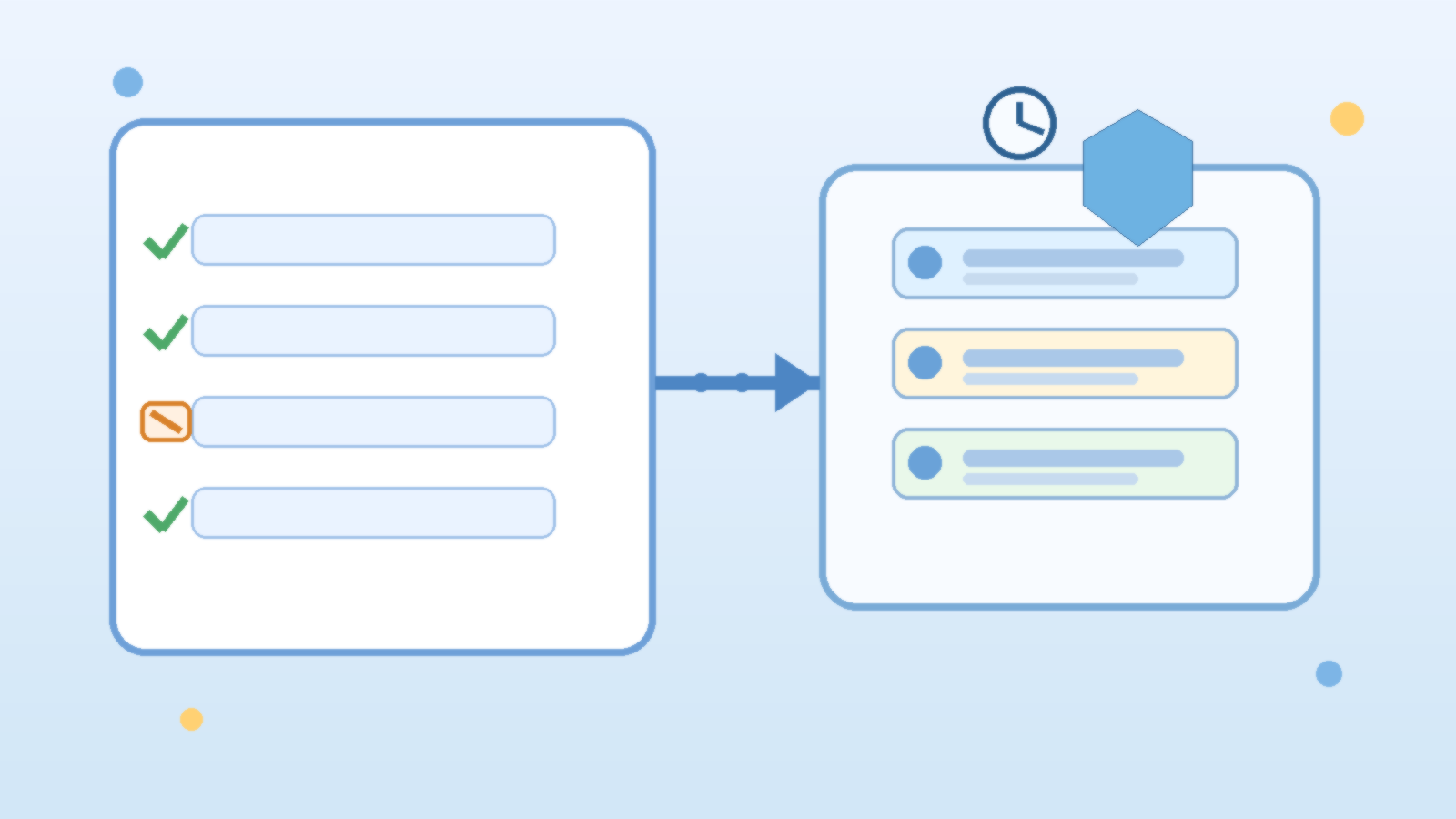
Azure Policy is one of the cleanest ways to keep AI platform standards from drifting across subscriptions, resource groups, and experiments. The trouble starts when delivery pressure collides with those standards. A team needs to test a model deployment, wire up networking differently, or get around a policy conflict for one sprint, and suddenly the word exemption starts sounding like a productivity feature instead of a risk decision.
That is where mature teams separate healthy flexibility from policy theater. Exemptions are not a failure of governance. They are a governance mechanism. The problem is not that exemptions exist. The problem is when they are created without scope, without evidence, and without a path back to compliance.
Exemptions Should Explain Why the Policy Is Not Being Met Yet
A useful exemption starts with a precise reason. Maybe a vendor dependency has not caught up with private networking requirements. Maybe an internal AI sandbox needs a temporary resource shape that conflicts with the normal landing zone baseline. Maybe an engineering team is migrating from one pattern to another and needs a narrow bridge period. Those are all understandable situations.
What does not age well is a vague exemption that effectively says, “we needed this to work.” If the request cannot clearly explain the delivery blocker, the affected control, and the expected end state, it is not ready. Teams should have to articulate why the policy is temporarily impractical, not merely inconvenient.
Scope the Exception Smaller Than the Team First Wants
The easiest way to make exemptions dangerous is to grant them at a broad scope. A subscription-wide exemption for one AI prototype often becomes a quiet permission slip for unrelated workloads later. Strong governance teams default to the smallest scope that solves the real problem, whether that is one resource group, one policy assignment, or one short-lived deployment path.
This matters even more for AI environments because platform patterns spread quickly. If one permissive exemption sits in the wrong place, future projects may inherit it by accident and call that reuse. Tight scoping keeps an unusual decision from becoming a silent architecture standard.
Every Exemption Needs an Owner and an Expiration Date
An exemption without an owner is just deferred accountability. Someone specific should be responsible for the risk, the follow-up work, and the retirement plan. That owner does not have to be the person clicking approve in Azure, but it should be the person who can drive remediation when the temporary state needs to end.
Expiration matters for the same reason. A surprising number of “temporary” governance decisions stay alive because nobody created the forcing function to revisit them. If the exemption is still needed later, it can be renewed with updated evidence. What should not happen is an open-ended exception drifting into permanent policy decay.
Document the Compensating Controls, Not Just the Deviation
A good exemption request does more than identify the broken rule. It explains what will reduce risk while the rule is not being met. If an AI workload cannot use the preferred network control yet, perhaps access is restricted through another boundary. If a logging standard cannot be implemented immediately, perhaps the team adds manual review, temporary alerting, or narrower exposure until the full control lands.
This is where governance becomes practical instead of theatrical. Leaders do not need a perfect environment on day one. They need evidence that the team understands the tradeoff and has chosen deliberate safeguards while the gap exists.
Review Exemptions as a Portfolio, Not One Ticket at a Time
Individual exemptions can look reasonable in isolation while creating a weak platform in aggregate. One allows broad outbound access, another delays tagging, another bypasses a deployment rule, and another weakens log retention. Each request sounds manageable. Together they can tell you that a supposedly governed AI platform is running mostly on exceptions.
That is why a periodic exemption review matters. Security, platform, and cloud governance leads should look for clusters, aging exceptions, repeat patterns, and teams that keep hitting the same friction point. Sometimes the answer is to retire the exemption. Sometimes the answer is to improve the policy design because the platform standard is clearly out of sync with real work.
Final Takeaway
Azure Policy exemptions are not the enemy of governance. Unbounded exemptions are. When an exception is narrow, time-limited, owned, and backed by compensating controls, it helps serious teams ship without pretending standards are frictionless. When it is broad, vague, and forgotten, it turns guardrails into suggestions.
The right goal is not “no exemptions ever.” The goal is making every exemption look temporary on purpose and defensible under review.
Leave a Reply