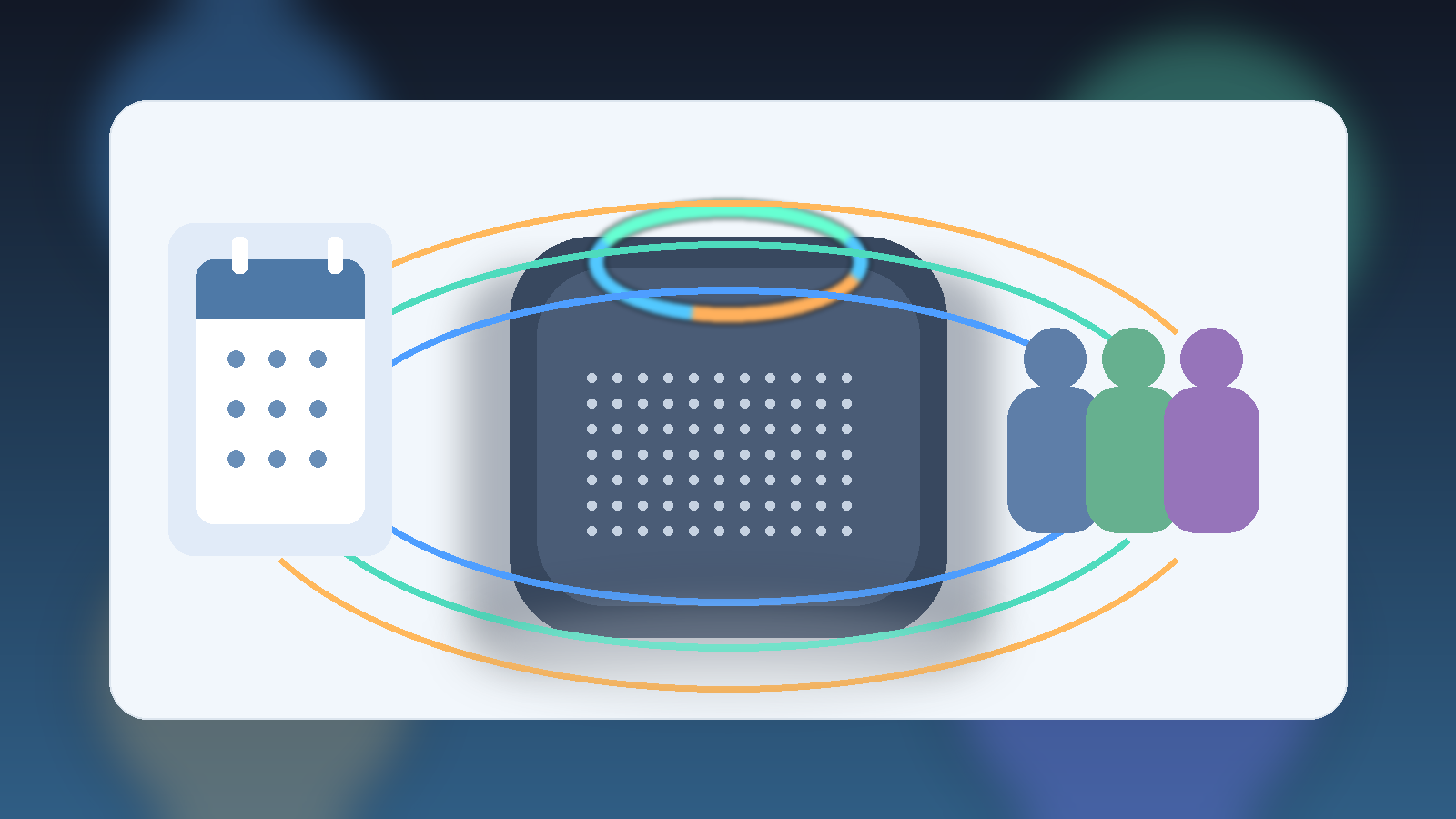
A shared smart speaker can be one of the handiest pieces of family tech in the house. It can read the weather while breakfast is happening, add groceries before someone forgets, and put a reminder in front of everybody at the right moment. The trouble starts when the speaker treats every voice like the same person. That is when one family member hears another person’s calendar, messages, shopping list, or music recommendations.
Separate voice profiles are not just a nice personalization feature. In a house with multiple people, they are a practical boundary. They help the speaker answer the right person, limit accidental purchases, and reduce the weird feeling that a device in the kitchen knows too much about everyone at once.
Convenience turns into confusion surprisingly fast
Most families set up a smart speaker in a hurry. Someone plugs it in, connects Wi-Fi, links one account, and starts using it. That works for the first few minutes because basic questions are the same for everyone. Then daily life shows up. One person asks about tomorrow’s first appointment, another person wants a reminder, and a child asks the speaker to play something that reshapes the whole recommendation history.
Without separate voice profiles, the device often defaults to the household account that was used during setup. That means personal information can leak in small ways even if nothing dramatic happens. A spouse may hear the wrong commute time. A teenager might trigger the family shopping account. Guests can stumble into responses that were never meant for them. None of that feels like a breach in the cinematic sense, but it is exactly the kind of low-grade privacy mess that makes people stop trusting the device.
Calendar and messaging mistakes are the real warning sign
The most obvious risk is not usually a hacked speaker. It is a badly configured one. Smart speakers become far more sensitive when they are connected to calendars, reminders, contacts, shopping lists, or messaging services. If the assistant cannot reliably tell who is speaking, it may answer with the wrong person’s information simply because the device is trying to be helpful.
That is why families should treat a smart speaker more like a shared computer and less like a harmless kitchen radio. The second it can read private events, place orders, or interact with personal accounts, identity matters. A separate voice profile is the quickest way to reduce mistaken responses without giving up the convenience that made the speaker appealing in the first place.
Voice profiles also reduce accidental buying and account crossover
Many households do not realize how much account authority their speaker has until something odd appears on the doorstep or in a purchase history. Even when purchase confirmations exist, the root problem is often that the device is acting through a single family member’s account. Separate voice recognition will not solve every purchasing issue on its own, but it makes it easier to pair the right person with the right permissions.
This is also where family rules matter. Kids should know whether the speaker is allowed to order anything. Adults should know which services are linked and whether voice purchasing is disabled, PIN-protected, or restricted to one profile. If the answer is “I’m not sure,” that is already a sign the setup needs attention.
- Review which shopping or payment services are connected to the speaker.
- Disable voice purchasing entirely if the household does not truly need it.
- Use a confirmation PIN or equivalent safeguard when the platform supports it.
- Check whether children’s voices are being recognized as generic adult requests.
A short setup review is usually enough
The good news is that this is rarely a major project. For most homes, a useful cleanup can happen in fifteen minutes. Open the speaker app, look for household members, confirm who has a voice profile, and check which calendars, music services, shopping features, and communication tools are tied to the device. If somebody uses the speaker regularly and still gets generic responses, their profile probably was never trained properly or has gone stale.
It is also worth testing the setup out loud. Ask each family member to request their own calendar, reminders, or music. If the responses look interchangeable, the device is still operating as one blended identity. That is the moment to retrain voices, remove old household members, or tighten what the assistant is allowed to access.
Shared devices need house rules, not just settings
Even a well-configured speaker works better when the family agrees on basic rules. Decide whether guests can use it freely, whether children can send messages through it, and whether anyone should be able to ask for calendar details in common spaces. Families do not need a formal policy document, but they do need the equivalent of “this is for household convenience, not for everyone’s private business.”
That small conversation does two useful things. First, it keeps the speaker aligned with how the household actually lives. Second, it reminds everyone that the device is a shared interface tied to real accounts and real information. Good smart-home habits are usually less about fear and more about clear boundaries.
The practical bottom line
If a smart speaker in your home can access calendars, shopping, messages, or personalized media, separate voice profiles are worth the effort. They make the device more accurate, reduce awkward information leaks, and help keep one person’s account from becoming the accidental default identity for the whole house. A quick review now is much easier than untangling confusion after the speaker starts answering the wrong person with the wrong details.
Leave a Reply