Tag: privacy

  • Why Your Family Smart Speaker Needs Separate Voice Profiles Before It Starts Reading the Wrong Calendar

    Why Your Family Smart Speaker Needs Separate Voice Profiles Before It Starts Reading the Wrong Calendar

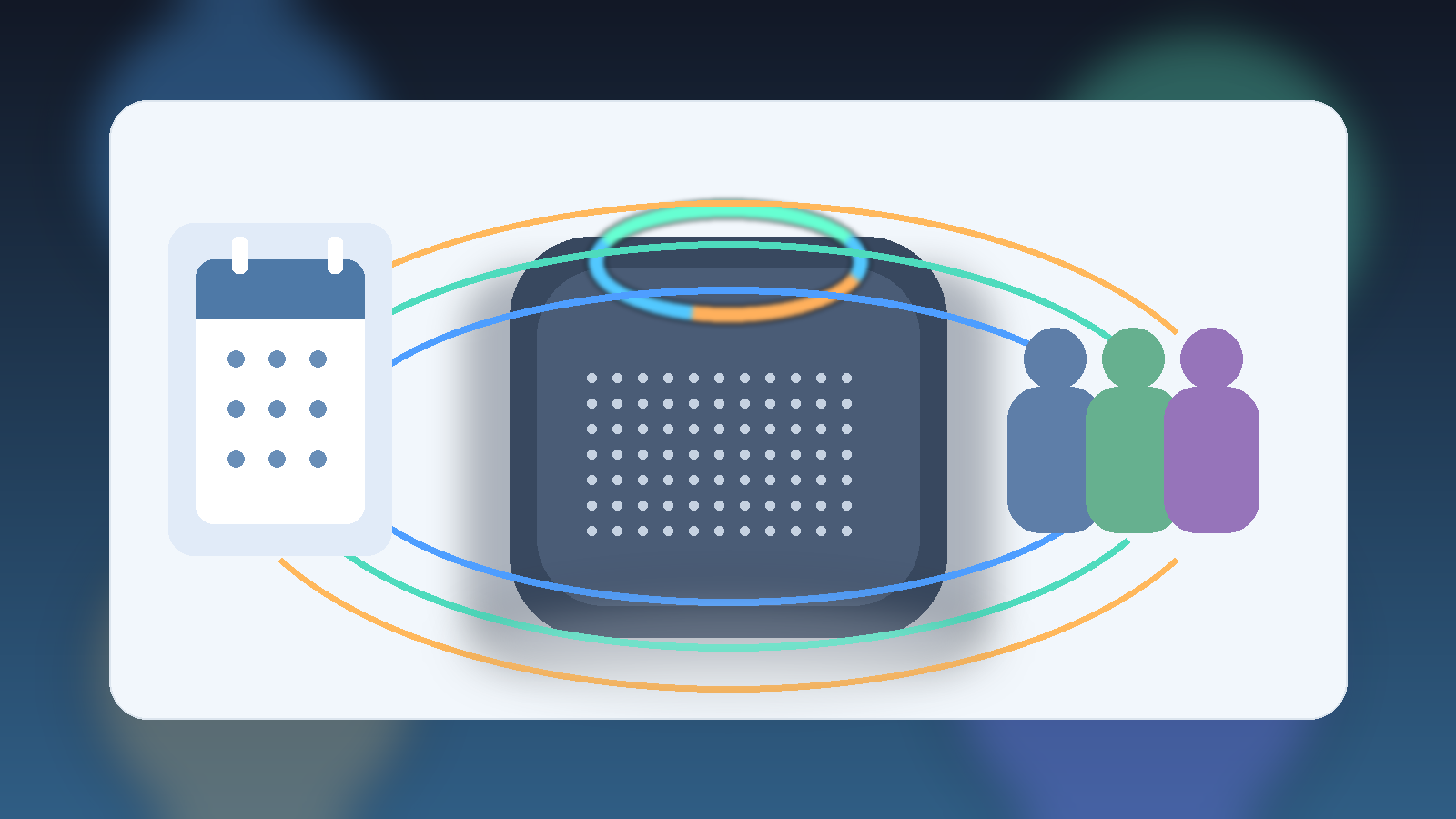
    A shared smart speaker can be one of the handiest pieces of family tech in the house. It can read the weather while breakfast is happening, add groceries before someone forgets, and put a reminder in front of everybody at the right moment. The trouble starts when the speaker treats every voice like the same person. That is when one family member hears another person’s calendar, messages, shopping list, or music recommendations.

    Separate voice profiles are not just a nice personalization feature. In a house with multiple people, they are a practical boundary. They help the speaker answer the right person, limit accidental purchases, and reduce the weird feeling that a device in the kitchen knows too much about everyone at once.

    Convenience turns into confusion surprisingly fast

    Most families set up a smart speaker in a hurry. Someone plugs it in, connects Wi-Fi, links one account, and starts using it. That works for the first few minutes because basic questions are the same for everyone. Then daily life shows up. One person asks about tomorrow’s first appointment, another person wants a reminder, and a child asks the speaker to play something that reshapes the whole recommendation history.

    Without separate voice profiles, the device often defaults to the household account that was used during setup. That means personal information can leak in small ways even if nothing dramatic happens. A spouse may hear the wrong commute time. A teenager might trigger the family shopping account. Guests can stumble into responses that were never meant for them. None of that feels like a breach in the cinematic sense, but it is exactly the kind of low-grade privacy mess that makes people stop trusting the device.

    Calendar and messaging mistakes are the real warning sign

    The most obvious risk is not usually a hacked speaker. It is a badly configured one. Smart speakers become far more sensitive when they are connected to calendars, reminders, contacts, shopping lists, or messaging services. If the assistant cannot reliably tell who is speaking, it may answer with the wrong person’s information simply because the device is trying to be helpful.

    That is why families should treat a smart speaker more like a shared computer and less like a harmless kitchen radio. The second it can read private events, place orders, or interact with personal accounts, identity matters. A separate voice profile is the quickest way to reduce mistaken responses without giving up the convenience that made the speaker appealing in the first place.

    Voice profiles also reduce accidental buying and account crossover

    Many households do not realize how much account authority their speaker has until something odd appears on the doorstep or in a purchase history. Even when purchase confirmations exist, the root problem is often that the device is acting through a single family member’s account. Separate voice recognition will not solve every purchasing issue on its own, but it makes it easier to pair the right person with the right permissions.

    This is also where family rules matter. Kids should know whether the speaker is allowed to order anything. Adults should know which services are linked and whether voice purchasing is disabled, PIN-protected, or restricted to one profile. If the answer is “I’m not sure,” that is already a sign the setup needs attention.

    • Review which shopping or payment services are connected to the speaker.
    • Disable voice purchasing entirely if the household does not truly need it.
    • Use a confirmation PIN or equivalent safeguard when the platform supports it.
    • Check whether children’s voices are being recognized as generic adult requests.

    A short setup review is usually enough

    The good news is that this is rarely a major project. For most homes, a useful cleanup can happen in fifteen minutes. Open the speaker app, look for household members, confirm who has a voice profile, and check which calendars, music services, shopping features, and communication tools are tied to the device. If somebody uses the speaker regularly and still gets generic responses, their profile probably was never trained properly or has gone stale.

    It is also worth testing the setup out loud. Ask each family member to request their own calendar, reminders, or music. If the responses look interchangeable, the device is still operating as one blended identity. That is the moment to retrain voices, remove old household members, or tighten what the assistant is allowed to access.

    Shared devices need house rules, not just settings

    Even a well-configured speaker works better when the family agrees on basic rules. Decide whether guests can use it freely, whether children can send messages through it, and whether anyone should be able to ask for calendar details in common spaces. Families do not need a formal policy document, but they do need the equivalent of “this is for household convenience, not for everyone’s private business.”

    That small conversation does two useful things. First, it keeps the speaker aligned with how the household actually lives. Second, it reminds everyone that the device is a shared interface tied to real accounts and real information. Good smart-home habits are usually less about fear and more about clear boundaries.

    The practical bottom line

    If a smart speaker in your home can access calendars, shopping, messages, or personalized media, separate voice profiles are worth the effort. They make the device more accurate, reduce awkward information leaks, and help keep one person’s account from becoming the accidental default identity for the whole house. A quick review now is much easier than untangling confusion after the speaker starts answering the wrong person with the wrong details.
  • Why Family Location Sharing Needs an Off Switch for School, Sleep, and Private Time

    Why Family Location Sharing Needs an Off Switch for School, Sleep, and Private Time

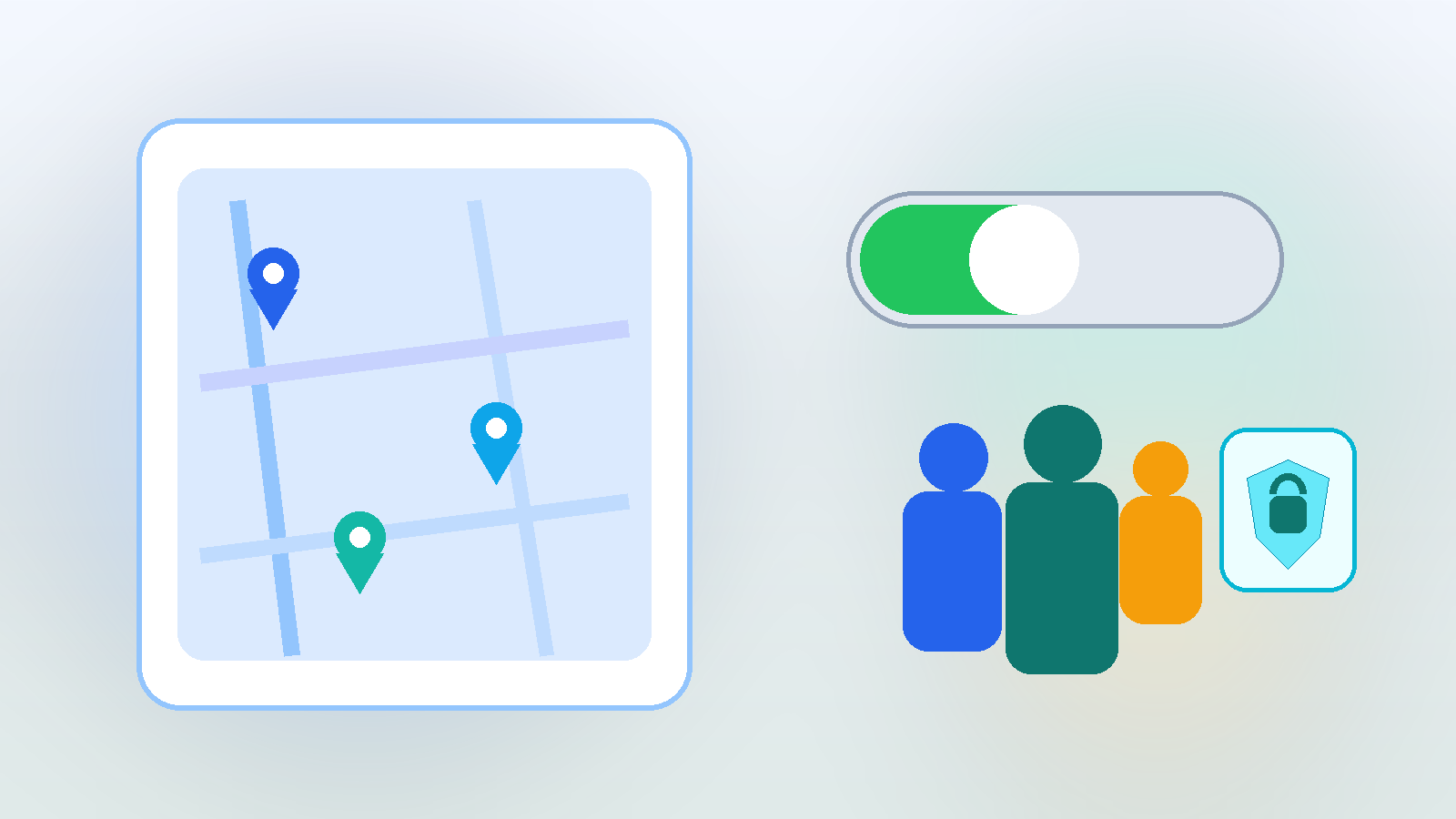
    Family location sharing can be genuinely useful. It helps parents confirm that a child got to practice, lets a spouse know the other person is still on the road, and makes it easier to coordinate pickups when plans shift at the last minute. In the right context, it reduces friction and adds peace of mind.

    The trouble starts when a practical safety tool quietly becomes permanent background surveillance. A feature that feels reassuring during travel or emergencies can become invasive when it stays on all the time without clear boundaries. Families usually do better when location sharing is treated like a situational tool, not a default entitlement.

    Useful Does Not Mean Unlimited

    Location sharing often gets framed as a simple choice between safety and privacy, which is a lazy way to think about it. Real family life is more nuanced than that. A teenager walking home after a late event is different from a teenager sitting in class. A partner on a road trip is different from a partner trying to have a quiet hour without being tracked by default.

    That is why families need rules about when location sharing helps and when it stops being appropriate. The point is not to reject the feature. The point is to keep it aligned with actual needs instead of letting the app decide the social norm.

    School Time Is Not the Same as Travel Time

    Many parents turn on location sharing for a good reason, then forget to revisit the setting once the immediate reason passes. Over time, that can normalize checking on someone who is simply going through an ordinary school day. For younger children, some visibility may make sense. For older kids, constant passive monitoring can create tension without adding much real safety.

    A better approach is to tie the setting to context. Big transitions, late pickups, long drives, public events, and unfamiliar routes are strong reasons to use it. Sitting in algebra class usually is not. Families that name the difference out loud tend to build more trust than families that leave the setting permanently enabled and never discuss it again.

    Sleep and Downtime Need Privacy Too

    Tech boundaries are not only for children. Adults also deserve parts of the day that are not quietly translated into data points for everyone else. If someone is home for the night, asleep, or simply having private downtime, constant location visibility often adds more habit than value. People should not have to justify every still moment on a map.

    This matters because family trust is shaped by defaults. When every movement is visible all the time, it becomes easy to ask low-value questions just because the information exists. That can make normal life feel strangely audited. A small off switch restores the idea that care does not require perpetual observation.

    Private Time Is Not Suspicious Time

    One of the worst habits around location sharing is treating any desire for privacy as proof that something is wrong. That logic poisons the entire tool. Wanting space, wanting to meet a friend without commentary, or wanting a quiet errand without live updates is not the same thing as deception. Healthy families leave room for ordinary privacy.

    If the household rule implies that turning off sharing always triggers conflict, then the feature is no longer serving coordination. It is serving control. That is the moment to step back and reset expectations before resentment becomes the real outcome.

    Make the Boundaries Simple Enough to Use

    Most families do not need a giant policy document. They need a rule simple enough to remember in real life. For example: use location sharing for travel, pickups, and unusual situations; turn it off during normal school hours, sleep, and routine private time unless everyone agrees otherwise. That kind of rule is practical because it matches actual use cases.

    • Turn sharing on for rides, events, late arrivals, and unfamiliar destinations.
    • Review which apps have location access and whether they really need it.
    • Talk about what counts as a normal privacy window instead of making people guess.
    • Revisit the settings after emergencies so temporary tracking does not become permanent habit.

    Those steps are not complicated, but they do something important. They make the feature intentional again. Intentional tools create confidence. Unexamined defaults create friction.

    Final Takeaway

    Family location sharing works best when it is tied to specific moments that actually benefit from visibility. It works worst when it becomes a silent expectation that everyone should always be trackable. Safety matters, but so does dignity, and strong households need both.

    The smart default is not “always on” or “never use it.” It is simpler than that: share location when the situation calls for coordination or protection, and keep an obvious off switch for school, sleep, and private time.

  • Why Your Family Browser Needs an Extension Cleanup Before Something Breaks

    Why Your Family Browser Needs an Extension Cleanup Before Something Breaks

    Browser extensions are one of those small conveniences that can turn into a quiet mess. Someone installs a coupon finder, a homework helper, a PDF tool, a weather add-on, a shopping tracker, and three random utilities they barely remember choosing. None of them feel important enough to review later, so they stay. Months down the road, the browser feels slower, websites start acting strangely, and nobody is quite sure why.

    That pattern shows up in a lot of households because family devices tend to accumulate software in tiny harmless-looking layers. An extension may save five seconds today, then keep broad page access, inject ads, collect browsing data, or conflict with another tool for the next year. Families do not need to fear every extension, but they do need to stop treating the extension bar like a junk drawer that never gets cleaned out.

    Extensions Often Keep More Access Than People Realize

    The biggest misunderstanding is thinking an extension is just a button. In reality, many extensions can read and change data on websites, observe browsing activity, autofill information, or inject their own scripts into pages. Some do that for legitimate reasons. Others do it because the business model depends on collecting more information than the user would knowingly volunteer.

    For a family, that matters because the browser is where school portals, banking pages, shopping carts, medical forms, and shared household logins often live. An unnecessary extension sitting in the background may have more visibility into that activity than anyone in the house would find acceptable if it were explained plainly.

    Performance Problems Are Often Really Extension Problems

    When a browser starts feeling flaky, many people blame the laptop, the Wi-Fi, or the website they are visiting. Sometimes that is true. But just as often, the browser is fighting with too many add-ons at once. One extension blocks scripts, another rewrites links, another injects coupons, another changes the new tab page, and suddenly normal sites load badly or not at all.

    This is why cleanup matters even if security never enters the conversation. A crowded browser can create false tech emergencies. Families waste time rebooting devices, clearing caches, or blaming the internet when the real cause is one neglected add-on that nobody needed anymore.

    Shared Family Devices Need Stricter Defaults

    A shared family computer is not the same as one adult’s personal tinkering machine. The more people use a device, the more important it is to keep the browser predictable. If one person installs a niche note-taking tool, another adds a shopping helper, and a teenager experiments with study tools and game add-ons, the combined result can become impossible to troubleshoot.

    That does not mean nobody gets useful tools. It means a shared device should have a smaller approved set, and anything extra should earn its place. If an extension is not clearly helping, clearly trusted, and clearly still in use, it probably should not stay installed on the household machine.

    A Good Cleanup Rule Is Boring and Fast

    The best family rule is not complicated: once in a while, open the extension list and ask three questions. Do we still use this? Do we trust who made it? Does it need the access it has? That short review catches a surprising amount of junk before it causes trouble.

    • Remove anything nobody remembers installing.
    • Disable tools that were only needed for a one-time task.
    • Keep password managers and other high-trust tools, but verify they are the real official versions.
    • Be skeptical of add-ons that promise coupons, downloads, crypto rewards, or “free” shortcuts everywhere you browse.

    These checks are not glamorous, but they are exactly the kind of boring maintenance that keeps family tech from drifting into chaos. A browser with fewer moving parts is easier to secure, easier to explain, and easier to fix.

    Teach Kids and Teens That “Small Install” Does Not Mean “Small Risk”

    Younger users often understand how to install browser tools long before they understand permissions, data collection, or fake reviews. An extension can look harmless because it is not a full app and does not ask for an obvious payment. That does not make it low-risk. Families should explain that browser add-ons can affect every site the user visits, which gives them an outsized amount of influence for something installed in ten seconds.

    That conversation matters more than memorizing brand names. Stores change, reviews get manipulated, and even previously useful tools can be sold or updated in bad ways. The durable lesson is to install less, trust slowly, and remove anything that stops earning a place on the device.

    Final Takeaway

    A family browser should feel dependable, not mysterious. If pages are breaking, privacy feels murky, or the extension list looks like a forgotten attic, it is probably time for a cleanup. Most households do not need more browser tools. They need fewer tools with clearer reasons for staying.

    That is the quiet advantage of an extension review: it improves security, reduces weird behavior, and makes everyday tech less annoying without requiring anyone to become an expert.

  • Why Family Cloud Storage Needs a Shared Ownership Plan Before an Emergency

    Why Family Cloud Storage Needs a Shared Ownership Plan Before an Emergency

    Shared cloud storage sounds simple on the surface. One person opens the account, everyone saves photos and documents there, and life moves on. The problem shows up later, when a family realizes the entire archive depends on a single login, one billing method, and one person remembering how everything was organized.

    That setup works right up until it does not. A lost device, a locked account, a medical emergency, or even a subscription problem can suddenly turn “our family storage” into “one person’s storage that the rest of us cannot reach.” The fix is not complicated, but it does require treating shared access like a plan instead of a habit.

    Convenience Often Hides a Single Point of Failure

    Many families drift into cloud storage without making any explicit decisions. The first person who buys extra space becomes the default owner, then other people start depending on that account for photos, scans, school files, and shared records. Over time, the storage feels communal even though the control structure is not.

    That mismatch matters because ownership controls recovery. If the main account holder changes passwords, loses access to their email, or dies unexpectedly, everyone else may discover that their “shared” digital life was never truly shared in the first place.

    Separate Shared Access From Personal Identity

    The healthiest setup is one where family collaboration does not rely entirely on one person’s personal inbox or private login. Some platforms allow family sharing, delegated folders, shared albums, or admin roles. When those options exist, they are usually better than handing around one master password.

    This also protects everyday privacy. A spouse, parent, or adult child may need access to important household documents without also inheriting full visibility into someone else’s entire personal account history.

    Decide What Actually Needs Shared Control

    Not every file belongs in the same bucket. Families do better when they split personal material from household material on purpose. Insurance scans, appliance records, school forms, travel documents, and key family photos often deserve durable shared access. Private journals, individual work files, or one person’s tax workspace may not.

    That distinction keeps the system cleaner and makes emergency access less awkward. It is much easier to plan shared ownership when the shared area only contains things that truly need to outlast one person’s memory or availability.

    Make Recovery Boring, Not Heroic

    Good recovery planning should feel boring. At least two trusted adults should know which service holds the family archive, how billing is handled, and what backup protections exist. If recovery codes or account instructions are needed, they should live somewhere deliberate, such as a password manager with emergency access or another clearly documented secure location.

    The goal is to avoid a future scavenger hunt. In a stressful moment, nobody should have to guess which app contains the photos, which email address owns the subscription, or whether auto-renew quietly failed six months ago.

    Review Shared Storage Like a Household Utility

    Families review internet bills, phone plans, and insurance because those services matter. Shared cloud storage deserves the same treatment. A quick check once or twice a year can confirm who owns the account, who still has access, whether backups work, and whether the folder structure still makes sense.

    This kind of maintenance is not glamorous, but it prevents silent drift. The longer a storage system runs without review, the more likely it is to become confusing, brittle, or dependent on one person who never meant to become the family’s permanent digital gatekeeper.

    Final Takeaway

    Family cloud storage should survive normal human reality: forgotten passwords, changed phones, billing hiccups, and emergencies. If the whole setup depends on one account owner doing everything forever, it is not really a family system. It is borrowed convenience.

    A better approach is simple: define what is shared, assign access intentionally, and make sure at least one other trusted person can help recover what matters when life gets messy.

  • Why Family Rules for AI Photo Editing Should Start With Consent

    Why Family Rules for AI Photo Editing Should Start With Consent

    AI photo editing has become weirdly normal, weirdly fast. A family can now remove backgrounds, smooth blemishes, age a portrait, swap styles, or build a silly birthday image in minutes. Some of that is harmless fun. Some of it gets uncomfortable quickly, especially when one person edits another person’s face or body without asking first.

    That is why the most useful household rule is not about which app to ban. It is about consent. Before a family shares, posts, or even circulates an AI-edited photo of another person, there should be a clear yes from the person being edited or from a parent when the subject is a younger child. This is less about being dramatic and more about keeping trust intact while the tools get more powerful.

    AI Editing Changes More Than Color and Lighting

    Traditional photo edits usually fix exposure, crop a frame, or sharpen a blurry shot. AI tools can do much more. They can reshape expressions, invent backgrounds, change clothing details, and produce a version of a moment that never actually happened. That shift matters because the edit is no longer just cleanup. It can become a new story about a real person.

    In a family context, that is where friction starts. A teenager may not want an edited image shared with relatives. A spouse may dislike a heavily filtered version that feels fake. A younger child may be too young to understand how far a playful edit can spread once it lands in a group chat or social feed.

    Consent Protects Trust Better Than After-the-Fact Apologies

    Families often treat photo sharing as informal because the people involved already know each other. But familiarity does not erase discomfort. If someone sees a stylized or altered version of themselves after it has already been posted, the conversation starts from embarrassment instead of respect.

    A simple ask-first habit changes the tone completely. It tells people that creativity is welcome, but control over your own image still matters. That is a useful lesson for adults and kids alike because it scales beyond family life into school, friendships, and social media norms.

    Set Different Rules for Private Fun and Public Sharing

    Not every playful edit needs a family policy meeting. A goofy image made for a birthday card or a private laugh may be fine when everyone is in on the joke. Problems usually start when the image leaves that context. Once an edited photo is posted publicly or forwarded broadly, it becomes much harder to pull back.

    A practical household rule is to divide photo edits into two lanes. Private, clearly harmless edits can stay in the family chat if the people involved are comfortable. Public posts, profile pictures, school-related uses, or anything that changes a person’s appearance in a meaningful way should require explicit approval first.

    • Ask before editing someone else’s face, body, or expression in a noticeable way.
    • Ask again before posting an AI-edited image outside the immediate family chat.
    • Avoid edits that make a child look older, more glamorous, or substantially different from reality for public sharing.
    • Delete the edit without debate if the subject says they are uncomfortable with it.

    Those rules are not complicated, and that is the point. Families follow the boundaries they can remember in real life.

    Children Need Protection From Both Strangers and Familiar Pressure

    When kids are involved, the stakes go up. Adults may focus on obvious privacy risks like location clues or school logos in the background, but AI edits create a second problem: they can shape a child’s digital identity before the child has any say in it. A steady stream of polished, stylized, or heavily altered images can quietly teach kids that their ordinary face is not the version worth sharing.

    That is one reason to keep public AI edits of children rare and boring. Families do not need to turn every holiday snapshot into an uncanny masterpiece. Most of the time, the healthier choice is to save the creative experiments for local use and keep public sharing more grounded in reality.

    Use AI Tools That Let You Stay in Control

    The app itself matters too. Some tools make private review easy, while others push users toward instant sharing, cloud syncing, or public templates. For family use, calmer tools are usually better. The best app is not the one with the most viral effects. It is the one that lets you preview, save locally, and decide deliberately what happens next.

    It is also smart to check whether uploaded images are used to train models, stored by default, or attached to a social profile. A tool that feels playful on the surface may still collect more than a family expects. That is another good reason to keep the household rule simple: if you would feel weird explaining the edit and the app’s behavior later, slow down first.

    The Best Family Rule Is Boring and Clear

    Families do not need a hundred-photo policy. They need one sturdy default: ask before you meaningfully edit someone else’s image, and ask before you share it beyond the room it was made for. That rule respects dignity, prevents avoidable arguments, and teaches kids that technology should not outrun consent.

    AI photo editing is not going away. The households that handle it best will not be the ones with the fanciest tools. They will be the ones that keep trust more important than novelty.

  • Why Families Should Review App Permissions After Setting Up a New Phone

    Why Families Should Review App Permissions After Setting Up a New Phone

    Setting up a new phone feels like a clean slate, but the privacy and security story does not end when the home screen appears. Once the device is activated, apps begin asking for access to the camera, microphone, location, contacts, photos, Bluetooth, notifications, and more. Families often approve those prompts quickly just to finish setup and move on.

    That is understandable, but it creates a familiar problem: a brand-new phone can inherit an unnecessarily broad permission footprint within its first hour of use. A short review after setup is one of the simplest ways to make the phone calmer, safer, and easier to trust over time.

    Why Setup Prompts Lead to Over-Approval

    Permission prompts usually appear at the most inconvenient moment. Someone is trying to sign in, restore backups, install favorite apps, connect headphones, or send the first message from the new device. In that context, tapping Allow feels like the fastest route back to normal life.

    The trouble is that many apps ask for more access than they need immediately. Some requests are legitimate, some are optional, and some are best granted only while the app is in use. When families approve everything at once, they lose the chance to separate necessary access from habitual access.

    Permissions Shape Both Privacy and Risk

    App permissions are not only a privacy issue. They also affect how much damage a bad app, a compromised account, or a sloppy third-party integration can do. An app with constant location access knows more than one that only checks location while open. An app with full photo access sees more than one limited to selected images. A messaging app that truly needs the microphone is different from a random utility app that wants the same thing.

    Reviewing permissions helps families reduce unnecessary exposure without turning the phone into a locked-down science project. The goal is not to distrust every app equally. The goal is to match the level of access to the job the app is actually doing.

    Start With the Sensitive Categories

    After setup, it is smart to review the permissions that reveal the most about a person or household. Location, microphone, camera, contacts, photos, and Bluetooth usually deserve the first look. These categories affect physical privacy, family relationships, and in some cases security around nearby devices.

    For many households, the best default is moderation. If an app only needs access occasionally, choose the most limited version available. That might mean While Using the App, Ask Next Time, or access to selected photos instead of the entire library. Modern phones finally make this easier than they used to, and families should take advantage of that progress.

    Children and Shared Family Devices Need Extra Attention

    This review matters even more on phones used by children or on devices that move around the household. Kids often accept prompts quickly, and shared devices can blur the line between one person’s data and everyone else’s. A game may not need contact access. A flashlight app definitely does not need the microphone. A shopping app does not always need precise location.

    Families do not need to turn this into a lecture. A two-minute habit is enough: install the app, use it once, then confirm that the permission level still makes sense. Over time, that teaches better judgment than either blind approval or blanket fear.

    Notifications Deserve a Review Too

    People often forget that notification access is part of the quality-of-life picture. A new phone can become noisy fast when every app wins the right to interrupt. While notifications are not always framed as a classic security permission, they influence attention, distraction, and how easily scammy or low-value apps can keep pulling users back in.

    A post-setup review is a good time to ask which apps deserve immediate alerts and which ones can wait silently. Families who reduce unnecessary notifications usually end up with a phone that feels better, not just safer.

    A Practical Five-Minute Checklist

    For most families, a useful review looks like this:

    • Open the phone’s privacy or permissions dashboard.
    • Check location, camera, microphone, contacts, photos, and Bluetooth first.
    • Downgrade any app that does not need constant or full access.
    • Remove permissions from apps that have no obvious reason to hold them.
    • Trim notification access so only important apps interrupt by default.

    That process is short, realistic, and much more effective than promising to “look at it later” and never circling back.

    Final Takeaway

    Buying a new phone is not just about speed, cameras, or screen quality. It is also the moment when a device’s trust boundaries get set. Families who spend a few minutes reviewing app permissions after setup usually end up with fewer privacy surprises, fewer pointless interruptions, and a better sense of control over the device they carry every day.

    That is a strong return on five minutes of attention. In family tech, boring maintenance often beats dramatic fixes.