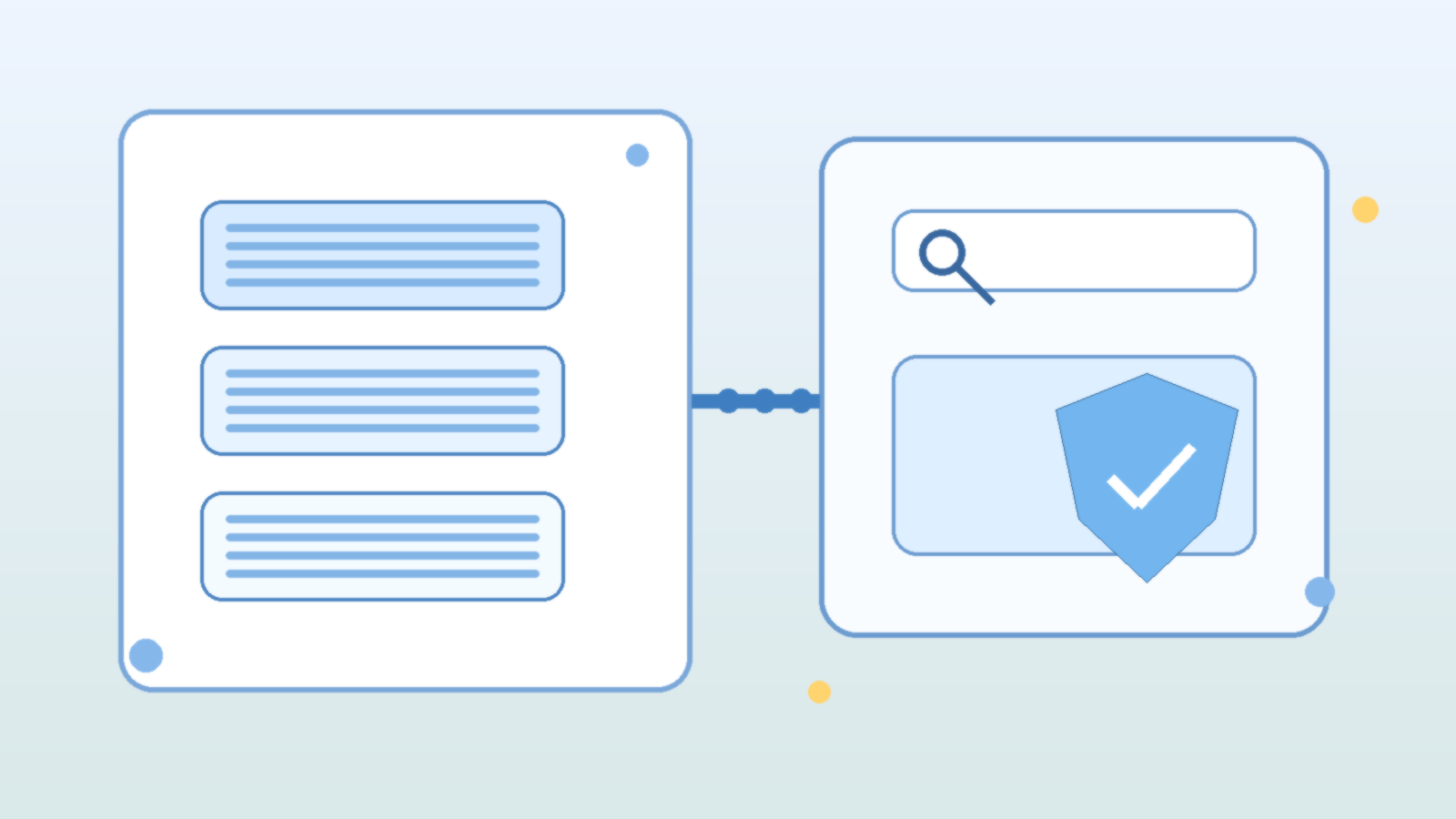
Retrieval-augmented generation, usually shortened to RAG, often gets pitched as the practical fix for stale model knowledge. Instead of relying only on a model’s training data, a RAG system pulls in documents from your own environment and uses them as context for an answer. That sounds reassuring, but it creates a new problem that many teams underestimate: the system is only as trustworthy as the freshness of the content it retrieves.
If outdated policies, old product notes, retired architecture diagrams, or superseded runbooks stay in the retrievable set for too long, the model will happily cite and summarize them. To an end user, the answer still looks polished and current. Under the hood, however, the system may be grounding itself in documents that no longer reflect reality.
Fresh Retrieval Is Not the Same Thing as Accurate Retrieval
Many RAG conversations focus on ranking quality, chunking strategy, vector similarity, and prompt templates. Those matter, but they do not solve the governance problem. A retriever can be technically excellent and still return the wrong material if the index contains stale, duplicated, or no-longer-approved content.
This is why freshness needs to be treated as a first-class quality signal. When users ask about pricing, internal procedures, product capabilities, or security controls, they are usually asking for the current truth, not the most semantically similar historical answer.
Stale Context Creates Quiet Failure Modes
The dangerous part of stale context is that it does not usually fail in dramatic ways. A RAG system rarely announces that its source document was archived nine months ago or that a newer policy replaced the one it found. Instead, it produces an answer that sounds measured, complete, and useful.
That kind of failure is hard to catch because it blends into normal success. A support assistant may quote an obsolete escalation path. A security copilot may recommend an access pattern that the organization already banned. An internal knowledge bot may pull from a migration guide that applied before the platform team changed standards. The result is not just inaccuracy. It is misplaced trust.
Every Corpus Needs Lifecycle Rules
A content freshness policy gives the retrieval layer a lifecycle instead of a pileup. Teams should define which sources are authoritative, how often they are re-indexed, when documents expire, and what happens when a source is replaced or retired. Without those rules, the corpus tends to grow forever, and old material keeps competing with the documents people actually want the assistant to use.
The policy does not have to be complicated, but it does need to be explicit. A useful starting point is to classify sources by operational sensitivity and change frequency. Security standards, HR policies, pricing pages, API references, incident runbooks, and architecture decisions all age differently. Treating them as if they share the same refresh cycle is a shortcut to drift.
- Define source owners for each indexed content domain.
- Set expected refresh windows based on how quickly the source changes.
- Mark superseded or archived documents so they drop out of normal retrieval.
- Record version metadata that can be shown to users or reviewers.
Metadata Should Help the Model, Not Just the Admin
Freshness policies work better when metadata is usable at inference time, not just during indexing. If the retrieval layer knows a document’s publication date, review date, owner, status, and superseded-by relationship, it can make better ranking decisions before the model ever starts writing.
That same metadata can also support safer answer generation. For example, a system can prefer reviewed documents, down-rank stale ones, or warn the user when the strongest matching source is older than the expected freshness window. Those controls turn freshness from an internal maintenance task into a visible trust feature.
Trust Improves When the System Admits Its Boundaries
One of the smartest things a RAG product can do is refuse false confidence. If the newest authoritative document is too old, missing, or contradictory, the assistant should say so clearly. That may feel less impressive than producing a seamless answer, but it is much better for long-term credibility.
In practice, this means designing for uncertainty. A mature implementation might respond with the best available answer while also exposing source dates, linking to the underlying documents, or noting that the most relevant policy has not been reviewed recently. Users do not need perfection. They need enough signal to judge whether the answer is current enough to act on.
Freshness Is a Product Decision, Not Just an Indexing Job
It is tempting to assign content freshness to the search pipeline and call it done. In reality, this is a cross-functional decision involving platform owners, content teams, security reviewers, and product leads. The retrieval layer reflects the organization’s habits. If content ownership is vague and document retirement is inconsistent, the RAG experience will eventually inherit that chaos.
The strongest teams treat freshness like part of product quality. They decide what “current enough” means for each use case, measure it, and design visible safeguards around it. That is how a RAG assistant stops being a demo and starts becoming something people can rely on.
Final Takeaway
RAG does not remove the need for knowledge management. It raises the cost of doing it badly. If your system retrieves content that is old, superseded, or ownerless, the model can turn that drift into confident-looking answers at scale.
A content freshness policy is what keeps retrieval grounded in the present instead of the archive. Before users trust your answers, make sure your corpus has rules for staying current.
Leave a Reply