Tag: Security Architecture

  • Why AI Agents Need a Permission Budget Before They Touch Production Systems

    Why AI Agents Need a Permission Budget Before They Touch Production Systems

    Teams love to talk about what an AI agent can do, but production trouble usually starts with what the agent is allowed to do. An agent that reads dashboards, opens tickets, updates records, triggers workflows, and calls external tools can accumulate real operational power long before anyone formally acknowledges it.

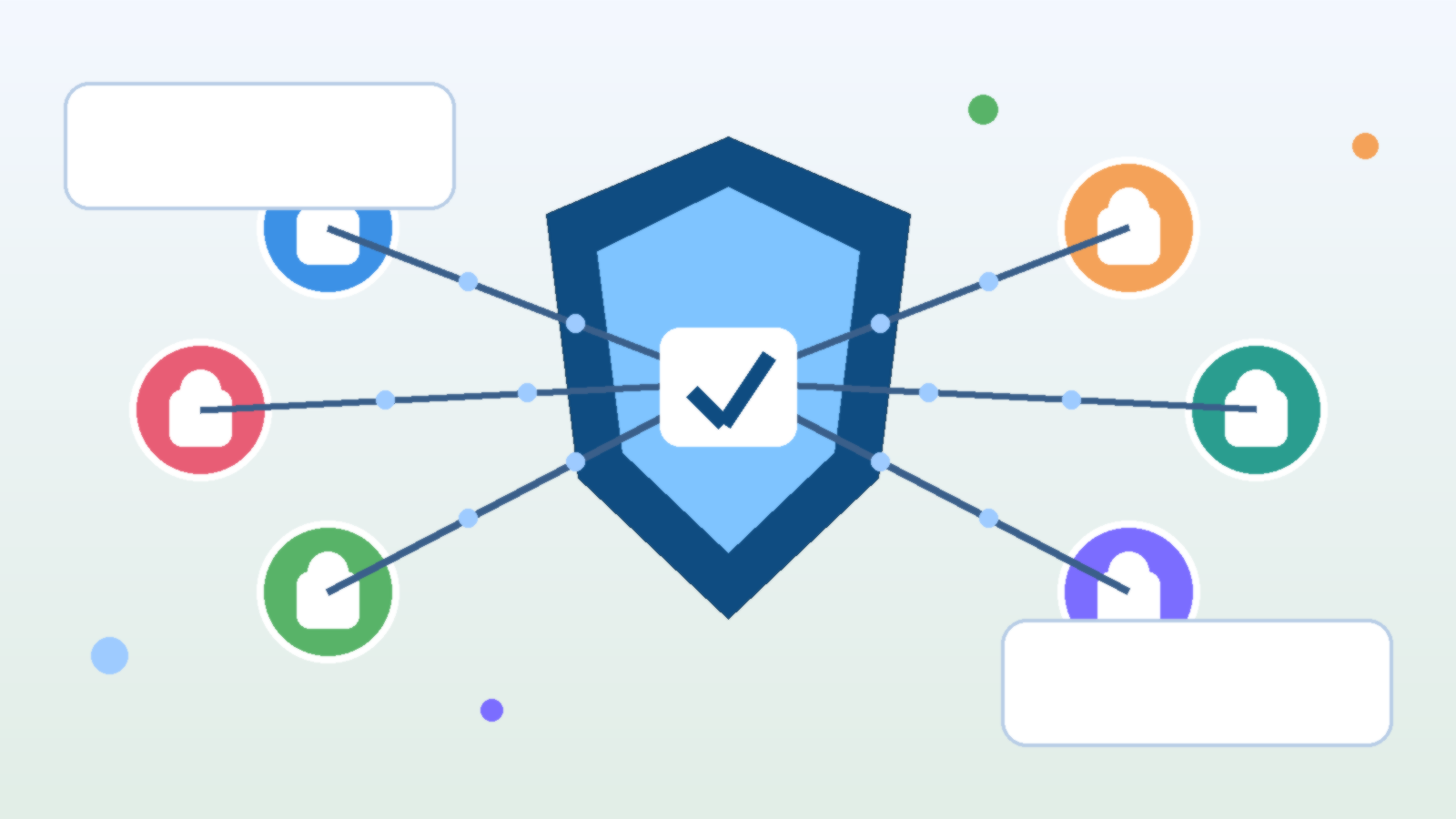
    That is why serious deployments need a permission budget before the agent ever touches production. A permission budget is a practical limit on what the system may read, write, trigger, approve, and expose by default. It forces the team to design around bounded authority instead of discovering the boundary after the first near miss.

    Capability Growth Usually Outruns Governance

    Most agent programs start with a narrow, reasonable use case. Maybe the first version summarizes alerts, drafts internal updates, or recommends next actions to a human operator. Then the obvious follow-up requests arrive. Can it reopen incidents automatically? Can it restart a failed job? Can it write back to the CRM? Can it call the cloud API directly when confidence is high?

    Each one sounds efficient in isolation. Together, they create a system whose real authority is much broader than the original design. If the team never defines an explicit budget for access, production permissions expand through convenience and one-off exceptions instead of through deliberate architecture.

    A Permission Budget Makes Access a Design Decision

    Budgeting permissions sounds restrictive, but it actually speeds up healthy delivery. The team agrees on the categories of access the agent can have in its current stage: read-only telemetry, limited ticket creation, low-risk configuration reads, or a narrow set of workflow triggers. Everything else stays out of scope until the team can justify it.

    That creates a cleaner operating model. Product owners know what automation is realistic. Security teams know what to review. Platform engineers know which credentials, roles, and tool connectors are truly required. Instead of debating every new capability from scratch, the budget becomes the reference point for whether a request belongs in the current release.

    Read, Write, Trigger, and Approve Should Be Treated Differently

    One reason agent permissions get messy is that teams bundle very different powers together. Reading a runbook is not the same as changing a firewall rule. Creating a draft support response is not the same as sending that response to a customer. Triggering a diagnostic workflow is not the same as approving a production change.

    A useful permission budget breaks these powers apart. Read access should be scoped by data sensitivity. Write access should be limited by object type and blast radius. Trigger rights should be limited to reversible workflows where audit trails are strong. Approval rights should usually stay human-controlled unless the action is narrow, low-risk, and fully observable.

    Budgets Need Technical Guardrails, Not Just Policy Language

    A slide deck that says “least privilege” is not a control. The budget needs technical enforcement. That can mean separate service principals for separate tools, environment-specific credentials, allowlisted actions, scoped APIs, row-level filtering, approval gates, and time-bound tokens instead of long-lived secrets.

    It also helps to isolate the dangerous paths. If an agent can both observe a problem and execute the fix, the execution path should be narrower, more logged, and easier to disable than the observation path. Production systems fail more safely when the powerful operations are few, explicit, and easy to audit.

    Escalation Rules Matter More Than Confidence Scores

    Teams often focus on model confidence when deciding whether an agent should act. Confidence has value, but it is a weak substitute for escalation design. A highly confident agent can still act on stale context, incomplete data, or a flawed tool result. A permission budget works better when it is paired with rules for when the system must stop, ask, or hand off.

    For example, an agent may be allowed to create a draft remediation plan, collect diagnostics, or execute a rollback in a sandbox. The moment it touches customer-facing settings, identity boundaries, billing records, or irreversible actions, the workflow should escalate to a human. That threshold should exist because of risk, not because the confidence score fell below an arbitrary number.

    Auditability Is Part of the Budget

    An organization does not really control an agent if it cannot reconstruct what the agent read, what tools it invoked, what it changed, and why the action appeared allowed at the time. Permission budgets should therefore include logging expectations. If an action cannot be tied back to a request, a credential, a tool call, and a resulting state change, it probably should not be production-eligible yet.

    This is especially important when multiple systems are involved. AI platforms, orchestration layers, cloud roles, and downstream applications may each record a different fragment of the story. The budget conversation should include how those fragments are correlated during reviews, incident response, and postmortems.

    Start Small Enough That You Can Expand Intentionally

    The best early agent deployments are usually a little boring. They summarize, classify, draft, collect, and recommend before they mutate production state. That is not a failure of ambition. It is a way to build trust with evidence. Once the team sees the agent behaving well under real conditions, it can expand the budget one category at a time with stronger tests and better telemetry.

    That expansion path matters because production access is sticky. Once a workflow depends on a broad permission set, it becomes politically and technically hard to narrow it later. Starting with a tight budget is easier than trying to claw back authority after the organization has grown comfortable with risky automation.

    Final Takeaway

    If an AI agent is heading toward production, the right question is not just whether it works. The harder and more useful question is what authority it should be allowed to accumulate at this stage. A permission budget gives teams a shared language for answering that question before convenience becomes policy.

    Agents can be powerful without being over-privileged. In most organizations, that is the difference between an automation program that matures safely and one that spends the next year explaining preventable exceptions.
  • How to Govern AI Tool Access Without Turning Every Agent Into a Security Exception

    How to Govern AI Tool Access Without Turning Every Agent Into a Security Exception

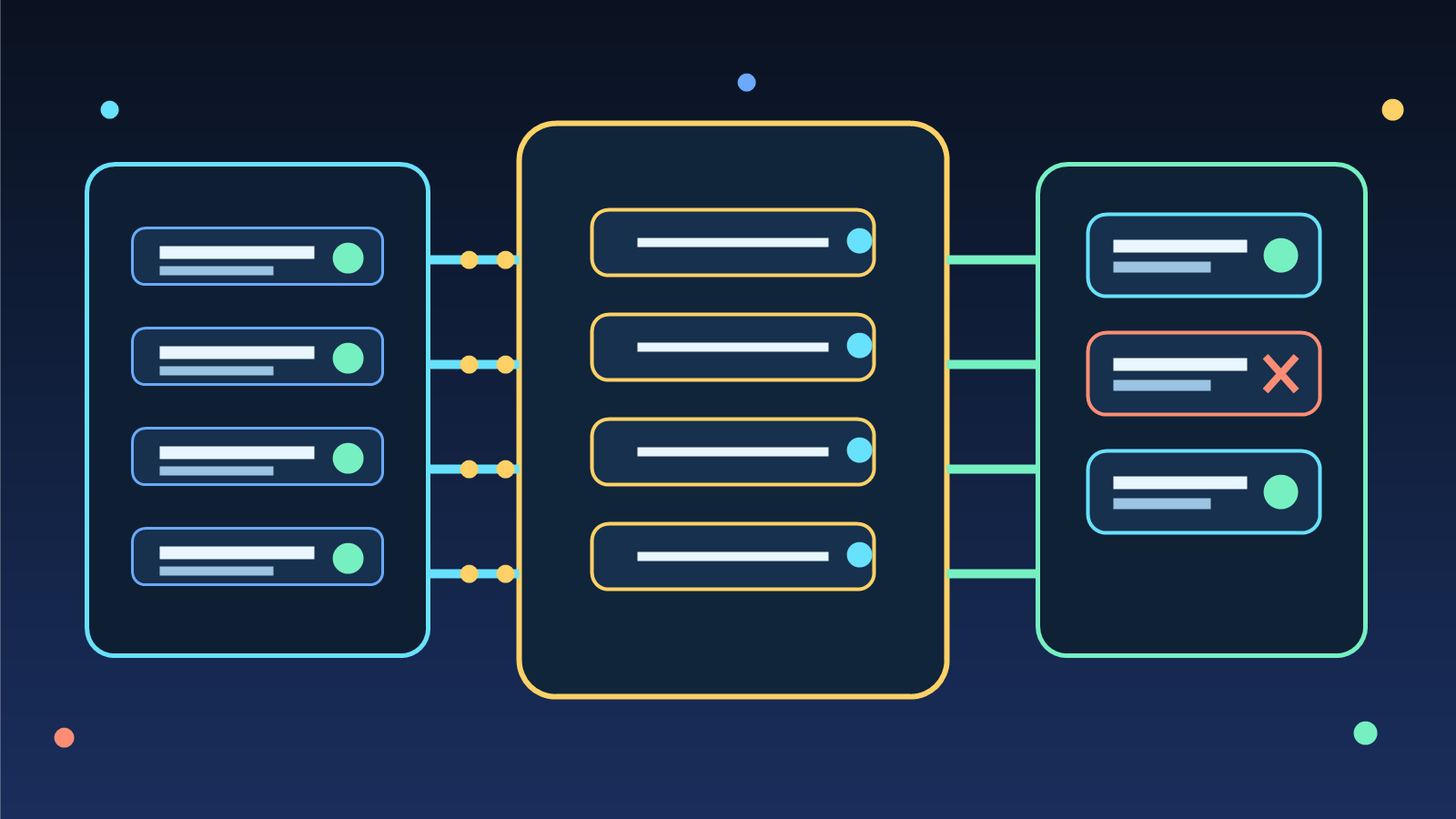
    Abstract illustration of a developer workspace, a central AI tool gateway, and governed tool lanes with policy controls

    AI agents become dramatically more useful once they can do more than answer questions. The moment an assistant can search internal systems, update a ticket, trigger a workflow, or call a cloud API, it stops being a clever interface and starts becoming an operational actor. That is where many organizations discover an awkward truth: tool access matters more than the model demo.

    When teams rush that part, they often create two bad options. Either the agent gets broad permissions because nobody wants to model the access cleanly, or every tool call becomes such a bureaucratic event that the system is not worth using. Good governance is the middle path. It gives the agent enough reach to be helpful while keeping access boundaries, approval rules, and audit trails clear enough that security teams do not have to treat every deployment like a special exception.

    Tool Access Is Really a Permission Design Problem

    It is tempting to frame agent safety as a prompting problem, but tool use changes the equation. A weak answer can be annoying. A weak action can change data, trigger downstream automation, or expose internal systems. Once tools enter the picture, governance needs to focus on what the agent is allowed to touch, under which conditions, and with what level of independence.

    That means teams should stop asking only whether the model is capable and start asking whether the permission model matches the real risk. Reading a knowledge base article is not the same as changing a billing record. Drafting a support response is not the same as sending it. Looking up cloud inventory is not the same as deleting a resource group. If all of those actions live in the same trust bucket, the design is already too loose.

    Define Access Tiers Before You Wire Up More Tools

    The safest way to scale agent capability is to sort tools into clear access tiers. A low-risk tier might include read-only search, documentation retrieval, and other reversible lookups. A middle tier might allow the agent to prepare drafts, create suggested changes, or open tickets that a human can review. A high-risk tier should include anything that changes permissions, edits production systems, sends external communications, or creates hard-to-reverse side effects.

    This tiering matters because it creates a standard pattern instead of endless one-off debates. Developers gain a more predictable way to integrate tools, operators know where approvals belong, and security teams can review the control model once instead of reinventing it for every new use case. Governance works better when it behaves like infrastructure rather than a collection of exceptions.

    Separate Drafting Power From Execution Power

    One of the most useful design moves is splitting preparation from execution. An agent may be allowed to gather data, build a proposed API payload, compose a ticket update, or assemble a cloud change plan without automatically being allowed to carry out the final step. That lets the system do the expensive thinking and formatting work while preserving a deliberate checkpoint for actions with real consequence.

    This pattern also improves adoption. Teams are usually far more comfortable trialing an agent that can prepare good work than one that starts making changes on day one. Once the draft quality and observability prove trustworthy, some tasks can graduate into higher autonomy based on evidence instead of optimism.

    Use Context-Aware Approval Instead of Blanket Approval

    Blanket approval looks simple, but it usually fails in one of two ways. If every tool invocation needs a human click, the agent becomes slow theater. If teams preapprove entire tool families just to reduce friction, they quietly eliminate the main protection they were trying to keep. The better approach is context-aware approval that keys off risk, target system, and expected blast radius.

    For example, read-only inventory queries can often run freely, creating a change ticket may only need a lightweight review, and modifying live permissions may require a stronger human checkpoint with the exact command or API payload visible. Approval becomes much more defensible when it reflects consequence instead of habit.

    Audit Trails Need to Capture Intent, Not Just Outcome

    Standard application logging is not enough for agent tool access. Teams need to know what the agent tried to do, what evidence it relied on, which tool it chose, which parameters it prepared, and whether a human approved or blocked the action. Without that record, post-incident review becomes a guessing exercise and routine debugging becomes far more painful than it needs to be.

    Intent logging is also good politics. Security and operations teams are much more willing to support agent rollouts when they can see a transparent chain of reasoning and control. The point is not to make the system feel mysterious and powerful. The point is to make it accountable enough that people trust where it is allowed to operate.

    Governance Should Create a Reusable Road, Not a Permanent Roadblock

    Poor governance slows teams down because it relies on repeated manual review, unclear ownership, and vague exceptions. Strong governance does the opposite. It defines standard tool classes, approval paths, audit requirements, and revocation controls so new agent workflows can launch on known patterns. That is how organizations avoid turning every agent project into a bespoke policy argument.

    In practice, that may mean publishing a small internal standard for read-only integrations, draft-only actions, and execution-capable actions. It may mean requiring service identities that can be revoked independently of a human account. It may also mean establishing visible boundaries for public-facing tasks, customer data access, and production changes. None of that is glamorous, but it is what lets teams scale tool-enabled AI without creating an expanding pile of security debt.

    Final Takeaway

    AI tool access should not force a choice between reckless autonomy and unusable red tape. The strongest designs recognize that tool use is a permission problem first. They define access tiers, separate drafting from execution, require approval where impact is real, and preserve enough logging to explain what the agent intended to do.

    If your team wants agents that help in production without becoming the next security exception, start by governing tools like a platform capability instead of a one-off shortcut. That discipline is what makes higher autonomy sustainable.

  • How to Set AI Data Boundaries Before Your Team Builds the Wrong Thing

    How to Set AI Data Boundaries Before Your Team Builds the Wrong Thing

    AI projects rarely become risky because a team wakes up one morning and decides to ignore common sense. Most problems start much earlier, when people move quickly with unclear assumptions about what data they can use, where it can go, and what the model is allowed to retain. By the time governance notices, the prototype already exists and nobody wants to slow it down.

    That is why data boundaries matter so much. They turn vague caution into operational rules that product managers, developers, analysts, and security teams can actually follow. If those rules are missing, even a well-intentioned AI effort can drift into risky prompt logs, accidental data exposure, or shadow integrations that were never reviewed properly.

    Start With Data Classes, Not Model Hype

    Teams often begin with model selection, vendor demos, and potential use cases. That sequence feels natural, but it is backwards. The first question should be what kinds of data the use case needs: public content, internal business information, customer records, regulated data, source code, financial data, or something else entirely.

    Once those classes are defined, governance stops being abstract. A team can see immediately whether a proposed workflow belongs in a low-risk sandbox, a tightly controlled enterprise environment, or nowhere at all. That clarity prevents expensive rework because the project is shaped around reality instead of optimism.

    Define Three Buckets People Can Remember

    Many organizations make data policy too complicated for daily use. A practical approach is to create three working buckets: allowed, restricted, and prohibited. Allowed data can be used in approved AI tools under normal controls. Restricted data may require a specific vendor, logging settings, human review, or an isolated environment. Prohibited data stays out of the workflow entirely until policy changes.

    This model is not perfect, but it is memorable. That matters because governance fails when policy only lives inside long documents nobody reads during a real project. Simple buckets give teams a fast decision aid before a prototype becomes a production dependency.

    • Allowed: low-risk internal knowledge, public documentation, or synthetic test content in approved tools.
    • Restricted: customer data, source code, financial records, or sensitive business context that needs stronger controls.
    • Prohibited: data that creates legal, contractual, or security exposure if placed into the current workflow.

    Attach Boundaries to Real Workflows

    Policy becomes useful when it maps to the tasks people are already trying to do. Summarizing meeting notes, drafting support replies, searching internal knowledge, reviewing code, and extracting details from contracts all involve different data paths. If the organization publishes only general statements about “using AI responsibly,” employees will interpret the rules differently and fill gaps with guesswork.

    A better pattern is to publish approved workflow examples. Show which tools are allowed for document drafting, which environments can touch source code, which data requires redaction first, and which use cases need legal or security review. Good examples reduce both accidental misuse and unnecessary fear.

    Decide What Happens to Prompts, Outputs, and Logs

    AI data boundaries are not only about the original input. Teams also need to know what happens to prompts, outputs, telemetry, feedback thumbs, and conversation history. A tool may look safe on the surface while quietly retaining logs in a place that violates policy or creates discovery problems later.

    This is where governance teams need to be blunt. If a vendor stores prompts by default, say so. If retention can be disabled only in an enterprise tier, document that requirement. If outputs can be copied into downstream systems, include those systems in the review. Boundaries should follow the whole data path, not just the first upload.

    Make the Safe Path Faster Than the Unsafe Path

    Employees route around controls when the approved route feels slow, confusing, or unavailable. If the company wants people to avoid consumer tools for sensitive work, it needs to provide an approved alternative that is easy to access and documented well enough to use without a scavenger hunt.

    That means governance is partly a product problem. The secure option should come with clear onboarding, known use cases, and decision support for edge cases. When the safe path is fast, most people will take it. When it is painful, shadow AI becomes the default.

    Review Boundary Decisions Before Scale Hides the Mistakes

    Data boundaries should be reviewed early, then revisited when a pilot grows into a real business process. A prototype that handles internal notes today may be asked to process customer messages next quarter. That change sounds incremental, but it can move the workflow into a completely different risk category.

    Good governance teams expect that drift and check for it on purpose. They do not assume the original boundary decision stays valid forever. A lightweight review at each expansion point is far cheaper than discovering later that an approved experiment quietly became an unapproved production system.

    Final Takeaway

    AI teams move fast when the boundaries are clear and trustworthy. They move recklessly when the rules are vague, buried, or missing. If you want better AI outcomes, do not start with slogans about innovation. Start by defining what data is allowed, what data is restricted, and what data is off limits before anyone builds the wrong thing around the wrong assumptions.

    That one step will not solve every governance problem, but it will prevent a surprising number of avoidable ones.