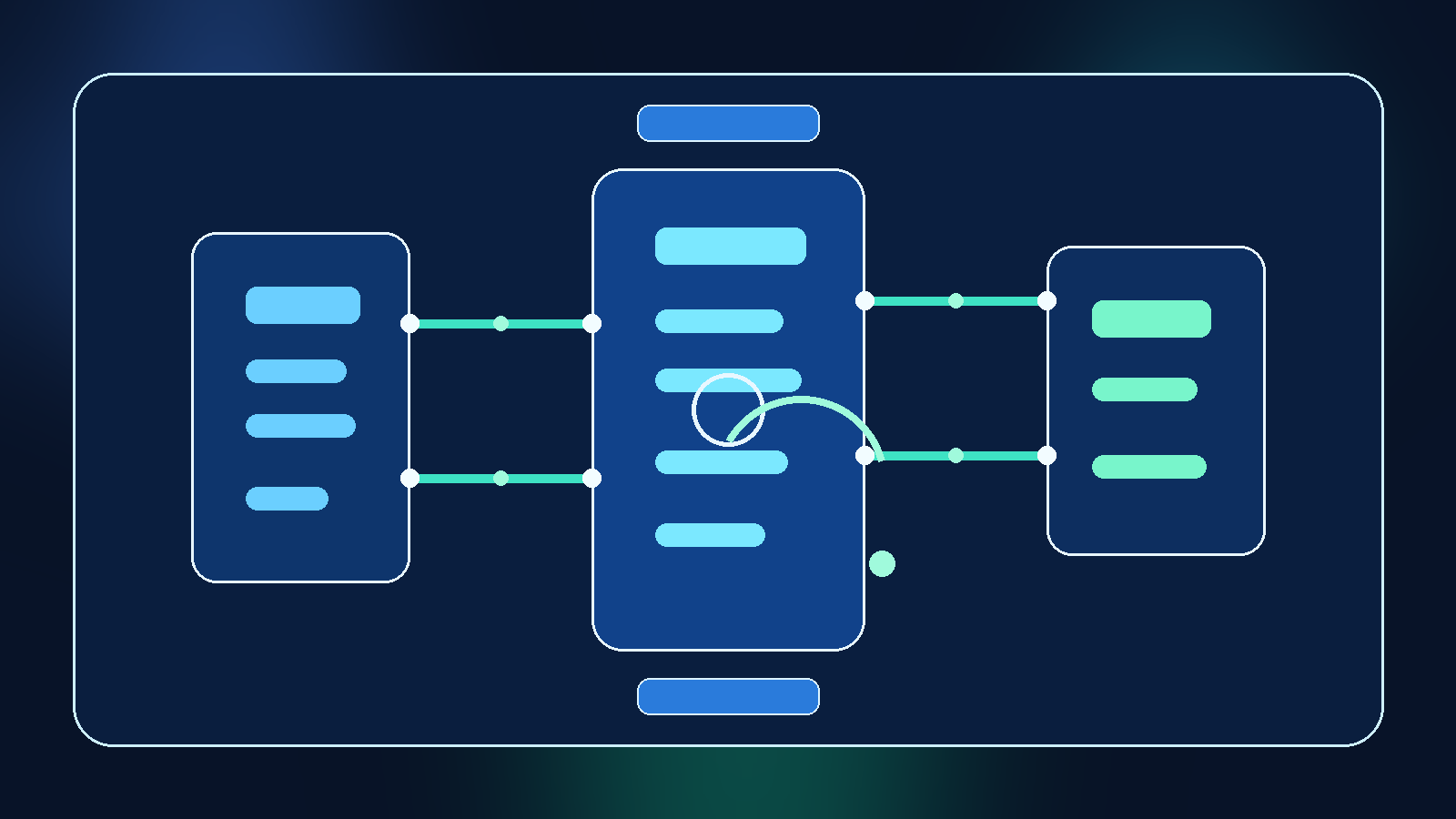
Azure AI Agent Service is interesting because it makes agent-style workflows feel more operationally approachable. Teams can wire in tools, memory patterns, and orchestration logic faster than they could with a loose pile of SDK samples. That speed is useful, but it also creates a predictable governance problem: tool credentials start spreading everywhere.
The risk is not only that a secret gets exposed. The bigger issue is that teams quietly normalize a design where every new agent project gets its own broad connector, duplicated credentials, and unclear ownership. Once that pattern settles in, security reviews become slower, incident response becomes noisier, and platform teams lose the ability to explain what any given agent can actually touch.
The better approach is to treat Azure AI Agent Service as an orchestration layer, not as an excuse to mint a new secret for every experiment. If you want agents that scale safely, you need clear credential boundaries before the first successful demo turns into ten production requests.
Start by Separating Agent Identity From Tool Identity
One of the fastest ways to create chaos is to blur the identity of the agent with the identity used to access downstream systems. An agent may have its own runtime context, but that does not mean it should directly own credentials for every database, API, queue, or file store it might call.
A healthier model is to give the agent a narrow execution identity and let approved tool layers handle privileged access. In practice, that often means the agent talks to governed internal APIs or broker services that perform the sensitive work. Those services can enforce request validation, rate limits, logging, and authorization rules in one place.
This design feels slower at first because it adds an extra layer. In reality, it usually speeds up long-term delivery. Teams stop reinventing auth patterns project by project, and security reviewers stop seeing every agent as a special case.
Use Managed Identity Wherever You Can
If a team is still pasting shared secrets into config files for agent-connected tools, that is a sign the architecture is drifting in the wrong direction. In Azure, managed identity should usually be the default starting point for service-to-service access.
Managed identity will not solve every integration, especially when an external SaaS platform is involved, but it removes a large amount of credential handling for native Azure paths. An agent-adjacent service can authenticate to Key Vault, storage, internal APIs, or other Azure resources without creating a secret that someone later forgets to rotate.
That matters because secret sprawl is rarely dramatic at first. It shows up as convenience: one key in a test environment, one copy in a pipeline variable, one emergency duplicate for a troubleshooting script. A few months later, nobody is sure which credential is still active or which application really depends on it.
Put Shared Connectors Behind a Broker, Not Inside Every Agent Project
Many teams build an early agent, get a useful result, and then copy the same connector pattern into the next project. Soon there are multiple agents each carrying their own version of SharePoint access, search access, ticketing access, or line-of-business API access. That is where credential sprawl becomes architectural sprawl.
A cleaner pattern is to centralize common high-value connectors behind broker services. Instead of every agent storing direct connection logic and broad permissions, the broker exposes a constrained interface for approved actions. The broker can answer questions like whether this request is allowed, which tenant boundary applies, and what audit record should be written.
This also helps with change management. When a connector needs a permission reduction, a certificate rollover, or a logging improvement, the platform team can update one controlled service instead of hunting through several agent repositories and deployment definitions.
Scope Credentials to Data Domains, Not to Team Enthusiasm
When organizations get excited about agents, they often over-scope credentials because they want the prototype to feel flexible. The result is a connector that can read far more data than the current use case actually needs.
A better habit is to align tool access to data domains and business purpose. If an agent supports internal HR workflows, it should not inherit broad access patterns originally built for engineering knowledge search. If a finance-oriented agent only needs summary records, do not hand it a connector that can read raw exports just because that made the first test easier.
This is less about distrust and more about containment. If one agent behaves badly, pulls the wrong context, or triggers an investigation, tight domain scoping keeps the problem understandable. Security incidents become smaller when credentials are designed to fail small.
Make Key Vault the Control Point, Not Just the Storage Location
Teams sometimes congratulate themselves for moving secrets into Azure Key Vault while leaving the surrounding process sloppy. That is only a partial win. Key Vault is valuable not because it stores secrets somewhere nicer, but because it can become the control point for access policy, monitoring, rotation, and lifecycle discipline.
If you are using Azure AI Agent Service with any non-managed-identity credential path, define who owns that secret, who can retrieve it, how it is rotated, and what systems depend on it. Pair that with alerting for unusual retrieval patterns and a simple inventory that maps each credential to a real business purpose.
Without that governance layer, Key Vault can turn into an organized-looking junk drawer. The secrets are centralized, but the ownership model is still vague.
Review Tool Permissions Before Promoting an Agent to Production
A surprising number of teams do architecture review for the model choice and prompt behavior but treat tool permissions like an implementation detail. That is backwards. In many environments, the real business risk comes less from the model itself and more from what the model-driven workflow is allowed to call.
Before a pilot agent becomes a production workflow, review each tool path the same way you would review a service account. Confirm the minimum permissions required, the approved data boundary, the request logging plan, and the rollback path if the integration starts doing something unexpected.
This is also the right time to remove old experimentation paths. If the prototype used a broad connector for convenience, production is when that connector should be replaced with the narrower one, not quietly carried forward because nobody wants to revisit the plumbing.
Treat Credential Inventory as Part of Agent Operations
If agents matter enough to run in production, they matter enough to inventory properly. That inventory should include more than secret names. It should capture which agent or broker uses the credential, who owns it, what downstream system it touches, what scope it has, when it expires, and how it is rotated.
This kind of recordkeeping is not glamorous, but it is what lets a team answer urgent questions quickly. If a connector vendor changes requirements or a credential may have leaked, you need a map, not a scavenger hunt.
Operational maturity for agents is not only about latency, model quality, and prompt tuning. It is also about whether the platform can explain itself under pressure.
Final Takeaway
Azure AI Agent Service can accelerate useful internal automation, but it should not become a secret distribution engine wrapped in a helpful demo. The teams that stay out of trouble are usually the ones that decide early that agents do not get unlimited direct access to everything.
Use managed identity where possible, centralize shared connectors behind governed brokers, scope credentials to real data domains, and review tool permissions before production. That combination keeps agent projects faster to support and much easier to trust.