Tag: Passkeys

  • How to Roll Out Passkeys for Workforce Accounts Without Breaking Legacy Sign-In Flows

    How to Roll Out Passkeys for Workforce Accounts Without Breaking Legacy Sign-In Flows

    Passkeys are one of the clearest upgrades available in identity security right now. They reduce phishing risk, lower the odds of password reuse, and make sign-in easier for employees who are tired of juggling passwords, OTP prompts, and repeated reset cycles. The problem is that most real environments are not greenfield. They include legacy SaaS apps, old conditional access patterns, shared support workflows, and a pile of devices that do not all behave the same way.

    If you push passkeys into that kind of environment too aggressively, you create help desk pain, confused users, and emergency exceptions that quietly weaken the security gains you were trying to get. A better approach is to treat passkey rollout as an identity modernization project instead of a one-click feature switch.

    Start with the sign-in paths that matter most

    Before you change any authentication policy, map your current workforce sign-in flows. That means identifying which applications already support modern authentication, which ones still depend on older federation patterns, and where employees are most likely to hit fallback prompts. In Microsoft-heavy environments, this usually means reviewing Entra ID sign-in methods, device registration posture, browser support, and conditional access dependencies together rather than in separate admin silos.

    The goal is not to document every edge case forever. It is to identify the few flows that can break your rollout: privileged admin access, remote worker onboarding, shared kiosk or frontline device usage, and legacy apps that silently fall back to passwords. Those are the flows that deserve deliberate testing first.

    Choose a rollout model that allows controlled fallback

    A common mistake is treating passkeys as an all-or-nothing replacement on day one. In practice, most teams should begin with a phased model. Enable passkeys for a pilot group, keep a limited fallback path for business continuity, and make the fallback visible enough to monitor. Hidden fallback routes become permanent technical debt.

    • Start with a pilot group that includes both technical users and a few ordinary employees.
    • Keep at least one recovery path that is documented, auditable, and time-bound.
    • Use policy groups so you can widen or narrow rollout without rewriting every control.
    • Track how often fallback is used, because repeated fallback often signals app or device gaps.

    That phased model keeps the business moving while still forcing you to confront where passwordless sign-in is not fully ready. If fallback usage stays high after the pilot, that is useful evidence. It tells you that the environment needs more cleanup before broader enforcement.

    Fix device and browser prerequisites before you blame the users

    Passkey adoption often stalls for reasons that look like user resistance but are actually platform inconsistency. Device registration is incomplete. Browser versions are outdated. Mobile authenticator posture is uneven. Security keys are distributed without a clean lifecycle process. When those basics are messy, employees experience passkeys as random friction instead of a simpler sign-in method.

    Do the boring work early. Validate which managed device types are officially supported, how recovery works when an employee replaces a phone, and whether your browser baseline is modern enough across Windows, macOS, iOS, and Android. Also review what happens on personal devices if your workforce uses BYOD for some applications. A passkey strategy that only works beautifully on the best-managed laptop fleet is not yet a workforce strategy.

    Separate privileged accounts from general user rollout

    Administrators, break-glass accounts, and service-adjacent identities should not ride through the exact same rollout path as the general employee population. Privileged identities need stronger assurance, tighter recovery controls, and more conservative exception handling. If your help desk can casually weaken recovery for a high-value account, your passkey rollout may look modern on paper while still being fragile in practice.

    For privileged users, define stricter enrollment requirements, stronger logging expectations, and a separate recovery playbook. That usually means tighter approval checks, explicit backup method ownership, and regular review of who still has legacy methods enabled. Passwordless should reduce attack surface, not simply add one more authentication option on top of every existing method forever.

    Train support teams on recovery, not just enrollment

    Most rollout plans spend plenty of time on enrollment instructions and not nearly enough time on account recovery. That is backwards. Enrollment is usually a guided success path. Recovery is where security shortcuts happen under pressure. If a user loses a device before a deadline, the support experience will determine whether the program earns trust or creates long-term resentment.

    Support teams should know exactly how to verify identity, what recovery methods are allowed, when escalation is required, and how to remove stale authentication artifacts safely. They also need clear language for users: what passkeys are, why they are safer, and what employees should do before replacing a device or traveling with limited connectivity.

    Measure success with fewer exceptions, not just higher enrollment

    Enrollment numbers are useful, but they are not enough. A team can claim impressive passkey adoption while still carrying a large hidden risk if legacy passwords, weak recovery methods, or broad help desk overrides remain everywhere. Better metrics include fallback frequency, password reset volume, phishing-related incidents, exception count, and the number of privileged accounts that still rely on legacy methods.

    If those operational risk indicators are improving, your rollout is actually modernizing identity. If they are flat, then you may only be adding a nicer login option on top of the same old weaknesses.

    Final thought

    Passkeys are worth the effort, but they reward disciplined rollout more than enthusiasm. The winning pattern is simple: map the real sign-in flows, phase the rollout, protect recovery, and treat legacy fallback as a temporary bridge rather than a permanent comfort blanket. Teams that do that usually get both outcomes they want: better security and a smoother user experience.

  • Why Every Family Password Manager Needs a Home Base

    Why Every Family Password Manager Needs a Home Base

    A password manager is one of the best upgrades a family can make, but installing the app is only the beginning. The real test comes later, when someone gets locked out, a phone dies, a parent is traveling, or nobody can remember where the backup codes went.

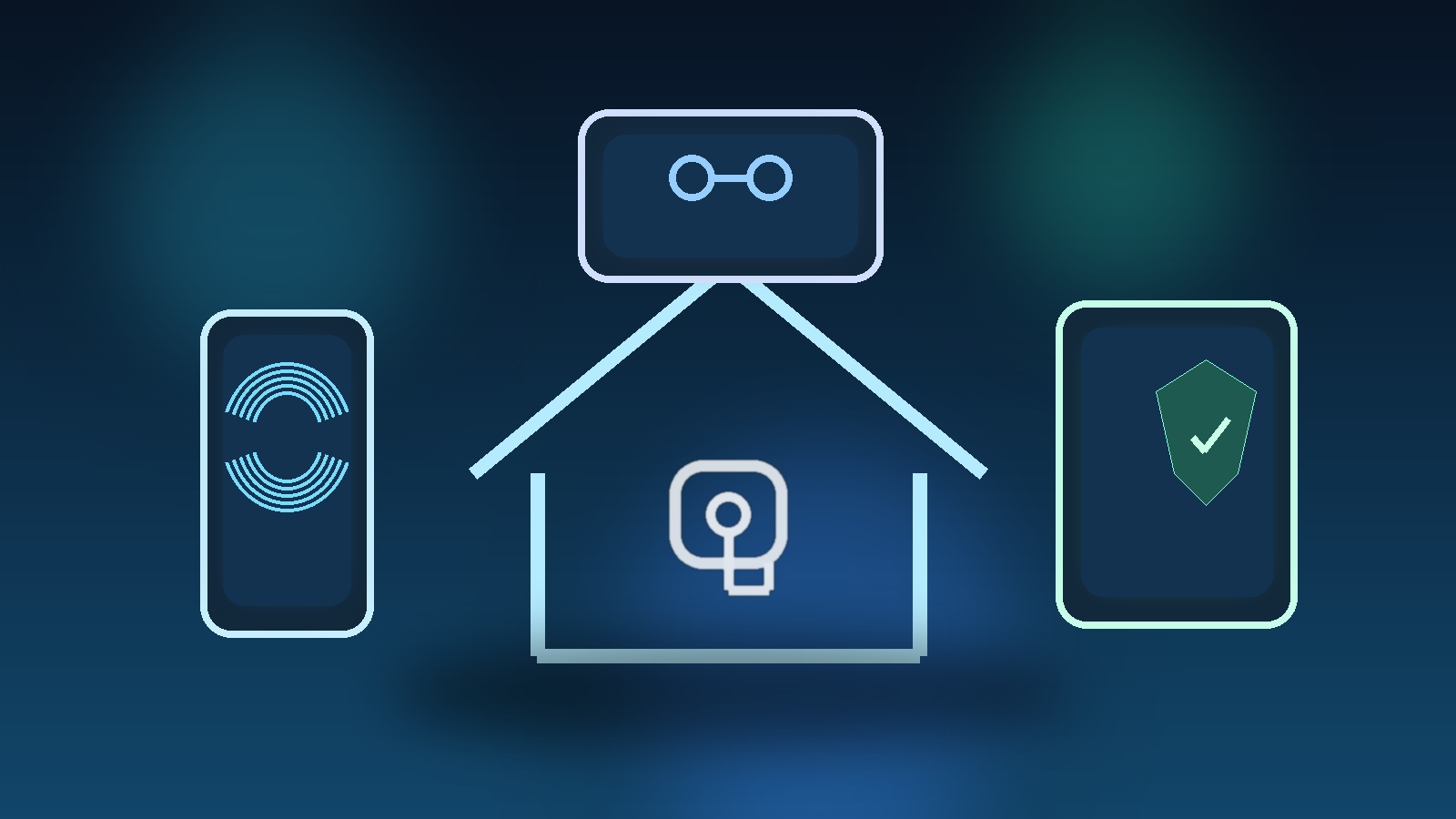
    That is why a family password manager needs a home base. Think of it as the household system around the tool: who has emergency access, where recovery details live, and how everyone handles new accounts without sliding back into shared notes, reused passwords, or frantic text messages.

    The App Is Not the System

    Many families adopt a password manager after one bad scare, like a hacked email account or a forgotten streaming login. That solves the most visible problem, but it does not automatically create a reliable process for everyday life. A vault full of strong passwords can still become a mess if only one person understands how it is organized.

    The healthier mindset is to treat the password manager like shared household infrastructure. It should be easy enough for the least technical person in the home to use, recover, and trust. If the system only works when the “tech person” is available, it is not finished.

    Decide What Belongs in the Shared Layer

    Not every login should be visible to every person, but some accounts are clearly household assets. Internet billing, utilities, shared shopping accounts, school portals, streaming services, smart home administration, and travel bookings all create friction when they live inside one person’s private mental map.

    A good family setup usually includes one shared collection for true household accounts and private vault spaces for individual logins. That balance keeps personal boundaries intact while still making sure the important family accounts do not disappear into a single phone or browser profile.

    Build an Emergency Access Plan Before You Need One

    The worst time to talk about recovery is after someone has already lost a device or failed a two-factor challenge too many times. Families should decide in advance who can request emergency access, how long the waiting period should be, and which accounts matter most in a real problem.

    This is also where passkeys, backup codes, and recovery email addresses need attention. A password manager can store those details safely, but only if the family intentionally puts them there and keeps them current. Otherwise the vault holds the front door key while the real lockout happens somewhere else.

    Make New Accounts Follow the Household Rule

    Most password chaos does not come from old accounts. It comes from new ones created in a hurry. A coupon app gets signed up with the wrong email address. A smart home service gets attached to one phone. A school portal lands in a browser that nobody else uses. Over time, those little shortcuts become hidden dependencies.

    A simple family rule fixes a lot of this: if the account affects more than one person, it gets created from the shared system on day one. That means generating the password in the manager, deciding who needs access, and saving any recovery details before moving on. It takes an extra minute up front and saves a surprising amount of future frustration.

    Keep the Setup Simple Enough to Survive Busy Weeks

    The best family security routine is not the most advanced one. It is the one people will still follow when they are tired, late, or distracted. That usually means fewer exceptions, clearer naming, and a short recurring review instead of a giant once-a-year cleanup that never happens.

    • Review shared accounts whenever a new device or service is added.
    • Check that recovery methods still point to the right phone numbers and email addresses.
    • Remove old logins for services the household no longer uses.
    • Confirm that at least two trusted adults can reach the important family accounts.

    That checklist is short on purpose. Families do not need a security department. They need a routine that lowers stress instead of adding more of it.

    The Real Goal Is Resilience, Not Perfection

    A family password manager works best when it reduces dependence on memory, heroics, and one highly technical person. The win is not just stronger passwords. It is a calmer household where account access keeps working even when devices change, people are busy, or something goes wrong.

    That is what a home base provides. It turns a security app into a family habit, and family habits are what actually hold up under pressure.

  • Passkeys for Families: A Practical Upgrade from Password Reuse

    Passkeys for Families: A Practical Upgrade from Password Reuse

    Passkeys sound like one more security buzzword until you watch a real family deal with password reuse, forgotten logins, and a shared tablet that keeps everybody signed in forever. For households that want better security without turning daily life into an IT job, passkeys are one of the few upgrades that are both safer and less annoying.

    They are not magic. You still need decent device habits, screen locks, and some basic judgment. But compared with the old pattern of weak passwords, saved browser logins, and repeated password reset emails, passkeys are a practical step forward for normal people.

    What passkeys actually change

    A passkey replaces the usual username-and-password dance with a sign-in method tied to your device. In plain English, that often means logging in with Face ID, a fingerprint, or your device PIN instead of remembering another secret phrase. The important security win is that there is no reusable password sitting around waiting to be guessed, leaked, or typed into a fake site.

    That matters for families because most household security failures are not dramatic hacks. They are ordinary habits: the same password used in five places, a kid reusing a parent’s pattern, or someone clicking a convincing login page from an email and typing everything in. Passkeys cut down a lot of that risk by design.

    Why families benefit more than power users think

    Security advice is often written for enthusiasts who enjoy tweaking settings. Families usually need the opposite. They need systems that keep working when people are tired, distracted, or in a hurry. Passkeys fit that reality better than complex password rules ever did.

    If a parent can unlock a banking app with the same face scan they already use on their phone, that is easier than remembering whether the password needed a symbol, a capital letter, and a number. If a teenager can sign in without inventing yet another variation of the same old password, that removes one of the most common weak points in the house.

    The right places to start first

    Do not try to migrate everything in one weekend. Start with accounts that matter most and that already support passkeys well. In most households, the first wave should be the services that can unlock everything else if they get compromised.

    • Email accounts because password resets for other services usually flow through them.
    • Banking and payment apps where the cost of a bad login is obvious and immediate.
    • Password managers if your chosen tool supports passkeys for account access.
    • Primary cloud accounts such as Apple, Google, or Microsoft, since they anchor devices, backups, and family sharing.

    That sequence gives the biggest payoff early. Once the core accounts are upgraded, you can move on to shopping sites, streaming accounts, and the rest of the digital clutter at a calmer pace.

    The shared-device trap nobody mentions enough

    Passkeys do not excuse sloppy device sharing. A family iPad left unlocked on the kitchen counter is still a problem, even if the account behind it uses modern authentication. The cleaner rule is simple: if a device is shared, it needs separate profiles when possible, a strong device lock, and a habit of logging out of sensitive accounts when the session is done.

    This is especially important for schoolwork, shopping, and email. A passkey makes it harder for outsiders to steal an account remotely, but it does not stop a sibling or guest from opening an app on an already-unlocked device. Good account security still depends on basic household boundaries.

    What to do before you switch

    Before enabling passkeys broadly, make sure the family has a recovery plan. Convenience is great right up until someone loses a phone or replaces a laptop unexpectedly. The boring setup work is what keeps a good security change from becoming a weekend disaster.

    • Confirm recovery email addresses and phone numbers are current.
    • Make sure at least one trusted adult understands account recovery for major services.
    • Keep device screen locks enabled and private.
    • Document which platforms hold the family’s most important passkeys.

    That preparation sounds dull, but it is the difference between “this is easier now” and “why did we lock ourselves out of everything?”

    Passkeys are not the whole security plan

    The best case for passkeys is not that they solve every risk. It is that they remove one of the most failure-prone parts of online life: human password behavior. Families still need software updates, healthy skepticism toward phishing, and some agreement about how shared devices are used. But replacing brittle passwords with device-based sign-in is one of the rare modern security upgrades that helps safety and convenience at the same time.

    That makes passkeys worth adopting, especially in households where the old system was already quietly failing.