Tag: parental controls

  • Why Family Streaming Devices Need Purchase Controls Before Someone Buys the Wrong Thing

    Why Family Streaming Devices Need Purchase Controls Before Someone Buys the Wrong Thing

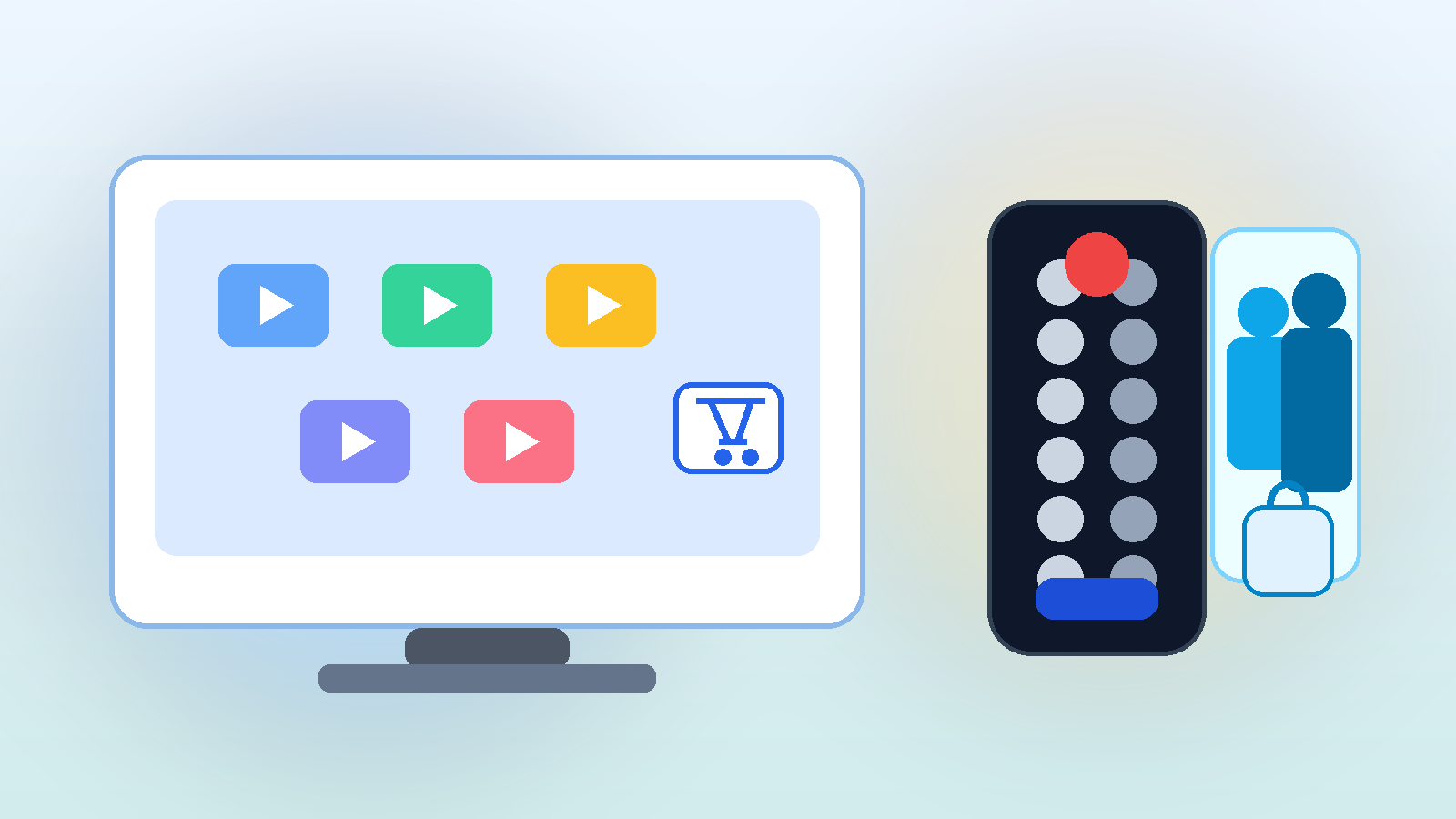
    Streaming devices are designed to feel frictionless. A remote is always nearby, the account is already signed in, and the next movie, rental, or app upgrade is only a few clicks away. That convenience is great when an adult is intentionally making a purchase, but it can turn into a minor household disaster when a child, guest, or distracted grown-up confirms a charge without really meaning to.

    Many families treat surprise digital purchases like random bad luck, but the real problem is usually missing guardrails. If a smart TV, streaming stick, tablet, or game console is connected to payment details, it deserves the same kind of basic controls people expect from any other checkout system. A little friction in the right place is a feature, not an annoyance.

    One-Click Buying Is Convenient Right Up Until It Is Not

    Streaming platforms work hard to reduce hesitation. That is not evil on its own. It is simply how digital storefronts are built. The trouble is that a household device is often shared by multiple people with very different judgment, attention, and permission levels. What feels like a seamless experience for one person can feel like a trap for everyone else when the bill arrives.

    Families run into this with rented movies, paid channel trials, in-app subscriptions, premium app upgrades, and accidental content purchases made by tapping through a bright menu too quickly. Once payment credentials are remembered on the device, the path from curiosity to charge can become absurdly short.

    Shared Living Room Devices Need Shared-Risk Thinking

    A streaming device in the living room is not really a personal gadget, even if one adult set it up. It is a household surface. Kids explore menus, relatives visit, babysitters hand over remotes, and adults themselves make sleepy late-night decisions they might reconsider in the morning. That means the device should be configured for the environment it lives in, not just for the person who first signed in.

    Thinking this way shifts the question from “Who messed up?” to “Why was an easy mistake so easy to make?” Good household tech defaults assume normal human behavior, including impatience, curiosity, and distraction.

    Add Friction Where Money Changes Hands

    The best streaming purchase control is not a complicated lecture. It is a simple prompt for a PIN, password, biometric confirmation, or separate approval step before real money leaves the account. Most families do not need to block every purchase forever. They just need to make accidental spending slightly harder than casual browsing.

    This is one of those cases where a tiny delay improves the whole system. A child who has to ask for help before confirming a rental is less likely to buy the wrong version. An adult who sees a payment prompt gets one extra second to realize they are accepting a recurring trial instead of a one-time movie night expense.

    Do Not Store More Payment Access Than You Actually Need

    Some households leave full purchasing power attached to every device because it feels easier than managing settings later. That works until the same device starts serving as a toy, babysitter screen, or guest entertainment hub. If a platform allows removing saved cards, limiting purchases, or requiring re-entry of payment details, those options are often worth using.

    The practical goal is to match payment convenience to the real-world risk of the device. A private office TV used by one adult may not need the same restrictions as the family room screen that everyone touches all weekend.

    Make the Rule Easy to Explain

    Household rules work better when they are short enough to remember. A good one is simple: browsing is fine, but buying always needs an adult check. That gives children a clear boundary without making the device feel forbidden or mysterious. It also gives adults a consistent standard for guests and other relatives.

    • Turn on purchase PINs or confirmation prompts anywhere the platform allows them.
    • Review saved payment methods on streaming boxes, smart TVs, tablets, and game consoles.
    • Disable one-click purchases on devices that children use regularly.
    • Check for free-trial settings that quietly roll into paid subscriptions.

    Those steps are boring in the best possible way. They prevent disputes, reduce refund headaches, and make the household budget less vulnerable to one impulsive button press.

    Review Digital Storefronts the Same Way You Review App Permissions

    Families already benefit from checking who can install apps, who can access location data, and which devices stay signed in. Streaming purchases deserve the same periodic review. If a device has not been checked in a year, there is a decent chance the account settings, subscription offers, and stored payment details have drifted into a more permissive state than anyone intended.

    A quick review once in a while is enough for most homes. The point is not to create a giant policy manual for movie night. It is to make sure entertainment stays entertaining instead of becoming a recurring source of preventable charges.

    Final Takeaway

    Streaming devices are easy to trust because they feel familiar and low-stakes. In reality, they are storefronts sitting in the middle of the house. If a device can spend money, it deserves intentional controls that reflect who uses it and how often.

    The smart default is simple: keep browsing easy, make buying deliberate, and treat living room tech like shared household infrastructure instead of harmless background noise.
  • Why Shared Family Tablets Need Separate Profiles

    Why Shared Family Tablets Need Separate Profiles

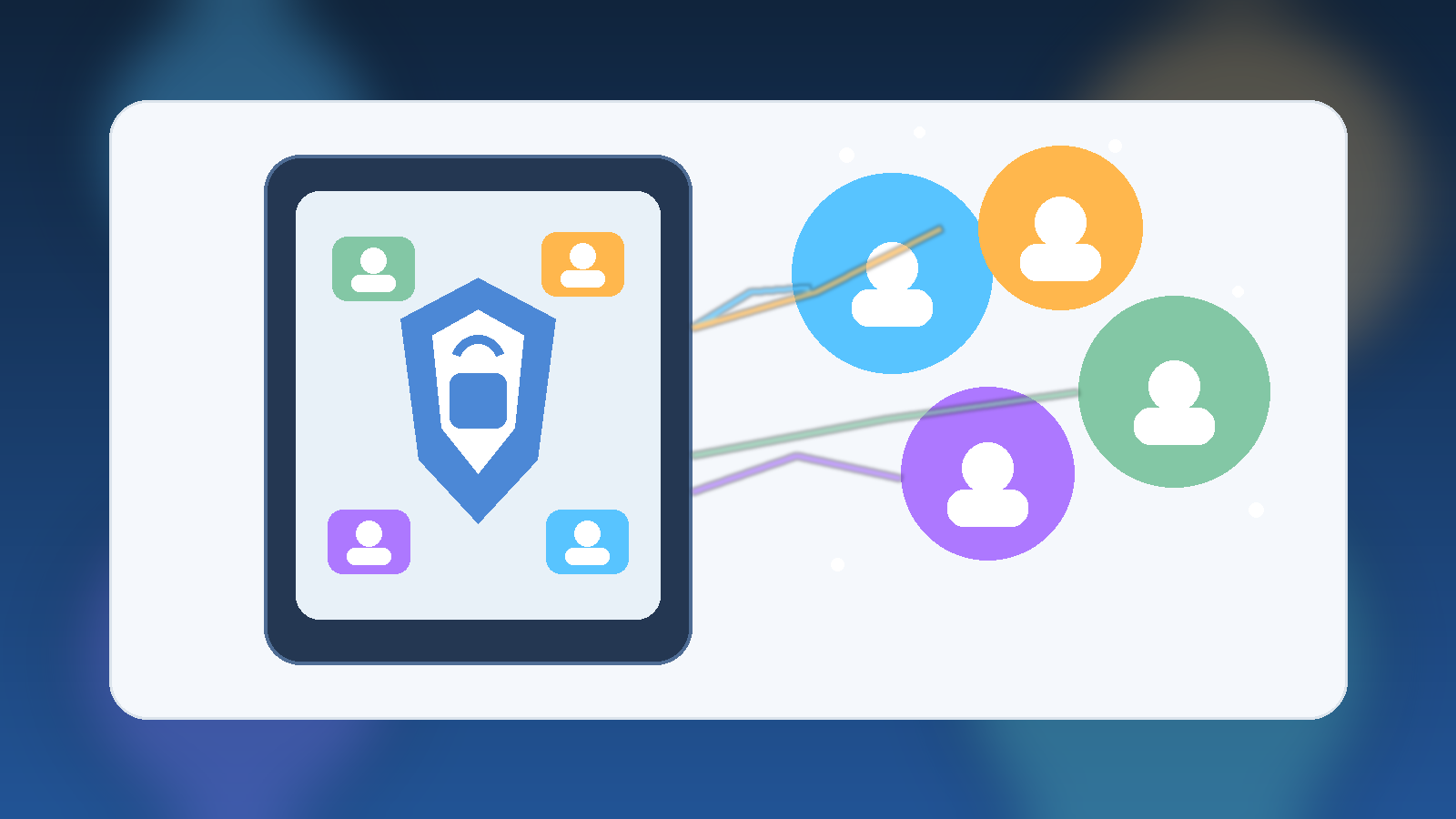
    Shared tablets sound convenient because one screen can handle school apps, games, streaming, homework, video calls, and quick web searches. The problem is that convenience often hides a messy mix of permissions, saved logins, accidental purchases, and private data crossing between adults and kids. When one device serves everyone, the safest default is not a single shared identity. It is separate profiles with clear boundaries.

    That setup does not need to be complicated. In fact, separate profiles are one of the simplest ways to make a family device feel less chaotic. They reduce privacy mistakes, make parental controls more realistic, and prevent a small convenience decision from becoming a security problem later.

    A Shared Screen Does Not Need Shared Access

    Families often treat a tablet like a kitchen appliance: if it is sitting on the counter, anyone can use it. That mindset is understandable, but software accounts do not work like toaster buttons. A signed-in email app, a cloud photo library, or a shopping account can expose far more than most people realize. Once a device starts remembering logins, payment methods, and recent activity, it is no longer just a neutral screen.

    Separate profiles restore the idea that each person should only see what they actually need. A parent profile can hold administrative settings, payment methods, and private communication. A child profile can limit app access, hide account settings, and keep browsing or watch history from mixing into adult accounts. The device is still shared, but access is no longer blurry.

    Profiles Prevent Small Mistakes From Turning Into Bigger Problems

    Many family tech headaches are not dramatic hacks. They are ordinary slips: a child opens a work chat, installs the wrong app, deletes photos, buys in-game currency, or taps through a permission prompt without understanding it. Those moments happen because the active session has too much power.

    Profile separation limits the blast radius. If a child profile cannot modify system settings, view adult email, or access a saved payment card, then the mistake stays small. That matters because good security is usually less about perfect behavior and more about containing inevitable human error.

    Parental Controls Work Better When They Match a Real User

    Parents sometimes try to enforce rules on a fully shared device and then wonder why the system feels inconsistent. The answer is simple: most controls are built around the idea of a specific user, not an honor system. Screen time limits, app approvals, content filters, and age-based restrictions work far better when the device knows which person is using it.

    That does not mean every family needs an elaborate device management strategy. It means the controls should attach to the child profile instead of the whole tablet. Otherwise adults end up fighting the same restrictions, or children inherit full access because disabling a setting is easier than managing it properly.

    Privacy Matters Even Inside a Household

    Families trust each other, but trust is not the same thing as universal access. Adults may have private health messages, banking notifications, work documents, or personal photos on the device. Kids may have school accounts, classroom messages, or saved projects that also deserve some separation. A healthy family tech setup respects that different people can share a home without sharing every account and every notification.

    This is especially important on tablets because they move around the house casually. A device used on the couch, at the table, in the car, and during travel creates more opportunities for someone to pick it up mid-session. A dedicated profile makes that handoff much safer than relying on everyone to remember which apps are off limits.

    Use a Strong Adult PIN and a Simpler Daily Routine

    Separate profiles are most effective when the adult or administrator profile has a real lock on it. That means a strong PIN, passcode, or biometric requirement for settings changes, new purchases, and account management. Without that second step, a child can still wander into the administrative side of the device the moment curiosity beats caution.

    At the same time, the daily routine should stay simple. Families are more likely to keep a secure setup if switching profiles is quick and predictable. The goal is not friction for its own sake. The goal is putting friction only around the actions that actually matter, such as spending money, changing restrictions, or opening private accounts.

    A Good Setup Usually Includes These Basics

    Most households do not need an advanced checklist, but a few defaults make a big difference:

    • Create a distinct child or guest profile instead of sharing the adult account.
    • Keep purchases, account changes, and system settings behind the adult PIN.
    • Turn on age-appropriate app restrictions and content filters for the child profile.
    • Use separate browsers or profile-specific browsing history where possible.
    • Review installed apps occasionally so the profile does not quietly drift into full-access mode.

    Those steps are not flashy, but they address the common failure modes families actually run into. More importantly, they are sustainable. A security habit that survives ordinary life is worth more than a perfect setup nobody maintains.

    Final Takeaway

    Shared family tablets work best when the hardware is communal but the access is personal. Separate profiles create clearer boundaries, better parental controls, and fewer accidental privacy or spending mistakes. They also make the device easier to manage because each user gets the experience that fits them instead of one overloaded account trying to serve everyone.

    If a household uses one tablet for many jobs, separate profiles are not overkill. They are the practical baseline that keeps a convenient device from becoming a sloppy one.