Tag: operations

  • Why Internal AI Teams Need Model Upgrade Runbooks Before They Swap Providers

    Why Internal AI Teams Need Model Upgrade Runbooks Before They Swap Providers

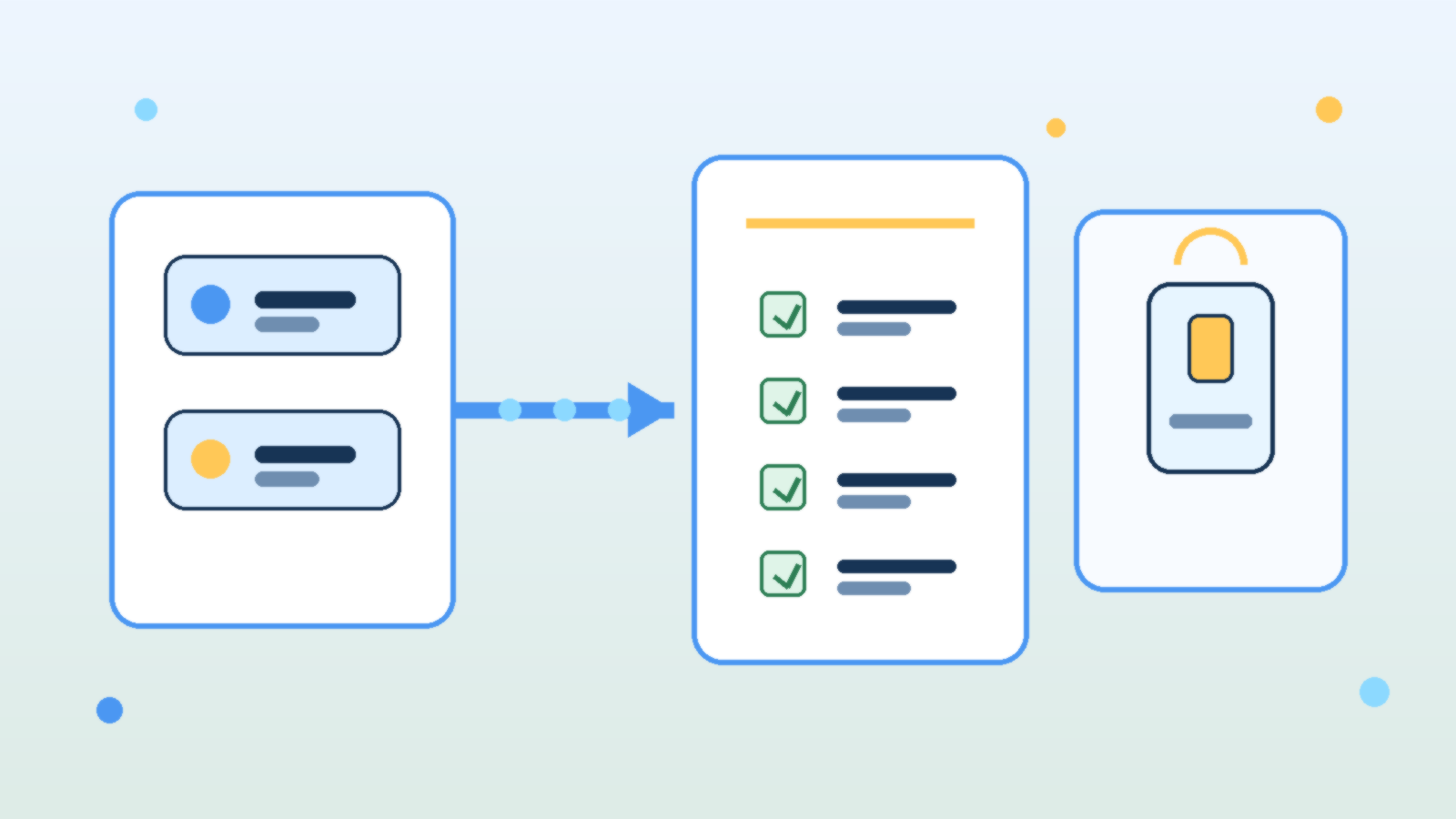
    Abstract illustration of AI model cards moving through a checklist into a production application panel

    Teams love to talk about model swaps as if they are simple configuration changes. In practice, changing from one LLM to another can alter output style, refusal behavior, latency, token usage, tool-calling reliability, and even the kinds of mistakes the system makes. If an internal AI product is already wired into real work, a model upgrade is an operational change, not just a settings tweak.

    That is why mature teams need a model upgrade runbook before they swap providers or major versions. A runbook forces the team to review what could break, what must be tested, who signs off, and how to roll back if the new model behaves differently under production pressure.

    Treat Model Changes Like Product Changes, Not Playground Experiments

    A model that looks impressive in a demo may still be a poor fit for a production workflow. Some models sound more confident while being less careful with facts. Others are cheaper but noticeably worse at following structured instructions. Some are faster but more fragile when long context, multi-step reasoning, or tool use enters the picture.

    The point is not that newer models are bad. The point is that every model has a behavioral profile, and changing that profile affects the product your users actually experience. If your team treats a model swap like a harmless backend refresh, you are likely to discover the differences only after customers or coworkers do.

    Document the Critical Behaviors You Cannot Afford to Lose

    Before any upgrade, the team should name the behaviors that matter most. That list usually includes answer quality, citation discipline, formatting consistency, safety boundaries, cost per task, tool-calling success, and latency under normal load. A runbook is useful because it turns vague concerns into explicit checks.

    Without that baseline, teams judge the new model by vibes. One person likes the tone, another likes the price, and nobody notices that JSON outputs started drifting, refusal rates changed, or the assistant now needs more retries to complete the same job. Operational clarity beats subjective enthusiasm here.

    Test Prompts, Guardrails, and Tools Together

    Prompt behavior rarely transfers perfectly across models. A system prompt that produced clean structured output on one provider may become overly verbose, too cautious, or unexpectedly brittle on another. The same goes for moderation settings, retrieval grounding, and function-calling schemas. A good runbook assumes that the whole stack needs validation, not just the model name.

    This is especially important for internal AI tools that trigger actions or surface sensitive knowledge. Teams should test realistic workflows end to end: the prompt, the retrieved context, the safety checks, the tool call, the final answer, and the failure path. A model that performs well in isolation can still create operational headaches when dropped into a real chain of dependencies.

    Plan for Cost and Latency Drift Before Finance or Users Notice

    Many upgrades are justified by capability gains, but those gains often come with a price profile or latency pattern that changes how the product feels. If the new model uses more tokens, refuses caching opportunities, or responds more slowly during peak periods, the product may become harder to budget or less pleasant to use even if answer quality improves.

    A runbook should require teams to test representative workloads, not just a few hand-picked prompts. That means checking throughput, token consumption, retry frequency, and timeout behavior on the tasks people actually run every day. Otherwise the first real benchmark becomes your production bill.

    Define Approval Gates and a Rollback Path

    The strongest runbooks include explicit approval gates. Someone should confirm that quality testing passed, safety checks still hold, cost impact is acceptable, and the user-facing experience is still aligned with the product’s purpose. This does not need to be bureaucratic theater, but it should be deliberate.

    Rollback matters just as much. If the upgraded model starts failing under live conditions, the team should know how to revert quickly without improvising credentials, prompts, or routing rules under stress. Fast rollback is one of the clearest signals that a team respects AI changes as operational work instead of magical experimentation.

    Capture What Changed So the Next Upgrade Is Easier

    Every model swap teaches something about your product. Maybe the new model required shorter tool instructions. Maybe it handled retrieval better but overused hedging language. Maybe it cut cost on simple tasks but struggled with the long documents your users depend on. Those lessons should be captured while they are fresh.

    This is where teams either get stronger or keep relearning the same pain. A short post-upgrade note about prompt changes, known regressions, evaluation results, and rollback conditions turns one migration into reusable operational knowledge.

    Final Takeaway

    Internal AI products are not stable just because the user interface stays the same. If the underlying model changes, the product changes too. Teams that treat upgrades like serious operational events usually catch regressions early, protect costs, and keep trust intact.

    The practical move is simple: build a runbook before you need one. When the next provider release or pricing shift arrives, you will be able to test, approve, and roll back with discipline instead of hoping the new model behaves exactly like the old one.

  • Azure Cost Reviews That Actually Work: A Weekly Checklist for Real Teams

    Azure Cost Reviews That Actually Work: A Weekly Checklist for Real Teams

    Most cost reviews fail because they happen too late and ask the wrong questions. A useful Azure cost review should be short, repeatable, and tied to actions the team can actually take that week.

    Start with the Biggest Movers

    The first step is not reviewing every single line item. Start by identifying the services, subscriptions, or resource groups that changed the most since the last review. Large movement usually tells a more useful story than absolute totals alone.

    This keeps the meeting focused. It is easier to explain a spike or drop when the change is recent and visible.

    Check for Idle or Mis-Sized Compute

    Compute is still one of the easiest places to waste money. Review virtual machines, node pools, and app services that are oversized or left running around the clock without a business reason.

    Even small rightsizing actions compound over time, especially across multiple environments.

    Review Storage Growth Before It Becomes Normal

    Storage growth often slips through because it feels harmless in the beginning. But backup copies, snapshots, logs, and old artifacts accumulate quietly until they become a meaningful part of the bill.

    A weekly check keeps this from turning into a quarterly surprise.

    Ask Which Spend Was Intentional

    Not every cost increase is bad. Some increases are the result of successful launches or higher demand. The real goal is separating intentional spend from accidental spend.

    That framing keeps the conversation practical and avoids treating every increase like a mistake.

    End Every Review with Assignments

    A cost review without owners is just reporting. Every flagged item should leave the meeting with a named person, an expected action, and a deadline for follow-up.

    This is what turns FinOps from a slide deck activity into an operational habit.

    Final Takeaway

    The best Azure cost review is not long or dramatic. It is a weekly routine that catches waste early, separates signal from noise, and leads to specific decisions.

  • When AI Automation Fails Quietly: 5 Warning Signs Teams Miss

    When AI Automation Fails Quietly: 5 Warning Signs Teams Miss

    AI automation does not always fail in dramatic ways. Sometimes it keeps running while quietly producing weaker results, missing edge cases, or increasing hidden operational risk. That kind of failure is especially dangerous because teams often notice it only after trust is already damaged.

    1) Output Quality Drifts Without Obvious Errors

    One of the first warning signs is that the system still appears healthy, but the work product slowly gets worse. Summaries become less precise, extracted data needs more cleanup, or drafted responses sound less helpful. Because nothing is crashing, these issues can hide in plain sight.

    This is why quality sampling matters. If no one reviews real outputs regularly, gradual decline can continue for weeks before anyone recognizes the pattern.

    2) Human Overrides Start Increasing

    When operators begin correcting the system more often, that is a signal. Even if those corrections are small, the rising override rate often means the automation is no longer saving as much time as expected.

    Teams should track override frequency the same way they track uptime. A stable system is not just available. It is useful without constant repair.

    3) Latency and Cost Rise Together

    If response time gets slower while costs climb, there is usually an underlying design issue. It may be unnecessary tool calls, bloated prompts, weak routing logic, or too much reliance on large models for simple tasks.

    That combination often appears before an obvious outage. Watching cost and latency together gives a much clearer picture than either metric alone.

    4) Edge Cases Get Handled Inconsistently

    A healthy automation system should fail in understandable ways. If the same unusual input sometimes works and sometimes breaks, the workflow is probably more brittle than it looks.

    Inconsistency is often a warning that the prompt, retrieval, or tool orchestration is under-specified. It usually means the system needs clearer guardrails, not just more model power.

    5) Teams Stop Trusting the System

    Once users start saying they need to double-check everything, the system has already crossed into a danger zone. Trust is expensive to rebuild. Even a technically functional workflow can become operationally useless if nobody believes it anymore.

    That is why AI reliability should be measured in business confidence as well as raw task completion.

    Final Takeaway

    Quiet failures are often more damaging than loud ones. The best defense is not blind optimism. It is regular review, clear metrics, and fast correction loops before small problems become normal behavior.

  • Cloud Governance That Scales: 7 Rules Practical Teams Follow

    Cloud Governance That Scales: 7 Rules Practical Teams Follow

    Cloud governance works best when it is boring, consistent, and hard to bypass. The strongest teams focus on repeatable rules instead of heroic cleanup efforts.

    Seven Practical Rules

    • Every resource needs an owner
    • Tagging is enforced, not suggested
    • Budgets are visible by team
    • Identity is reviewed regularly
    • Logging has named responders
    • Policies are versioned
    • Exceptions expire automatically

    Why This Matters

    Governance is what turns a growing cloud estate into an operating system instead of a pile of subscriptions and surprises.