Tag: enterprise search

  • How to Use Azure AI Search RBAC Without Turning One Index Into Everyone’s Data Shortcut

    How to Use Azure AI Search RBAC Without Turning One Index Into Everyone’s Data Shortcut

    Azure AI Search can make internal knowledge dramatically easier to find, but it can also create a quiet data exposure problem when teams index broadly and authorize loosely. The platform is fast enough that people often focus on relevance, latency, and chunking strategy before they slow down to ask a more important question: who should be able to retrieve which documents after they have been indexed?

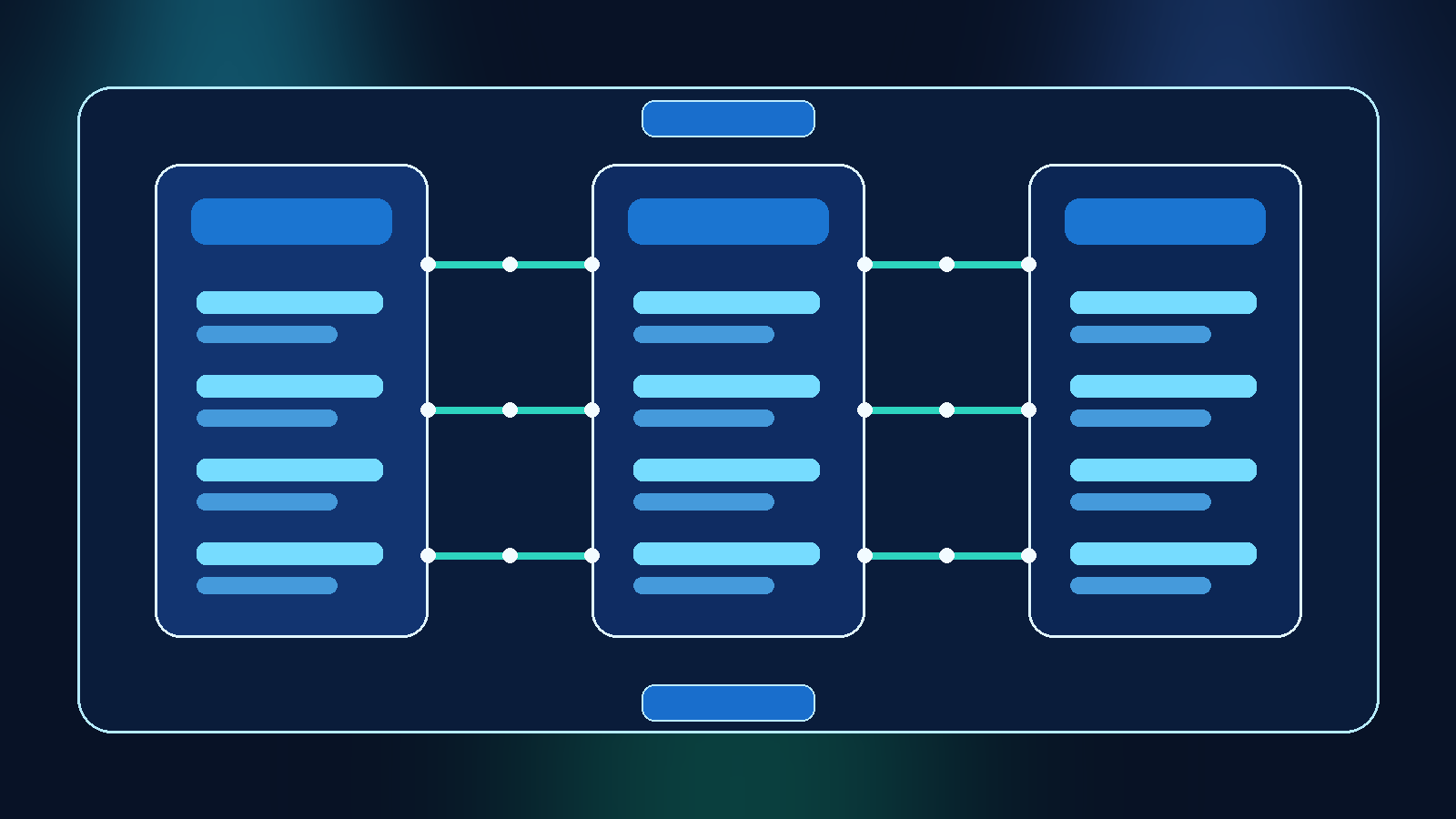
    That question matters because a search layer can become a shortcut around the controls that existed in the source systems. A SharePoint library might have careful permissions. A storage account might be segmented by team. A data repository might have obvious ownership. Once everything flows into a shared search service, the wrong access model can flatten those boundaries and make one index feel like a universal answer engine.

    Why search becomes a governance problem faster than people expect

    Many teams start with the right intent. They want a useful internal copilot, a better document search experience, or an AI assistant that can ground answers in company knowledge. The first pilot often works because the dataset is small and the stakeholders are close to the project. Then the service gains momentum, more connectors are added, and suddenly the same index is being treated as a shared enterprise layer.

    That is where trouble starts. If access is enforced only at the application layer, every new app, plugin, or workflow must reimplement the same authorization logic correctly. If one client gets it wrong, the search tier may still return content the user should never have seen. A strong design assumes that retrieval boundaries need to survive beyond a single front end.

    Use RBAC to separate platform administration from content access

    The first practical step is to stop treating administrative access and content access as the same thing. Azure roles that let someone manage the service are not the same as rules that determine what content a user should retrieve. Platform teams need enough privilege to operate the search service, but they should not automatically become broad readers of every indexed dataset unless the business case truly requires it.

    This separation matters operationally too. When a service owner can create indexes, manage skillsets, and tune performance, that does not mean they should inherit unrestricted visibility into HR files, finance records, or sensitive legal material. Distinct role boundaries reduce the blast radius of routine operations and make reviews easier later.

    Keep indexes aligned to real data ownership boundaries

    One of the most common design mistakes is building a giant shared index because it feels efficient at the start. In practice, the better pattern is usually to align indexes with a real ownership boundary such as business unit, sensitivity tier, or workload purpose. That creates a structure that mirrors how people already think about access.

    A separate index strategy is not always required for every team, but the default should lean toward intentional segmentation instead of convenience-driven aggregation. When content with different sensitivity levels lands in the same retrieval pool, exceptions multiply and governance gets harder. Smaller, purpose-built indexes often produce cleaner operations than one massive index with fragile filtering rules.

    Apply document-level filtering only when the metadata is trustworthy

    Sometimes teams do need shared infrastructure with document-level filtering. That can work, but only when the security metadata is accurate, complete, and maintained as part of the indexing pipeline. If a document loses its group mapping, keeps a stale entitlement value, or arrives without the expected sensitivity label, the retrieval layer may quietly drift away from the source-of-truth permissions.

    This is why security filtering should be treated as a data quality problem as much as an authorization problem. The index must carry the right access attributes, the ingestion process must validate them, and failures should be visible instead of silently tolerated. Trusting filters without validating the underlying metadata is how teams create a false sense of safety.

    Design for group-based access, not one-off exceptions

    Search authorization becomes brittle when it is built around hand-maintained exceptions. A handful of manual allowlists may seem manageable during a pilot, but they turn into cleanup debt as the project grows. Group-based access, ideally mapped to identity systems people already govern, gives teams a model they can audit and explain.

    The discipline here is simple: if a person should see a set of documents, that should usually be because they belong to a governed group or role, not because someone patched them into a custom rule six months ago. The more access control depends on special cases, the less confidence you should have in the retrieval layer over time.

    Test retrieval boundaries the same way you test relevance

    Search teams are usually good at testing whether a document can be found. They are often less disciplined about testing whether a document is hidden from the wrong user. Both matter. A retrieval system that is highly relevant for the wrong audience is still a failure.

    A practical review process includes negative tests for sensitive content, role-based test accounts, and sampled queries that try to cross known boundaries. If an HR user, a finance user, and a general employee all ask overlapping questions, the returned results should reflect their actual entitlements. This kind of testing should happen before launch and after any indexing or identity changes.

    Make auditability part of the design, not an afterthought

    If a search service supports an internal AI assistant, someone will eventually ask why a result was returned. Good teams plan for that moment early. They keep enough logging to trace which index responded, which filters were applied, which identity context was used, and which connector supplied the content.

    That does not mean keeping reckless amounts of sensitive query data forever. It means retaining enough evidence to review incidents, validate policy, and prove that access controls are doing what the design says they should do. Without auditability, every retrieval issue becomes an argument instead of an investigation.

    Final takeaway

    Azure AI Search is powerful precisely because it turns scattered content into something accessible. That same strength can become a weakness if teams treat retrieval as a neutral utility instead of a governed access path. The safest pattern is to keep platform roles separate from content permissions, align indexes to real ownership boundaries, validate security metadata, and test who cannot see results just as aggressively as you test who can.

    A search index should make knowledge easier to reach, not easier to overshare. If the RBAC model cannot explain why a result is visible, the design is not finished yet.

  • Why AI Knowledge Connectors Need Scope Boundaries Before Search Starts Oversharing

    Why AI Knowledge Connectors Need Scope Boundaries Before Search Starts Oversharing

    The fastest way to make an internal AI assistant look useful is to connect it to more content. Team sites, document libraries, ticket systems, shared drives, wikis, chat exports, and internal knowledge bases all promise richer answers. The problem is that connector growth can outpace governance. When that happens, the assistant does not become smarter in a responsible way. It becomes more likely to retrieve something that was technically reachable but contextually inappropriate.

    That is the real risk with AI knowledge connectors. Oversharing often does not come from a dramatic breach. It comes from weak scoping, inherited permissions that nobody reviewed closely, and retrieval pipelines that treat all accessible content as equally appropriate for every question. If a team wants internal AI search to stay useful and trustworthy, scope boundaries need to come before connector sprawl.

    Connector reach is not the same thing as justified access

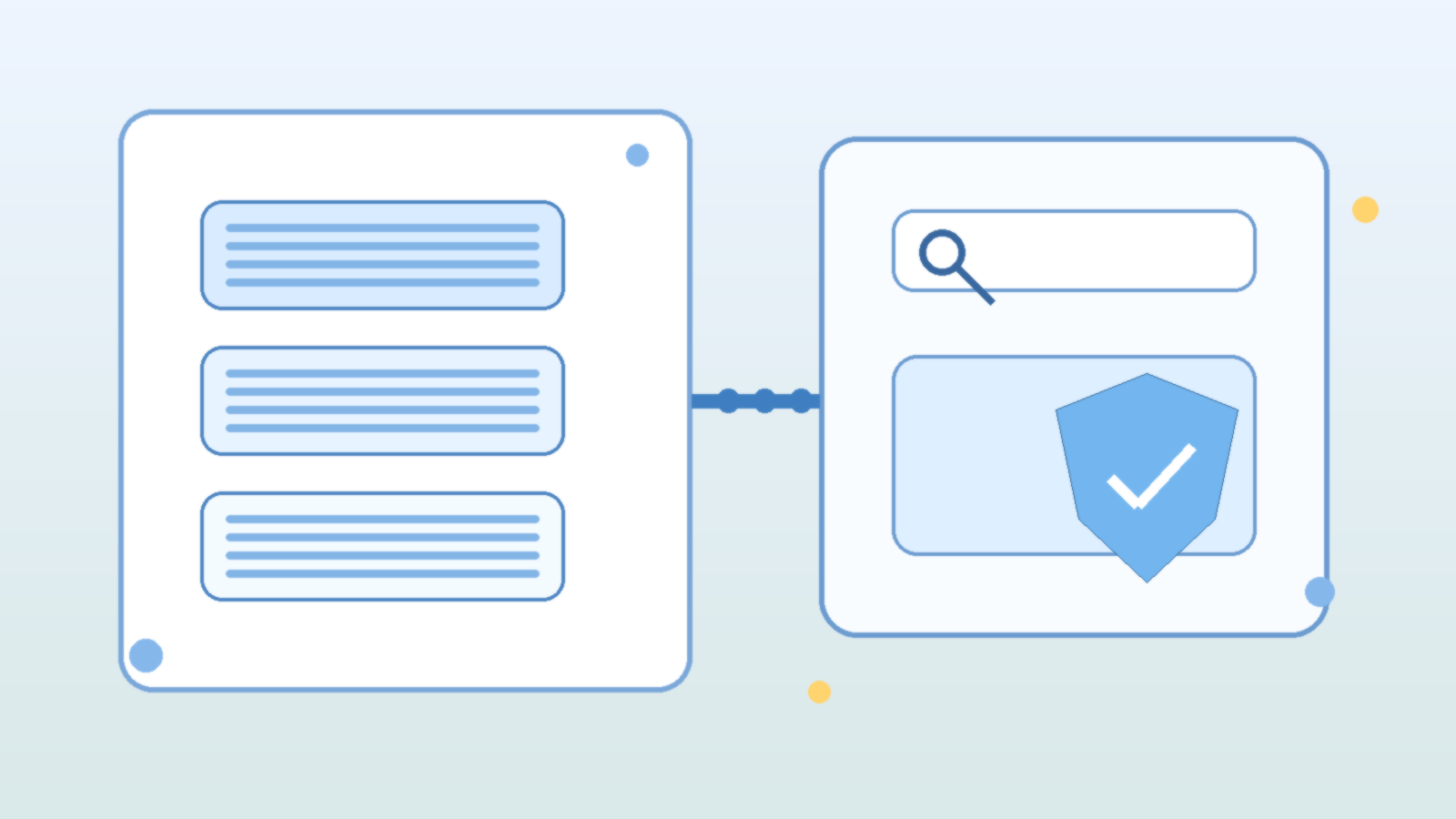
    A common mistake is to assume that if a system account can read a repository, then the AI layer should be allowed to index it broadly. That logic skips an important governance question. Technical reach only proves the connector can access the content. It does not prove that the content should be available for retrieval across every workflow, assistant, or user group.

    This matters because repositories often contain mixed-sensitivity material. A single SharePoint site or file share may hold general guidance, manager-only notes, draft contracts, procurement discussions, or support cases with customer data. If an AI retrieval process ingests the whole source without sharper boundaries, the system can end up surfacing information in contexts that feel harmless to the software and uncomfortable to the humans using it.

    The safest default is narrower than most teams expect

    Teams often start with broad indexing because it is easier to explain in a demo. More content usually improves the odds of getting an answer, at least in the short term. But a strong production posture starts narrower. Index what supports the intended use case, verify the quality of the answers, and only then expand carefully.

    That narrow-first model forces useful discipline. It makes teams define the assistant’s job, the audience it serves, and the classes of content it truly needs. It also reduces the cleanup burden later. Once a connector has already been positioned as a universal answer engine, taking content away feels like a regression even when the original scope was overly generous.

    Treat retrieval domains as products, not plumbing

    One practical way to improve governance is to stop thinking about connectors as background plumbing. A retrieval domain should have an owner, a documented purpose, an approved audience, and a review path for scope changes. If a connector feeds a help desk copilot, that connector should not quietly evolve into an all-purpose search layer for finance, HR, engineering, and executive material just because the underlying platform allows it.

    Ownership matters here because connector decisions are rarely neutral. Someone needs to answer why a source belongs in the domain, what sensitivity assumptions apply, and how removal or exception handling works. Without that accountability, retrieval estates tend to grow through convenience rather than intent.

    Inherited permissions still need policy review

    Many teams rely on source-system permissions as the main safety boundary. That is useful, but it is not enough by itself. Source permissions may be stale, overly broad, or designed for occasional human browsing rather than machine-assisted retrieval at scale. An AI assistant can make obscure documents feel much more discoverable than they were before.

    That change in discoverability is exactly why inherited access deserves a second policy review. A document that sat quietly in a large folder for two years may become materially more exposed once a conversational interface can summarize it instantly. Governance teams should ask not only whether access is technically inherited, but whether the resulting retrieval behavior matches the business intent behind that access.

    Metadata and segmentation reduce quiet mistakes

    Better scoping usually depends on better segmentation. Labels, sensitivity markers, business domain tags, repository ownership data, and lifecycle state all help a retrieval system decide what belongs where. Without metadata, teams are left with crude include-or-exclude decisions at the connector level. With metadata, they can create more precise boundaries.

    For example, a connector might be allowed to pull only published procedures, approved knowledge articles, and current policy documents while excluding drafts, investigation notes, and expired content. That sort of rule set does not eliminate judgment calls, but it turns scope control into an operational practice instead of a one-time guess.

    Separate answer quality from content quantity

    Another trap is equating a better answer rate with a better operating model. A broader connector set can improve answer coverage while still making the system less governable. That is why production reviews should measure more than relevance. Teams should also ask whether answers come from the right repositories, whether citations point to appropriate sources, and whether the assistant routinely pulls material outside the intended domain.

    Those checks are especially important for executive copilots, enterprise search assistants, and general-purpose internal help tools. The moment an assistant is marketed as a fast path to institutional knowledge, users will test its boundaries. If the system occasionally answers with content from the wrong operational lane, confidence drops quickly.

    Scope expansion should follow a change process

    Connector sprawl often happens one small exception at a time. Someone wants one more library included. Another team asks for access to a new knowledge base. A pilot grows into production without anyone revisiting the original assumptions. To prevent that drift, connector changes should move through a lightweight but explicit change process.

    That process does not need to be painful. It just needs to capture the source being added, the audience, the expected value, the sensitivity concerns, the rollback path, and the owner approving the change. The discipline is worth it because retrieval mistakes are easier to prevent than to explain after screenshots start circulating.

    Logging should show what the assistant searched, not only what it answered

    If a team wants to investigate oversharing risk seriously, answer logs are only part of the story. It is also useful to know which repositories were queried, which documents were considered relevant, and which scope filters were applied. That level of visibility helps teams distinguish between a bad answer, a bad ranking result, and a bad connector design.

    It also supports routine governance. If a supposedly narrow assistant keeps reaching into repositories outside its intended lane, something in the scope model is already drifting. Catching that early is much better than learning about it when a user notices a citation that should never have appeared.

    Trustworthy AI search comes from boundaries, not bravado

    Internal AI search can absolutely be valuable. People do want faster access to useful knowledge, and connectors are part of how that happens. But the teams that keep trust are usually the ones that resist the urge to connect everything first and rationalize it later.

    Strong retrieval systems are built with clear scope boundaries, accountable ownership, metadata-aware filtering, and deliberate change control. That does not make them less useful. It makes them safe enough to stay useful after the novelty wears off. If a team wants AI search to scale beyond demos, the smartest move is to govern connector scope before the assistant starts oversharing for them.

  • Why Every RAG Project Needs a Content Freshness Policy Before Users Trust the Answers

    Why Every RAG Project Needs a Content Freshness Policy Before Users Trust the Answers

    Retrieval-augmented generation, usually shortened to RAG, often gets pitched as the practical fix for stale model knowledge. Instead of relying only on a model’s training data, a RAG system pulls in documents from your own environment and uses them as context for an answer. That sounds reassuring, but it creates a new problem that many teams underestimate: the system is only as trustworthy as the freshness of the content it retrieves.

    If outdated policies, old product notes, retired architecture diagrams, or superseded runbooks stay in the retrievable set for too long, the model will happily cite and summarize them. To an end user, the answer still looks polished and current. Under the hood, however, the system may be grounding itself in documents that no longer reflect reality.

    Fresh Retrieval Is Not the Same Thing as Accurate Retrieval

    Many RAG conversations focus on ranking quality, chunking strategy, vector similarity, and prompt templates. Those matter, but they do not solve the governance problem. A retriever can be technically excellent and still return the wrong material if the index contains stale, duplicated, or no-longer-approved content.

    This is why freshness needs to be treated as a first-class quality signal. When users ask about pricing, internal procedures, product capabilities, or security controls, they are usually asking for the current truth, not the most semantically similar historical answer.

    Stale Context Creates Quiet Failure Modes

    The dangerous part of stale context is that it does not usually fail in dramatic ways. A RAG system rarely announces that its source document was archived nine months ago or that a newer policy replaced the one it found. Instead, it produces an answer that sounds measured, complete, and useful.

    That kind of failure is hard to catch because it blends into normal success. A support assistant may quote an obsolete escalation path. A security copilot may recommend an access pattern that the organization already banned. An internal knowledge bot may pull from a migration guide that applied before the platform team changed standards. The result is not just inaccuracy. It is misplaced trust.

    Every Corpus Needs Lifecycle Rules

    A content freshness policy gives the retrieval layer a lifecycle instead of a pileup. Teams should define which sources are authoritative, how often they are re-indexed, when documents expire, and what happens when a source is replaced or retired. Without those rules, the corpus tends to grow forever, and old material keeps competing with the documents people actually want the assistant to use.

    The policy does not have to be complicated, but it does need to be explicit. A useful starting point is to classify sources by operational sensitivity and change frequency. Security standards, HR policies, pricing pages, API references, incident runbooks, and architecture decisions all age differently. Treating them as if they share the same refresh cycle is a shortcut to drift.

    • Define source owners for each indexed content domain.
    • Set expected refresh windows based on how quickly the source changes.
    • Mark superseded or archived documents so they drop out of normal retrieval.
    • Record version metadata that can be shown to users or reviewers.

    Metadata Should Help the Model, Not Just the Admin

    Freshness policies work better when metadata is usable at inference time, not just during indexing. If the retrieval layer knows a document’s publication date, review date, owner, status, and superseded-by relationship, it can make better ranking decisions before the model ever starts writing.

    That same metadata can also support safer answer generation. For example, a system can prefer reviewed documents, down-rank stale ones, or warn the user when the strongest matching source is older than the expected freshness window. Those controls turn freshness from an internal maintenance task into a visible trust feature.

    Trust Improves When the System Admits Its Boundaries

    One of the smartest things a RAG product can do is refuse false confidence. If the newest authoritative document is too old, missing, or contradictory, the assistant should say so clearly. That may feel less impressive than producing a seamless answer, but it is much better for long-term credibility.

    In practice, this means designing for uncertainty. A mature implementation might respond with the best available answer while also exposing source dates, linking to the underlying documents, or noting that the most relevant policy has not been reviewed recently. Users do not need perfection. They need enough signal to judge whether the answer is current enough to act on.

    Freshness Is a Product Decision, Not Just an Indexing Job

    It is tempting to assign content freshness to the search pipeline and call it done. In reality, this is a cross-functional decision involving platform owners, content teams, security reviewers, and product leads. The retrieval layer reflects the organization’s habits. If content ownership is vague and document retirement is inconsistent, the RAG experience will eventually inherit that chaos.

    The strongest teams treat freshness like part of product quality. They decide what “current enough” means for each use case, measure it, and design visible safeguards around it. That is how a RAG assistant stops being a demo and starts becoming something people can rely on.

    Final Takeaway

    RAG does not remove the need for knowledge management. It raises the cost of doing it badly. If your system retrieves content that is old, superseded, or ownerless, the model can turn that drift into confident-looking answers at scale.

    A content freshness policy is what keeps retrieval grounded in the present instead of the archive. Before users trust your answers, make sure your corpus has rules for staying current.