Tag: Digital Safety

  • Why Family Laptops Should Use Separate Browser Profiles Instead of One Shared Browser

    Why Family Laptops Should Use Separate Browser Profiles Instead of One Shared Browser

    A family laptop often starts with good intentions. It sits in a kitchen, living room, or shared workspace, and everyone uses the same browser because it feels convenient. Then little problems start piling up: the wrong account stays signed in, autofill exposes private details, bookmarks turn into clutter, and one person’s search history changes what everyone else sees.

    None of that feels dramatic at first, which is exactly why it gets ignored. A shared browser on a shared computer quietly mixes privacy, security, and usability into one messy pile. The easier fix is not buying more hardware. It is giving each regular user their own browser profile.

    One Shared Browser Blends Too Many Digital Lives

    Browsers remember a surprising amount. They keep passwords, payment suggestions, browsing history, synced tabs, extension settings, and account sessions. When a household treats all of that as communal by default, people start bumping into each other’s digital lives in ways that are awkward at best and risky at worst.

    A teenager should not accidentally open a parent’s work email because the tab was still active. A spouse should not have to wonder whether saved cards are being exposed in checkout screens. Even in very trusting homes, convenience has a way of leaking more context than anyone intended to share.

    Separate Profiles Clean Up the Everyday Experience

    The biggest win is often practical, not philosophical. Separate profiles give each person their own bookmarks, open tabs, extensions, theme, and sign-in state. That means the browser stops feeling like a digital junk drawer and starts behaving more like a personalized workspace.

    This also reduces accidental mistakes. When Alex opens the laptop, Alex sees Alex’s accounts. When a child opens it, they land in a different profile with different defaults. That small separation removes a lot of friction before it turns into confusion.

    Profiles Are Also a Quiet Security Upgrade

    Separate browser profiles do not replace good device security, but they do shrink the blast radius of normal family life. Saved passwords stay tied to the right person. Browser extensions for work or school do not automatically affect everyone else. Sync settings become more intentional instead of silently blending accounts together.

    That matters most on laptops that move around the house or leave the house entirely. If one profile is signed in everywhere and used by everyone, a stolen or misplaced device can expose far more than the family realized. Clear profile boundaries make cleanup and account recovery less chaotic.

    Create a Real Guest Option for Short-Term Use

    Not every person touching the laptop needs a full profile. Visiting relatives, a babysitter helping with school pickup information, or a friend checking directions usually need temporary access, not a permanent digital footprint on the machine. Guest mode exists for a reason, and households should use it.

    That keeps temporary browsing separate from the family’s regular habits while also avoiding the bad shortcut of handing someone a signed-in personal window. It is a simple boundary, but it prevents a lot of accidental exposure.

    Keep the Setup Simple Enough to Stick

    The best household system is one people will actually use. That usually means giving each regular user a clearly named browser profile, pinning the browser icon where everyone can find it, and explaining the difference between personal profiles and guest access in one sentence. If the rule is too complicated, people will ignore it and fall back to the shared profile out of habit.

    A little setup work now prevents a lot of digital housekeeping later. The goal is not to make the family laptop feel locked down. It is to make it feel orderly, respectful, and easier for everyone to use without stepping on each other.

    Final Takeaway

    When a household shares one laptop, sharing one browser profile feels harmless because it is familiar. In practice, it creates unnecessary mess and avoidable privacy leaks. Separate profiles are one of those rare tech habits that improve security and convenience at the same time.

    If a family computer still runs through one giant shared browser, that is an easy upgrade to fix this week. Give each person their own profile, keep guest use temporary, and let the laptop stop pretending every user is the same person.
  • Why Family Location Sharing Needs an Off Switch for School, Sleep, and Private Time

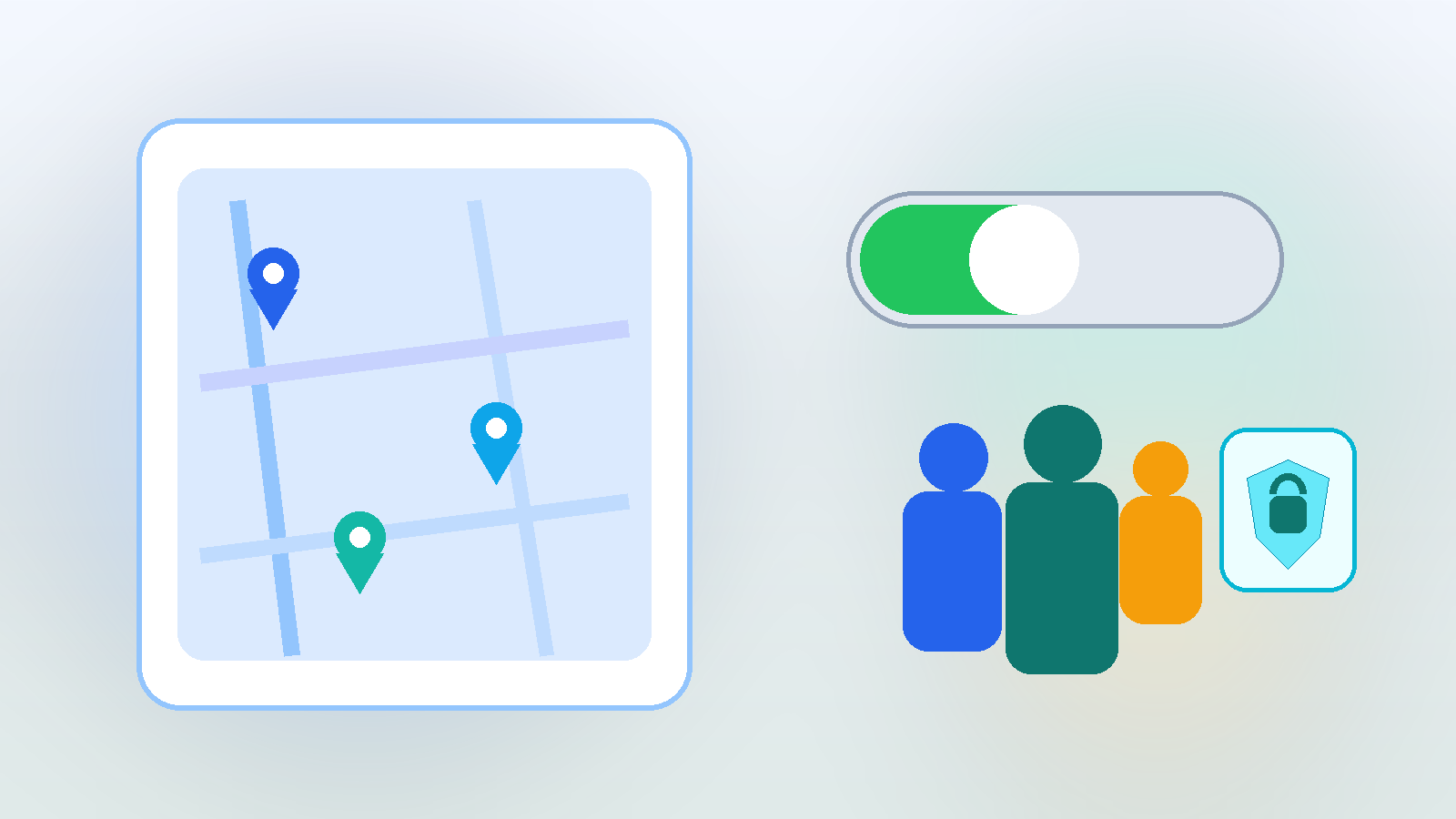
    Why Family Location Sharing Needs an Off Switch for School, Sleep, and Private Time

    Family location sharing can be genuinely useful. It helps parents confirm that a child got to practice, lets a spouse know the other person is still on the road, and makes it easier to coordinate pickups when plans shift at the last minute. In the right context, it reduces friction and adds peace of mind.

    The trouble starts when a practical safety tool quietly becomes permanent background surveillance. A feature that feels reassuring during travel or emergencies can become invasive when it stays on all the time without clear boundaries. Families usually do better when location sharing is treated like a situational tool, not a default entitlement.

    Useful Does Not Mean Unlimited

    Location sharing often gets framed as a simple choice between safety and privacy, which is a lazy way to think about it. Real family life is more nuanced than that. A teenager walking home after a late event is different from a teenager sitting in class. A partner on a road trip is different from a partner trying to have a quiet hour without being tracked by default.

    That is why families need rules about when location sharing helps and when it stops being appropriate. The point is not to reject the feature. The point is to keep it aligned with actual needs instead of letting the app decide the social norm.

    School Time Is Not the Same as Travel Time

    Many parents turn on location sharing for a good reason, then forget to revisit the setting once the immediate reason passes. Over time, that can normalize checking on someone who is simply going through an ordinary school day. For younger children, some visibility may make sense. For older kids, constant passive monitoring can create tension without adding much real safety.

    A better approach is to tie the setting to context. Big transitions, late pickups, long drives, public events, and unfamiliar routes are strong reasons to use it. Sitting in algebra class usually is not. Families that name the difference out loud tend to build more trust than families that leave the setting permanently enabled and never discuss it again.

    Sleep and Downtime Need Privacy Too

    Tech boundaries are not only for children. Adults also deserve parts of the day that are not quietly translated into data points for everyone else. If someone is home for the night, asleep, or simply having private downtime, constant location visibility often adds more habit than value. People should not have to justify every still moment on a map.

    This matters because family trust is shaped by defaults. When every movement is visible all the time, it becomes easy to ask low-value questions just because the information exists. That can make normal life feel strangely audited. A small off switch restores the idea that care does not require perpetual observation.

    Private Time Is Not Suspicious Time

    One of the worst habits around location sharing is treating any desire for privacy as proof that something is wrong. That logic poisons the entire tool. Wanting space, wanting to meet a friend without commentary, or wanting a quiet errand without live updates is not the same thing as deception. Healthy families leave room for ordinary privacy.

    If the household rule implies that turning off sharing always triggers conflict, then the feature is no longer serving coordination. It is serving control. That is the moment to step back and reset expectations before resentment becomes the real outcome.

    Make the Boundaries Simple Enough to Use

    Most families do not need a giant policy document. They need a rule simple enough to remember in real life. For example: use location sharing for travel, pickups, and unusual situations; turn it off during normal school hours, sleep, and routine private time unless everyone agrees otherwise. That kind of rule is practical because it matches actual use cases.

    • Turn sharing on for rides, events, late arrivals, and unfamiliar destinations.
    • Review which apps have location access and whether they really need it.
    • Talk about what counts as a normal privacy window instead of making people guess.
    • Revisit the settings after emergencies so temporary tracking does not become permanent habit.

    Those steps are not complicated, but they do something important. They make the feature intentional again. Intentional tools create confidence. Unexamined defaults create friction.

    Final Takeaway

    Family location sharing works best when it is tied to specific moments that actually benefit from visibility. It works worst when it becomes a silent expectation that everyone should always be trackable. Safety matters, but so does dignity, and strong households need both.

    The smart default is not “always on” or “never use it.” It is simpler than that: share location when the situation calls for coordination or protection, and keep an obvious off switch for school, sleep, and private time.

  • Why Family Streaming Devices Need Purchase Controls Before Someone Buys the Wrong Thing

    Why Family Streaming Devices Need Purchase Controls Before Someone Buys the Wrong Thing

    Streaming devices are designed to feel frictionless. A remote is always nearby, the account is already signed in, and the next movie, rental, or app upgrade is only a few clicks away. That convenience is great when an adult is intentionally making a purchase, but it can turn into a minor household disaster when a child, guest, or distracted grown-up confirms a charge without really meaning to.

    Many families treat surprise digital purchases like random bad luck, but the real problem is usually missing guardrails. If a smart TV, streaming stick, tablet, or game console is connected to payment details, it deserves the same kind of basic controls people expect from any other checkout system. A little friction in the right place is a feature, not an annoyance.

    One-Click Buying Is Convenient Right Up Until It Is Not

    Streaming platforms work hard to reduce hesitation. That is not evil on its own. It is simply how digital storefronts are built. The trouble is that a household device is often shared by multiple people with very different judgment, attention, and permission levels. What feels like a seamless experience for one person can feel like a trap for everyone else when the bill arrives.

    Families run into this with rented movies, paid channel trials, in-app subscriptions, premium app upgrades, and accidental content purchases made by tapping through a bright menu too quickly. Once payment credentials are remembered on the device, the path from curiosity to charge can become absurdly short.

    Shared Living Room Devices Need Shared-Risk Thinking

    A streaming device in the living room is not really a personal gadget, even if one adult set it up. It is a household surface. Kids explore menus, relatives visit, babysitters hand over remotes, and adults themselves make sleepy late-night decisions they might reconsider in the morning. That means the device should be configured for the environment it lives in, not just for the person who first signed in.

    Thinking this way shifts the question from “Who messed up?” to “Why was an easy mistake so easy to make?” Good household tech defaults assume normal human behavior, including impatience, curiosity, and distraction.

    Add Friction Where Money Changes Hands

    The best streaming purchase control is not a complicated lecture. It is a simple prompt for a PIN, password, biometric confirmation, or separate approval step before real money leaves the account. Most families do not need to block every purchase forever. They just need to make accidental spending slightly harder than casual browsing.

    This is one of those cases where a tiny delay improves the whole system. A child who has to ask for help before confirming a rental is less likely to buy the wrong version. An adult who sees a payment prompt gets one extra second to realize they are accepting a recurring trial instead of a one-time movie night expense.

    Do Not Store More Payment Access Than You Actually Need

    Some households leave full purchasing power attached to every device because it feels easier than managing settings later. That works until the same device starts serving as a toy, babysitter screen, or guest entertainment hub. If a platform allows removing saved cards, limiting purchases, or requiring re-entry of payment details, those options are often worth using.

    The practical goal is to match payment convenience to the real-world risk of the device. A private office TV used by one adult may not need the same restrictions as the family room screen that everyone touches all weekend.

    Make the Rule Easy to Explain

    Household rules work better when they are short enough to remember. A good one is simple: browsing is fine, but buying always needs an adult check. That gives children a clear boundary without making the device feel forbidden or mysterious. It also gives adults a consistent standard for guests and other relatives.

    • Turn on purchase PINs or confirmation prompts anywhere the platform allows them.
    • Review saved payment methods on streaming boxes, smart TVs, tablets, and game consoles.
    • Disable one-click purchases on devices that children use regularly.
    • Check for free-trial settings that quietly roll into paid subscriptions.

    Those steps are boring in the best possible way. They prevent disputes, reduce refund headaches, and make the household budget less vulnerable to one impulsive button press.

    Review Digital Storefronts the Same Way You Review App Permissions

    Families already benefit from checking who can install apps, who can access location data, and which devices stay signed in. Streaming purchases deserve the same periodic review. If a device has not been checked in a year, there is a decent chance the account settings, subscription offers, and stored payment details have drifted into a more permissive state than anyone intended.

    A quick review once in a while is enough for most homes. The point is not to create a giant policy manual for movie night. It is to make sure entertainment stays entertaining instead of becoming a recurring source of preventable charges.

    Final Takeaway

    Streaming devices are easy to trust because they feel familiar and low-stakes. In reality, they are storefronts sitting in the middle of the house. If a device can spend money, it deserves intentional controls that reflect who uses it and how often.

    The smart default is simple: keep browsing easy, make buying deliberate, and treat living room tech like shared household infrastructure instead of harmless background noise.

  • Why Your Family Browser Needs an Extension Cleanup Before Something Breaks

    Why Your Family Browser Needs an Extension Cleanup Before Something Breaks

    Browser extensions are one of those small conveniences that can turn into a quiet mess. Someone installs a coupon finder, a homework helper, a PDF tool, a weather add-on, a shopping tracker, and three random utilities they barely remember choosing. None of them feel important enough to review later, so they stay. Months down the road, the browser feels slower, websites start acting strangely, and nobody is quite sure why.

    That pattern shows up in a lot of households because family devices tend to accumulate software in tiny harmless-looking layers. An extension may save five seconds today, then keep broad page access, inject ads, collect browsing data, or conflict with another tool for the next year. Families do not need to fear every extension, but they do need to stop treating the extension bar like a junk drawer that never gets cleaned out.

    Extensions Often Keep More Access Than People Realize

    The biggest misunderstanding is thinking an extension is just a button. In reality, many extensions can read and change data on websites, observe browsing activity, autofill information, or inject their own scripts into pages. Some do that for legitimate reasons. Others do it because the business model depends on collecting more information than the user would knowingly volunteer.

    For a family, that matters because the browser is where school portals, banking pages, shopping carts, medical forms, and shared household logins often live. An unnecessary extension sitting in the background may have more visibility into that activity than anyone in the house would find acceptable if it were explained plainly.

    Performance Problems Are Often Really Extension Problems

    When a browser starts feeling flaky, many people blame the laptop, the Wi-Fi, or the website they are visiting. Sometimes that is true. But just as often, the browser is fighting with too many add-ons at once. One extension blocks scripts, another rewrites links, another injects coupons, another changes the new tab page, and suddenly normal sites load badly or not at all.

    This is why cleanup matters even if security never enters the conversation. A crowded browser can create false tech emergencies. Families waste time rebooting devices, clearing caches, or blaming the internet when the real cause is one neglected add-on that nobody needed anymore.

    Shared Family Devices Need Stricter Defaults

    A shared family computer is not the same as one adult’s personal tinkering machine. The more people use a device, the more important it is to keep the browser predictable. If one person installs a niche note-taking tool, another adds a shopping helper, and a teenager experiments with study tools and game add-ons, the combined result can become impossible to troubleshoot.

    That does not mean nobody gets useful tools. It means a shared device should have a smaller approved set, and anything extra should earn its place. If an extension is not clearly helping, clearly trusted, and clearly still in use, it probably should not stay installed on the household machine.

    A Good Cleanup Rule Is Boring and Fast

    The best family rule is not complicated: once in a while, open the extension list and ask three questions. Do we still use this? Do we trust who made it? Does it need the access it has? That short review catches a surprising amount of junk before it causes trouble.

    • Remove anything nobody remembers installing.
    • Disable tools that were only needed for a one-time task.
    • Keep password managers and other high-trust tools, but verify they are the real official versions.
    • Be skeptical of add-ons that promise coupons, downloads, crypto rewards, or “free” shortcuts everywhere you browse.

    These checks are not glamorous, but they are exactly the kind of boring maintenance that keeps family tech from drifting into chaos. A browser with fewer moving parts is easier to secure, easier to explain, and easier to fix.

    Teach Kids and Teens That “Small Install” Does Not Mean “Small Risk”

    Younger users often understand how to install browser tools long before they understand permissions, data collection, or fake reviews. An extension can look harmless because it is not a full app and does not ask for an obvious payment. That does not make it low-risk. Families should explain that browser add-ons can affect every site the user visits, which gives them an outsized amount of influence for something installed in ten seconds.

    That conversation matters more than memorizing brand names. Stores change, reviews get manipulated, and even previously useful tools can be sold or updated in bad ways. The durable lesson is to install less, trust slowly, and remove anything that stops earning a place on the device.

    Final Takeaway

    A family browser should feel dependable, not mysterious. If pages are breaking, privacy feels murky, or the extension list looks like a forgotten attic, it is probably time for a cleanup. Most households do not need more browser tools. They need fewer tools with clearer reasons for staying.

    That is the quiet advantage of an extension review: it improves security, reduces weird behavior, and makes everyday tech less annoying without requiring anyone to become an expert.

  • Why Families Should Treat QR Codes Like Links, Not Magic Squares

    Why Families Should Treat QR Codes Like Links, Not Magic Squares

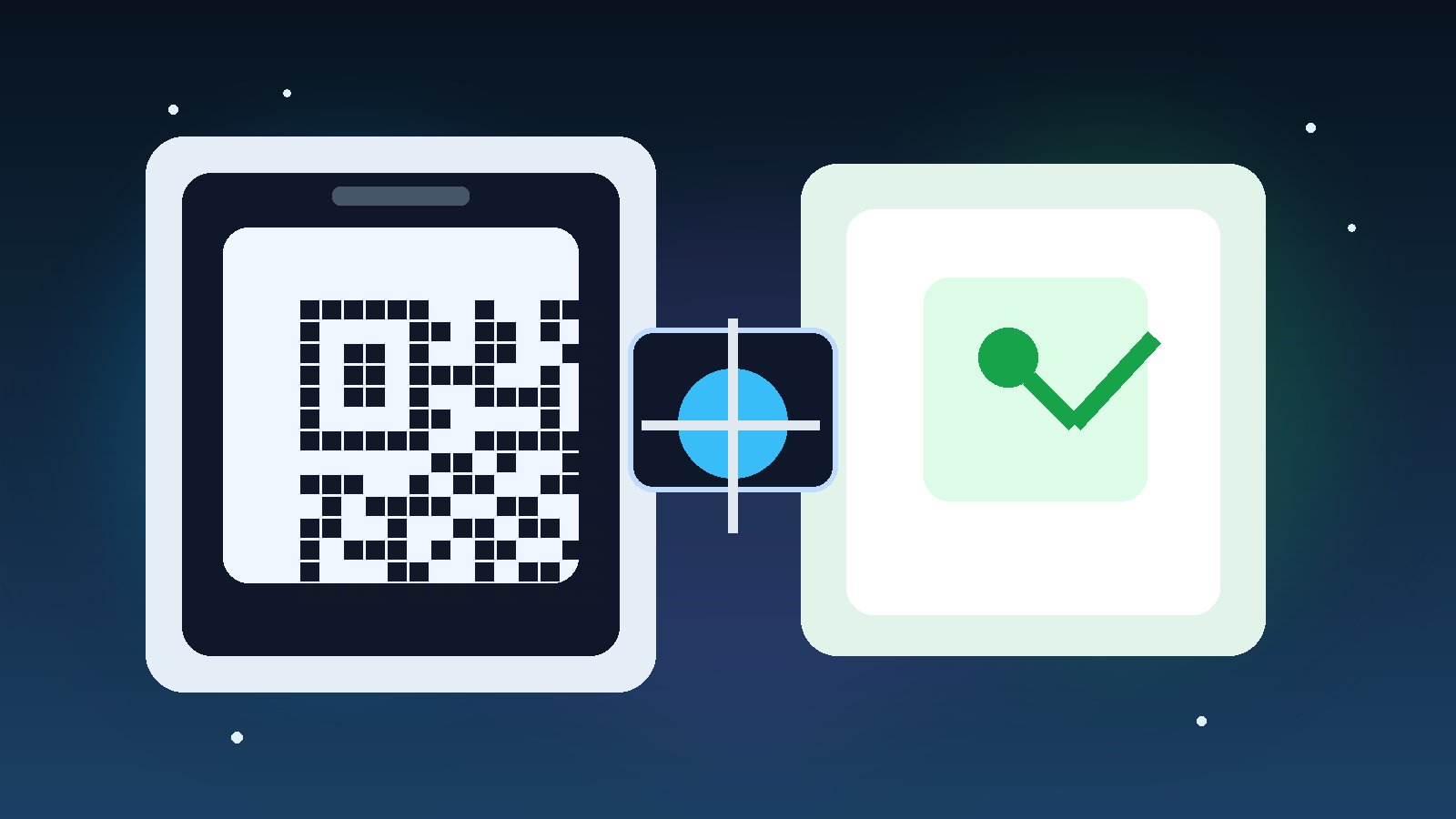
    QR codes have become one of those odd technologies that people trust more as they see them more often. They show up on restaurant tables, school flyers, utility bills, parking signs, package inserts, and random stickers on storefront windows. Because the black-and-white square looks boring and familiar, it often gets treated as safer than a plain web link. That is a mistake. A QR code is usually just a link wearing a disguise.

    For families, that matters because QR codes lower everyone’s guard at once. Adults scan them quickly when they are in a hurry. Teens scan them because they assume the code came from a legitimate poster or event. Kids notice that grown-ups treat scanning as normal and harmless. The safer habit is simple: if you would not blindly click a mystery link in a text message, you should not blindly scan a mystery QR code either.

    A QR Code Does Not Show You Where It Is Really Sending You

    The biggest problem with QR codes is not that they are evil. It is that they hide the destination until after you interact with them. A printed web address can at least be read with your eyes before you decide whether to visit it. A QR code removes that moment of judgment and replaces it with a tap-happy reflex.

    That makes QR codes attractive for scams. A fake sticker can be placed over a real code on a parking meter, public poster, or checkout display. A misleading flyer can push a family member to a payment page, a fake login screen, or a malware-laced download. The square itself does not look suspicious, so the scam gets a head start before anyone asks basic questions.

    Convenience Is Exactly Why Families Need a Rule

    Most family tech mistakes do not happen because someone wanted to be reckless. They happen because something felt ordinary. QR codes are built for speed. Scan, tap, pay, move on. That convenience is helpful, but it is also why a household rule helps. When the tool is designed to skip friction, the user has to add some back intentionally.

    A practical family rule is to pause before scanning any code tied to money, passwords, account recovery, app downloads, or school-related forms. If the code claims urgency, promises a prize, or appears on a sticker that looks newly added or poorly placed, that is a reason to slow down even more. Good habits matter most when the design is trying to make you move fast.

    Phone Cameras Often Give You One Last Chance

    One small mercy is that many phone camera apps now preview the destination before opening it. That preview is worth using. Families should get used to reading the domain name and asking whether it makes sense in context. A school handout that opens a known school domain is one thing. A random code at a fundraiser that jumps to an unfamiliar payment site with a messy web address is another.

    This is especially important for kids and teens, who may understand how to use phones very well without having much instinct for domain spoofing or fake payment pages. Teaching them to check the destination is more useful than teaching them to fear every code. The goal is not paranoia. It is pattern recognition.

    • Look for the destination preview before opening the link.
    • Avoid scanning codes that ask for payment, passwords, or app installs without clear context.
    • Prefer typing a known website yourself when a code seems unnecessary.
    • Be suspicious of stickers, tampered signs, or anything that feels newly pasted over an older surface.

    Those steps are boring, which is exactly why they work. Most digital scams lose power when people stop acting on autopilot.

    Shared Family Spaces Create Shared Risk

    Families also need to remember that one careless scan can affect more than one person. If a parent enters card information on a fake payment page, the household may spend days cleaning up fraud alerts and replacement cards. If a teen signs into a fake school or gaming portal, that stolen password may also unlock other accounts if it was reused. A bad scan is rarely just a bad scan.

    That shared risk is why it is worth discussing QR codes at home in the same category as suspicious texts and weird email links. The technology may look different, but the underlying problem is the same: someone is trying to get trust before they have earned it.

    The Smart Habit Is Mild Skepticism, Not Fear

    QR codes are not going away, and they do have real uses. They can speed up event check-in, connect to a restaurant menu, open a school resource, or simplify device setup. The answer is not banning them from family life. The answer is treating them honestly. They are not magic squares. They are hidden links that deserve the same level of common sense as any other shortcut on the internet.

    If a family can normalize one sentence, it should be this: show me where it goes first. That tiny pause catches a lot of nonsense before it gets a chance to become a real problem.

  • A Family Tech Travel Checklist That Actually Prevents Panic

    A Family Tech Travel Checklist That Actually Prevents Panic

    The best family tech travel plan is not a giant packing list. It is a short set of decisions that reduces the odds of a ruined trip: locked accounts, dead batteries, lost photos, unsafe Wi-Fi, and kids getting stranded without the right contact info. Most travel tech stress happens because families prepare chargers but skip recovery, backups, and expectations.

    If you handle those basics before you leave, the rest of the trip gets easier. You do not need enterprise-grade tooling. You need a few calm, practical habits that still make sense when everyone is tired and halfway through a long drive or stuck in an airport.

    Start with account recovery, not charging cables

    The highest-impact travel prep is making sure the adults in the household can still get into critical accounts if a phone is lost, damaged, or replaced. That means checking password manager access, verifying recovery email addresses, and confirming that at least one backup sign-in path exists for the most important services. Travel is exactly when people discover that a verification code is going to a device that is no longer in their pocket.

    For families, the critical list is usually small: the main email account, the password manager, the mobile carrier app, cloud photo storage, maps, and any airline or hotel apps tied to reservations. If those are recoverable, most other annoyances stay manageable.

    Give the family one clean backup path

    Every household should have one backup route that still works if a primary phone disappears. That could mean a secondary adult device already signed into the password manager, a recovery code stored securely at home, or a travel document folder with the support numbers and account names you would need in a hurry. The goal is not complexity. The goal is avoiding a total lockout when something breaks at the worst possible time.

    This is especially important if children travel with tablets or phones connected to shared family accounts. Adults should know which accounts are linked, which parental controls matter, and which device can approve a sign-in request if the primary phone is unavailable.

    Prepare devices for bad networks, not ideal ones

    Travel plans often assume strong service, fast Wi-Fi, and plenty of time to troubleshoot. Real trips are messier. Before leaving, download maps for the areas you will visit, update key apps on home Wi-Fi, and save tickets or reservation details for offline access when possible. If you rely on streaming for kids in the back seat, preload enough content to survive a weak connection.

    It also helps to decide in advance what you will not do on public networks. Sensitive account changes, large photo library reorganization, and device resets can wait until you are back on a trusted connection. A little restraint prevents a lot of avoidable chaos.

    Make charging simple enough for tired people

    Families do better with fewer charging standards, not more gadgets. A compact power bank, two dependable cables, and one good multi-port charger usually beat a bag full of mystery accessories. Labeling is optional, but consistency matters. If every device depends on a different cable and nobody knows which one is reliable, charging turns into friction instead of routine.

    Parents should also think about the end of the day, not just the road itself. Decide where phones will charge overnight, which device needs to stay ready for navigation or emergency calls, and whether a child’s entertainment device has a battery plan that does not drain the family’s only backup power source.

    Tell kids what to do when tech stops working

    A lot of travel stress comes from unspoken assumptions. Children may know how to use a device, but that does not mean they know what to do if it dies, loses service, or gets separated from the adult who set it up. Before leaving, give simple instructions: who to call, what information to memorize, and what to do if they cannot reach anyone right away.

    That conversation matters more than any app choice. Family tech is strongest when the humans using it understand the fallback plan.

    Use a short pre-trip checklist that someone will actually follow

    The best checklist is boring and repeatable. It should fit into a minute or two, not become a project of its own.

    • Confirm one backup login path for essential accounts
    • Download maps, tickets, and any must-have media
    • Charge the power bank and test the cables you are bringing
    • Review the kid plan for lost service or a dead device
    • Make sure photos will back up again once you are on trusted Wi-Fi

    That is enough to prevent most of the predictable failures. Travel tech does not need to be perfect. It just needs to fail gracefully when real life gets noisy.

  • Why Every Family Password Manager Needs a Home Base

    Why Every Family Password Manager Needs a Home Base

    A password manager is one of the best upgrades a family can make, but installing the app is only the beginning. The real test comes later, when someone gets locked out, a phone dies, a parent is traveling, or nobody can remember where the backup codes went.

    That is why a family password manager needs a home base. Think of it as the household system around the tool: who has emergency access, where recovery details live, and how everyone handles new accounts without sliding back into shared notes, reused passwords, or frantic text messages.

    The App Is Not the System

    Many families adopt a password manager after one bad scare, like a hacked email account or a forgotten streaming login. That solves the most visible problem, but it does not automatically create a reliable process for everyday life. A vault full of strong passwords can still become a mess if only one person understands how it is organized.

    The healthier mindset is to treat the password manager like shared household infrastructure. It should be easy enough for the least technical person in the home to use, recover, and trust. If the system only works when the “tech person” is available, it is not finished.

    Decide What Belongs in the Shared Layer

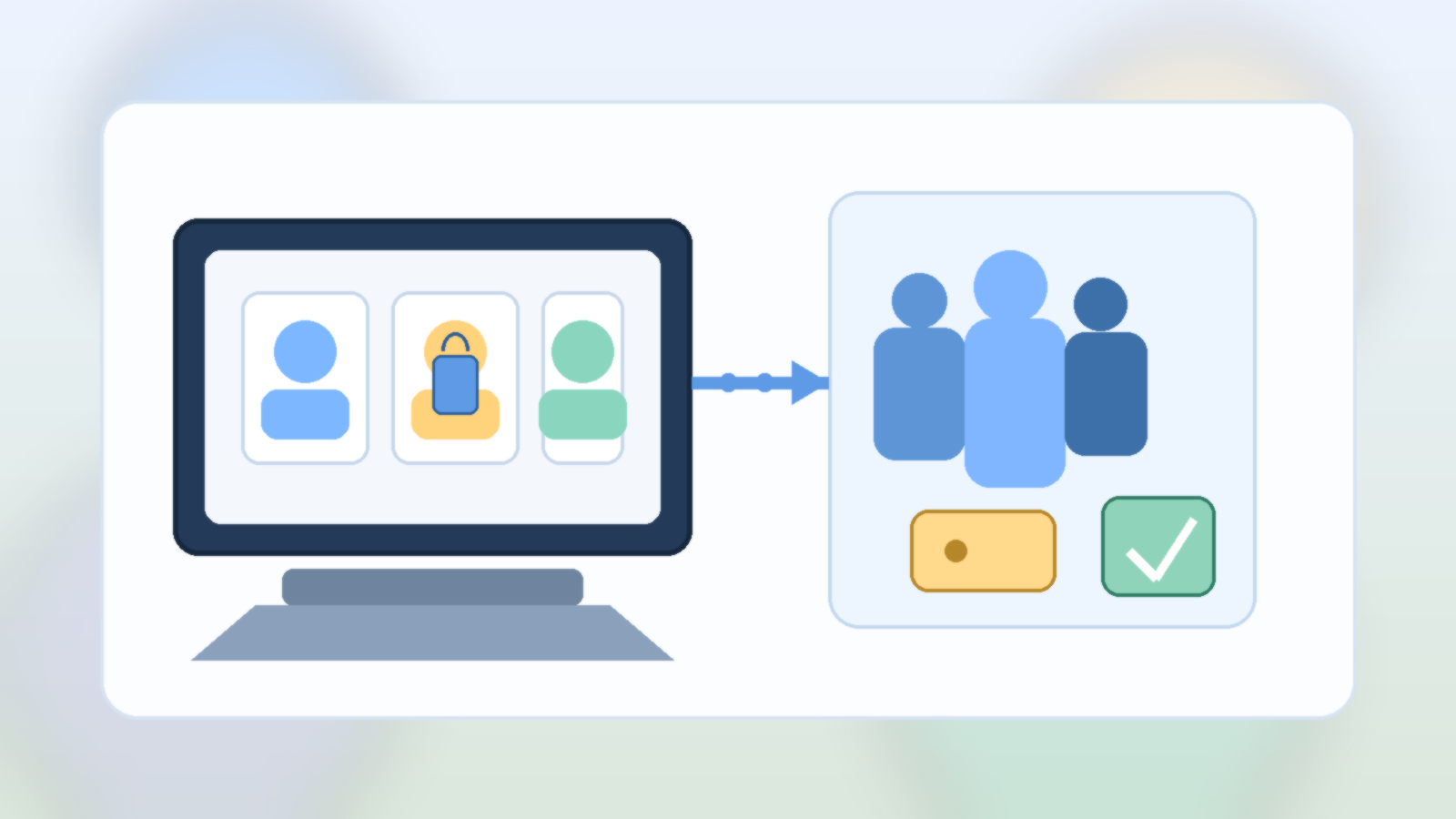
    Not every login should be visible to every person, but some accounts are clearly household assets. Internet billing, utilities, shared shopping accounts, school portals, streaming services, smart home administration, and travel bookings all create friction when they live inside one person’s private mental map.

    A good family setup usually includes one shared collection for true household accounts and private vault spaces for individual logins. That balance keeps personal boundaries intact while still making sure the important family accounts do not disappear into a single phone or browser profile.

    Build an Emergency Access Plan Before You Need One

    The worst time to talk about recovery is after someone has already lost a device or failed a two-factor challenge too many times. Families should decide in advance who can request emergency access, how long the waiting period should be, and which accounts matter most in a real problem.

    This is also where passkeys, backup codes, and recovery email addresses need attention. A password manager can store those details safely, but only if the family intentionally puts them there and keeps them current. Otherwise the vault holds the front door key while the real lockout happens somewhere else.

    Make New Accounts Follow the Household Rule

    Most password chaos does not come from old accounts. It comes from new ones created in a hurry. A coupon app gets signed up with the wrong email address. A smart home service gets attached to one phone. A school portal lands in a browser that nobody else uses. Over time, those little shortcuts become hidden dependencies.

    A simple family rule fixes a lot of this: if the account affects more than one person, it gets created from the shared system on day one. That means generating the password in the manager, deciding who needs access, and saving any recovery details before moving on. It takes an extra minute up front and saves a surprising amount of future frustration.

    Keep the Setup Simple Enough to Survive Busy Weeks

    The best family security routine is not the most advanced one. It is the one people will still follow when they are tired, late, or distracted. That usually means fewer exceptions, clearer naming, and a short recurring review instead of a giant once-a-year cleanup that never happens.

    • Review shared accounts whenever a new device or service is added.
    • Check that recovery methods still point to the right phone numbers and email addresses.
    • Remove old logins for services the household no longer uses.
    • Confirm that at least two trusted adults can reach the important family accounts.

    That checklist is short on purpose. Families do not need a security department. They need a routine that lowers stress instead of adding more of it.

    The Real Goal Is Resilience, Not Perfection

    A family password manager works best when it reduces dependence on memory, heroics, and one highly technical person. The win is not just stronger passwords. It is a calmer household where account access keeps working even when devices change, people are busy, or something goes wrong.

    That is what a home base provides. It turns a security app into a family habit, and family habits are what actually hold up under pressure.

  • Why Families Should Review App Permissions After Setting Up a New Phone

    Why Families Should Review App Permissions After Setting Up a New Phone

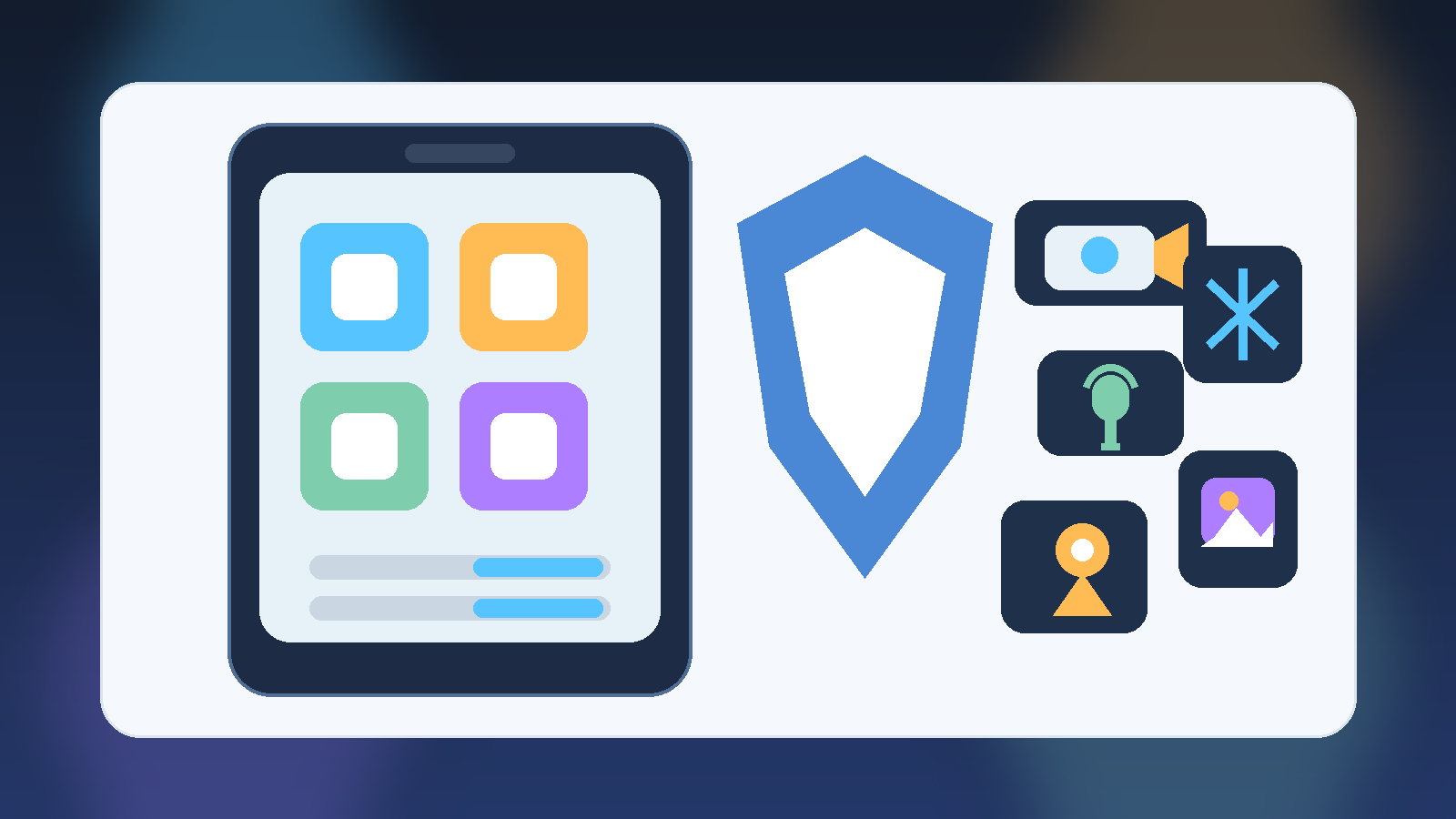
    Setting up a new phone feels like a clean slate, but the privacy and security story does not end when the home screen appears. Once the device is activated, apps begin asking for access to the camera, microphone, location, contacts, photos, Bluetooth, notifications, and more. Families often approve those prompts quickly just to finish setup and move on.

    That is understandable, but it creates a familiar problem: a brand-new phone can inherit an unnecessarily broad permission footprint within its first hour of use. A short review after setup is one of the simplest ways to make the phone calmer, safer, and easier to trust over time.

    Why Setup Prompts Lead to Over-Approval

    Permission prompts usually appear at the most inconvenient moment. Someone is trying to sign in, restore backups, install favorite apps, connect headphones, or send the first message from the new device. In that context, tapping Allow feels like the fastest route back to normal life.

    The trouble is that many apps ask for more access than they need immediately. Some requests are legitimate, some are optional, and some are best granted only while the app is in use. When families approve everything at once, they lose the chance to separate necessary access from habitual access.

    Permissions Shape Both Privacy and Risk

    App permissions are not only a privacy issue. They also affect how much damage a bad app, a compromised account, or a sloppy third-party integration can do. An app with constant location access knows more than one that only checks location while open. An app with full photo access sees more than one limited to selected images. A messaging app that truly needs the microphone is different from a random utility app that wants the same thing.

    Reviewing permissions helps families reduce unnecessary exposure without turning the phone into a locked-down science project. The goal is not to distrust every app equally. The goal is to match the level of access to the job the app is actually doing.

    Start With the Sensitive Categories

    After setup, it is smart to review the permissions that reveal the most about a person or household. Location, microphone, camera, contacts, photos, and Bluetooth usually deserve the first look. These categories affect physical privacy, family relationships, and in some cases security around nearby devices.

    For many households, the best default is moderation. If an app only needs access occasionally, choose the most limited version available. That might mean While Using the App, Ask Next Time, or access to selected photos instead of the entire library. Modern phones finally make this easier than they used to, and families should take advantage of that progress.

    Children and Shared Family Devices Need Extra Attention

    This review matters even more on phones used by children or on devices that move around the household. Kids often accept prompts quickly, and shared devices can blur the line between one person’s data and everyone else’s. A game may not need contact access. A flashlight app definitely does not need the microphone. A shopping app does not always need precise location.

    Families do not need to turn this into a lecture. A two-minute habit is enough: install the app, use it once, then confirm that the permission level still makes sense. Over time, that teaches better judgment than either blind approval or blanket fear.

    Notifications Deserve a Review Too

    People often forget that notification access is part of the quality-of-life picture. A new phone can become noisy fast when every app wins the right to interrupt. While notifications are not always framed as a classic security permission, they influence attention, distraction, and how easily scammy or low-value apps can keep pulling users back in.

    A post-setup review is a good time to ask which apps deserve immediate alerts and which ones can wait silently. Families who reduce unnecessary notifications usually end up with a phone that feels better, not just safer.

    A Practical Five-Minute Checklist

    For most families, a useful review looks like this:

    • Open the phone’s privacy or permissions dashboard.
    • Check location, camera, microphone, contacts, photos, and Bluetooth first.
    • Downgrade any app that does not need constant or full access.
    • Remove permissions from apps that have no obvious reason to hold them.
    • Trim notification access so only important apps interrupt by default.

    That process is short, realistic, and much more effective than promising to “look at it later” and never circling back.

    Final Takeaway

    Buying a new phone is not just about speed, cameras, or screen quality. It is also the moment when a device’s trust boundaries get set. Families who spend a few minutes reviewing app permissions after setup usually end up with fewer privacy surprises, fewer pointless interruptions, and a better sense of control over the device they carry every day.

    That is a strong return on five minutes of attention. In family tech, boring maintenance often beats dramatic fixes.