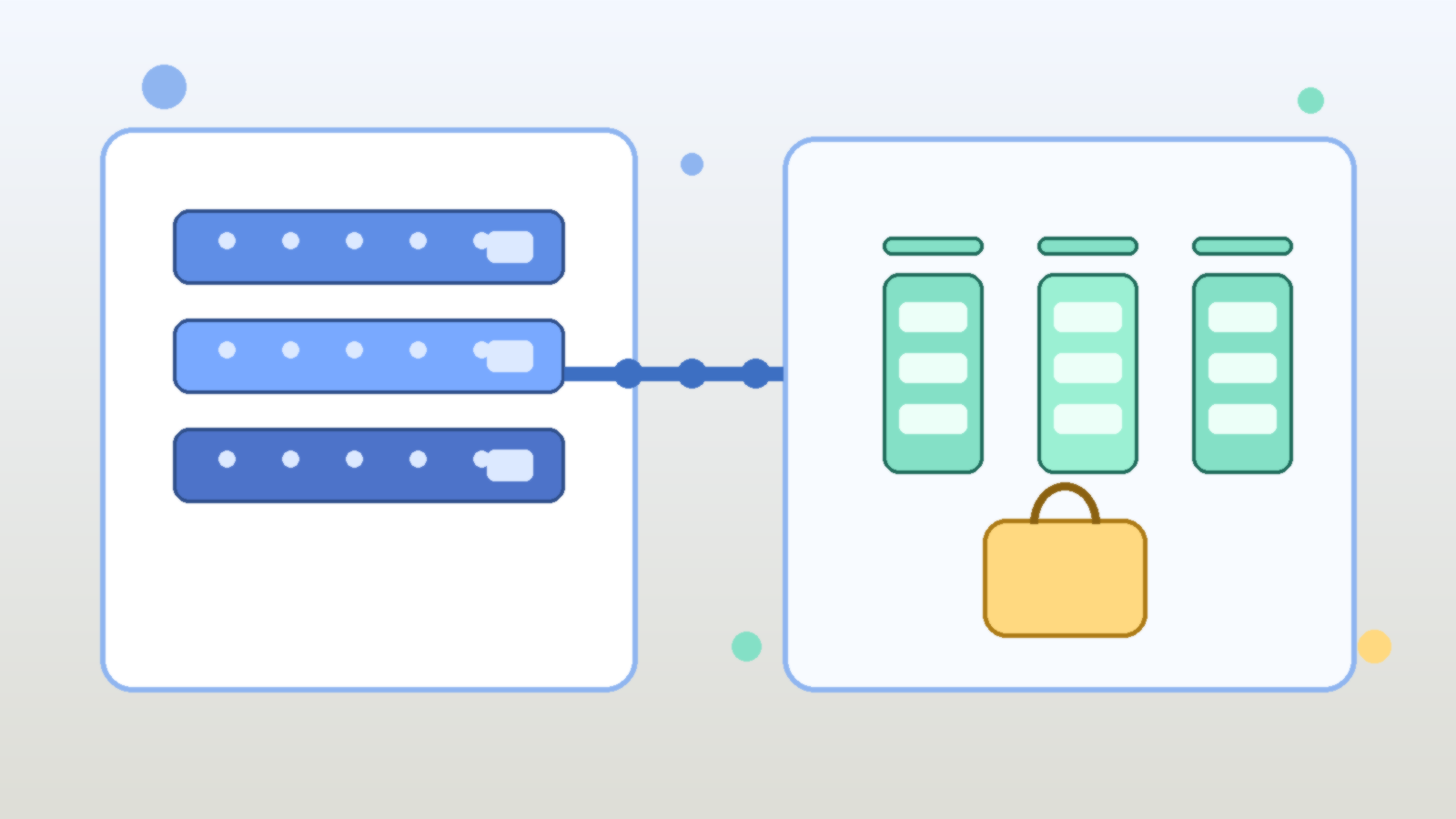
Teams love AI logs right up until they realize how much sensitive context those logs can accumulate. Prompt histories, tool traces, retrieval snippets, user feedback, and model outputs are incredibly useful when you are debugging quality or proving that a workflow actually worked. They are also exactly the kind of data exhaust that expands quietly until nobody can explain what is stored, how long it stays around, or who should still have access to it.
That is why AI logging needs a retention policy early, not after the first uncomfortable incident review. If your copilot or agent stack is handling internal documents, support conversations, system prompts, identity context, or privileged tool output, your logs are no longer harmless telemetry. They are operational records with security, privacy, and governance consequences.
AI Logs Age Into Risk Faster Than Teams Expect
In a typical application, logs are often short, structured, and relatively repetitive. In an AI system, logs can be much richer. They may include chunks of retrieved knowledge, free-form user questions, generated recommendations, exception traces, and even copies of third-party responses. That richness is what makes them helpful for troubleshooting, but it also means they can collect far more business context than traditional observability data.
The risk is not only that one sensitive item shows up in a trace. It is that weeks or months of traces can slowly create a shadow knowledge base full of internal decisions, credentials accidentally pasted into prompts, customer details, or policy language that should not sit in a debugging system forever. The longer that material lingers without clear rules, the more likely it is to be rediscovered in the wrong context.
Retention Rules Force Teams to Separate Useful From Reckless
A retention policy forces a mature question: what do we genuinely need to keep? Some logs support short-term debugging and can expire quickly. Some belong in longer-lived audit records because they show approvals, policy decisions, or tool actions that must be reviewable later. Some data should never be retained in raw form at all and should be redacted, summarized, or dropped before storage.
Without that separation, the default outcome is usually infinite accumulation. Storage is cheap enough that nobody feels pain immediately, and the system appears more useful because everything is searchable. Then a compliance request, security review, or incident investigation forces the team to admit it has been keeping far more than it can justify.
Different AI Data Streams Deserve Different Lifetimes
One of the biggest mistakes in AI governance is treating all generated telemetry the same way. User prompts, retrieval context, execution traces, moderation events, and model evaluations serve different purposes. They should not all inherit one blanket retention period just because they land in the same platform.
A practical policy usually starts by classifying data streams according to sensitivity and operational value. Prompt and response content might need aggressive expiration or masking. Tool execution events may need longer retention because they show what the system actually did. Aggregated metrics can often live much longer because they preserve performance trends without preserving raw content.
- Keep short-lived debugging traces only as long as they are actively useful for engineering work.
- Retain approval, audit, or policy enforcement events long enough to support reviews and investigations.
- Mask or exclude secrets, tokens, and highly sensitive fields before they reach log storage.
- Prefer summaries and metrics when raw conversational content is not necessary.
Redaction Is Not a Substitute for Retention
Redaction helps, but it does not remove the need for expiration. Even well-scrubbed logs still reveal patterns about user behavior, internal operations, and system structure. They can also retain content that was not recognized as sensitive at ingestion time. Assuming that redaction alone solves the problem is a comfortable shortcut, not a governance strategy.
The safer posture is to combine both controls. Redact aggressively where you can, restrict access tightly, and then delete data on a schedule that reflects why it was collected in the first place. That approach keeps the team honest about purpose instead of letting “maybe useful later” become a permanent excuse.
Retention Policy Design Changes Product Behavior
Good retention rules do more than satisfy auditors. They influence product design upstream. Once teams know certain classes of raw prompt content will expire quickly, they become more deliberate about what they persist, what they hash, and what they aggregate. They also start building review workflows that do not depend on indefinite access to every historical interaction.
That is healthy pressure. It pushes the platform toward deliberate observability instead of indiscriminate hoarding. It also makes it easier to explain the system to customers and internal stakeholders, because the answer to “what happens to my data?” becomes concrete instead of awkwardly vague.
Start With a Policy That Engineers Can Actually Operate
The best retention policy is not the most elaborate one. It is the one your platform can enforce consistently. Define categories of AI telemetry, assign owners, specify retention windows, and document which controls apply to raw content versus summaries or metrics. If you cannot automate expiration yet, at least document the gap clearly instead of pretending the data is under control.
AI systems create powerful new records of how people ask questions, how tools act, and how decisions are made. That makes logging valuable, but it also makes indefinite logging a bad default. Before your copilot becomes a liability, decide what deserves to stay, what needs to fade quickly, and what should never be stored in the first place.