Tag: cloud security

  • How to Use Microsoft Entra Workload Identities for Azure AI Without Letting Long-Lived Secrets Linger in Every Pipeline

    How to Use Microsoft Entra Workload Identities for Azure AI Without Letting Long-Lived Secrets Linger in Every Pipeline

    Long-lived secrets have a bad habit of surviving every architecture review. Teams know they should reduce them, but delivery pressure keeps pushing the cleanup to later. Then an AI workflow shows up with prompt orchestration, retrieval calls, evaluation jobs, scheduled pipelines, and a few internal helpers, and suddenly the old credential sprawl problem gets bigger instead of smaller.

    Microsoft Entra workload identities are one of the more practical ways to break that pattern in Azure. They let teams exchange trust signals for tokens instead of copying static secrets across CI pipelines, container apps, and automation jobs. That is useful, but it is not automatically safe. Federation reduces one class of risk while exposing design mistakes in scope, ownership, and lifecycle control.

    Why AI Platforms Magnify the Secret Problem

    Traditional applications often have a small set of service-to-service credentials that stay hidden behind a few stable components. Internal AI platforms are messier. A single product may touch model endpoints, search indexes, storage accounts, observability pipelines, background job runners, and external orchestration layers. If every one of those paths relies on copied client secrets, the platform quietly becomes a secret distribution exercise.

    That sprawl does not only increase rotation work. It also makes ownership harder to see. When several environments share the same app registration or when multiple jobs inherit one broad credential, nobody can answer a basic governance question quickly: which workload is actually allowed to do what? By the time that question matters during an incident or audit, the cleanup is already expensive.

    What Workload Identities Improve, and What They Do Not

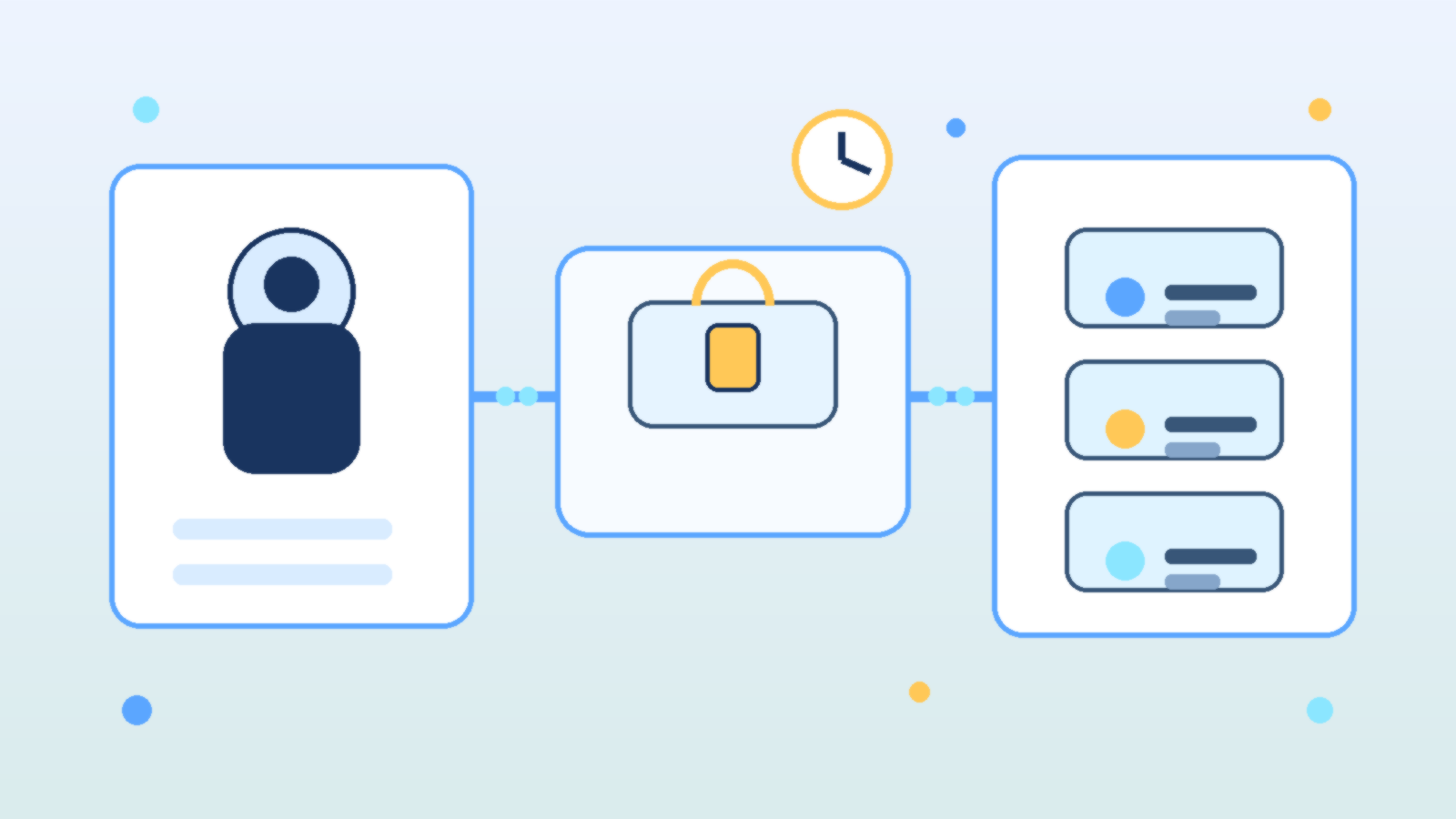
    Workload identities improve the authentication path by replacing many static secrets with token exchange based on a trusted workload context. In practice, that usually means a pipeline, Kubernetes service account, containerized job, or cloud runtime proves what it is, receives a token, and uses that token to access the specific Azure resource it needs. The obvious win is that fewer long-lived credentials are left sitting in variables, config files, and build systems.

    The less obvious point is that workload identities do not solve bad authorization design. If a federated workload still gets broad rights across multiple subscriptions, resource groups, or data stores, the secretless pattern only makes that overreach easier to operate. Teams should treat federation as the front door and RBAC as the real boundary. One without the other is incomplete.

    Scope Each Trust Relationship to a Real Workload Boundary

    The most common design mistake is creating one flexible identity that many workloads can share. It feels efficient at first, especially when several jobs are managed by the same team. It is also how platforms drift into a world where staging, production, batch jobs, and evaluation tools all inherit the same permissions because the identity already exists.

    A better pattern is to scope trust relationships to real operational boundaries. Separate identities by environment, by application purpose, and by risk profile. A retrieval indexer does not need the same permissions as a deployment pipeline. A nightly evaluation run does not need the same access path as a customer-facing inference service. If two workloads would trigger different incident responses, they probably deserve different identities.

    Keep Azure AI Access Narrow and Intelligible

    Azure AI projects often connect several services at once, which makes permission creep easy to miss. A team starts by granting access to the model endpoint, then adds storage for prompt assets, then adds search, then logging, then a build pipeline that needs deployment rights. None of those changes feels dramatic on its own. Taken together, they can turn one workload identity into an all-access pass.

    The practical fix is boring in the best possible way. Give each workload the minimum rights needed for the resources it actually touches, and review that access when the architecture changes. If an inference app only needs to call a model endpoint and read from one index, it should not also hold broad write access to storage accounts or deployment configuration. Teams move faster when permissions make sense at a glance.

    Federation Needs Lifecycle Rules, Not Just Setup Instructions

    Some teams celebrate once the first federated credential works and then never revisit it. That is how stale trust relationships pile up. Repositories get renamed, pipelines change ownership, clusters are rebuilt, and internal AI prototypes quietly become semi-permanent workloads. If nobody reviews the federated credential inventory, the organization ends up with fewer secrets but a growing trust surface.

    Lifecycle controls matter here. Teams should know who owns each federated credential, what workload it serves, what environment it belongs to, and when it should be reviewed or removed. If a project is decommissioned, the trust relationship should disappear with it. Workload identity is cleaner than secret sprawl, but only if dead paths are actually removed.

    Logging Should Support Investigation Without Recreating Secret Chaos

    One benefit of workload identities is cleaner operational evidence. Authentication events can be tied to actual workloads instead of ambiguous reused credentials. That makes investigations faster when teams want to confirm which pipeline deployed a change or which scheduled job called a protected resource. For AI platforms, that clarity matters because background jobs and agent-style workflows often execute on behalf of systems rather than named humans.

    The trick is to preserve useful audit signals without turning logs into another dumping ground for sensitive detail. Teams usually need identity names, timestamps, target resources, and outcomes. They do not need every trace stream to become a verbose copy of internal prompt flow metadata. The goal is enough evidence to investigate and improve, not enough noise to hide the answer.

    Migration Works Better When You Target the Messiest Paths First

    Trying to replace every static secret in one motion usually creates friction. A better approach is to start where the pain is obvious. Pipelines with manual secret rotation, shared nonhuman accounts, container jobs that inherit copied credentials, and AI automation layers with too many environment variables are strong candidates. Those paths tend to deliver security and operational wins quickly.

    That sequencing also helps teams learn the pattern before they apply it everywhere. Once ownership, RBAC scope, review cadence, and monitoring are working for the first few workloads, the rollout becomes easier to repeat. Secretless identity is most successful when it becomes a platform habit instead of a heroic migration project.

    Final Takeaway

    Microsoft Entra workload identities are one of the cleanest ways to reduce credential sprawl in Azure AI environments, but they are not a shortcut around governance. The value comes from matching each trust relationship to a real workload boundary, keeping RBAC narrow, and cleaning up old paths before they fossilize into permanent platform debt.

    Teams that make that shift usually get two wins at once. They reduce the number of secrets lying around, and they get a clearer map of what each workload is actually allowed to do. In practice, that clarity is often worth as much as the security improvement.
  • How to Use Azure Policy Exemptions for AI Workloads Without Turning Guardrails Into Suggestions

    How to Use Azure Policy Exemptions for AI Workloads Without Turning Guardrails Into Suggestions

    Azure Policy is one of the cleanest ways to keep AI platform standards from drifting across subscriptions, resource groups, and experiments. The trouble starts when delivery pressure collides with those standards. A team needs to test a model deployment, wire up networking differently, or get around a policy conflict for one sprint, and suddenly the word exemption starts sounding like a productivity feature instead of a risk decision.

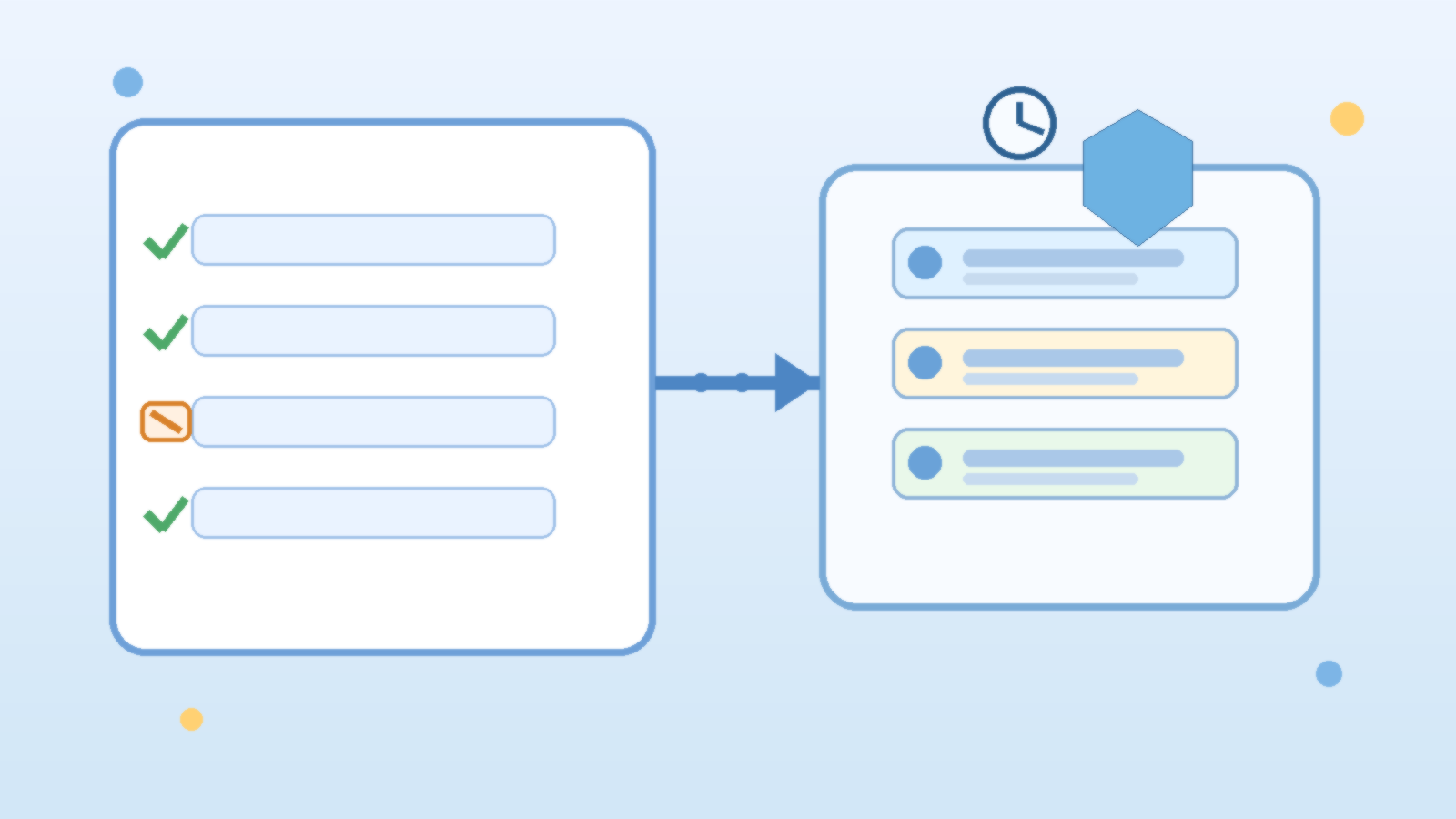
    That is where mature teams separate healthy flexibility from policy theater. Exemptions are not a failure of governance. They are a governance mechanism. The problem is not that exemptions exist. The problem is when they are created without scope, without evidence, and without a path back to compliance.

    Exemptions Should Explain Why the Policy Is Not Being Met Yet

    A useful exemption starts with a precise reason. Maybe a vendor dependency has not caught up with private networking requirements. Maybe an internal AI sandbox needs a temporary resource shape that conflicts with the normal landing zone baseline. Maybe an engineering team is migrating from one pattern to another and needs a narrow bridge period. Those are all understandable situations.

    What does not age well is a vague exemption that effectively says, “we needed this to work.” If the request cannot clearly explain the delivery blocker, the affected control, and the expected end state, it is not ready. Teams should have to articulate why the policy is temporarily impractical, not merely inconvenient.

    Scope the Exception Smaller Than the Team First Wants

    The easiest way to make exemptions dangerous is to grant them at a broad scope. A subscription-wide exemption for one AI prototype often becomes a quiet permission slip for unrelated workloads later. Strong governance teams default to the smallest scope that solves the real problem, whether that is one resource group, one policy assignment, or one short-lived deployment path.

    This matters even more for AI environments because platform patterns spread quickly. If one permissive exemption sits in the wrong place, future projects may inherit it by accident and call that reuse. Tight scoping keeps an unusual decision from becoming a silent architecture standard.

    Every Exemption Needs an Owner and an Expiration Date

    An exemption without an owner is just deferred accountability. Someone specific should be responsible for the risk, the follow-up work, and the retirement plan. That owner does not have to be the person clicking approve in Azure, but it should be the person who can drive remediation when the temporary state needs to end.

    Expiration matters for the same reason. A surprising number of “temporary” governance decisions stay alive because nobody created the forcing function to revisit them. If the exemption is still needed later, it can be renewed with updated evidence. What should not happen is an open-ended exception drifting into permanent policy decay.

    Document the Compensating Controls, Not Just the Deviation

    A good exemption request does more than identify the broken rule. It explains what will reduce risk while the rule is not being met. If an AI workload cannot use the preferred network control yet, perhaps access is restricted through another boundary. If a logging standard cannot be implemented immediately, perhaps the team adds manual review, temporary alerting, or narrower exposure until the full control lands.

    This is where governance becomes practical instead of theatrical. Leaders do not need a perfect environment on day one. They need evidence that the team understands the tradeoff and has chosen deliberate safeguards while the gap exists.

    Review Exemptions as a Portfolio, Not One Ticket at a Time

    Individual exemptions can look reasonable in isolation while creating a weak platform in aggregate. One allows broad outbound access, another delays tagging, another bypasses a deployment rule, and another weakens log retention. Each request sounds manageable. Together they can tell you that a supposedly governed AI platform is running mostly on exceptions.

    That is why a periodic exemption review matters. Security, platform, and cloud governance leads should look for clusters, aging exceptions, repeat patterns, and teams that keep hitting the same friction point. Sometimes the answer is to retire the exemption. Sometimes the answer is to improve the policy design because the platform standard is clearly out of sync with real work.

    Final Takeaway

    Azure Policy exemptions are not the enemy of governance. Unbounded exemptions are. When an exception is narrow, time-limited, owned, and backed by compensating controls, it helps serious teams ship without pretending standards are frictionless. When it is broad, vague, and forgotten, it turns guardrails into suggestions.

    The right goal is not “no exemptions ever.” The goal is making every exemption look temporary on purpose and defensible under review.

  • How to Use Azure API Management as a Policy Layer for Multi-Model AI Without Creating a Governance Mess

    How to Use Azure API Management as a Policy Layer for Multi-Model AI Without Creating a Governance Mess

    Teams often add a second or third model provider for good reasons. They want better fallback options, lower cost for simpler tasks, regional flexibility, or the freedom to use specialized models for search, extraction, and generation. The problem is that many teams wire each new provider directly into applications, which creates a policy problem long before it creates a scaling problem.

    Once every app team owns its own prompts, credentials, rate limits, logging behavior, and safety controls, the platform starts to drift. One application redacts sensitive fields before sending prompts upstream, another does not. One team enforces approved models, another quietly swaps in a new endpoint on Friday night. The architecture may still work, but governance becomes inconsistent and expensive.

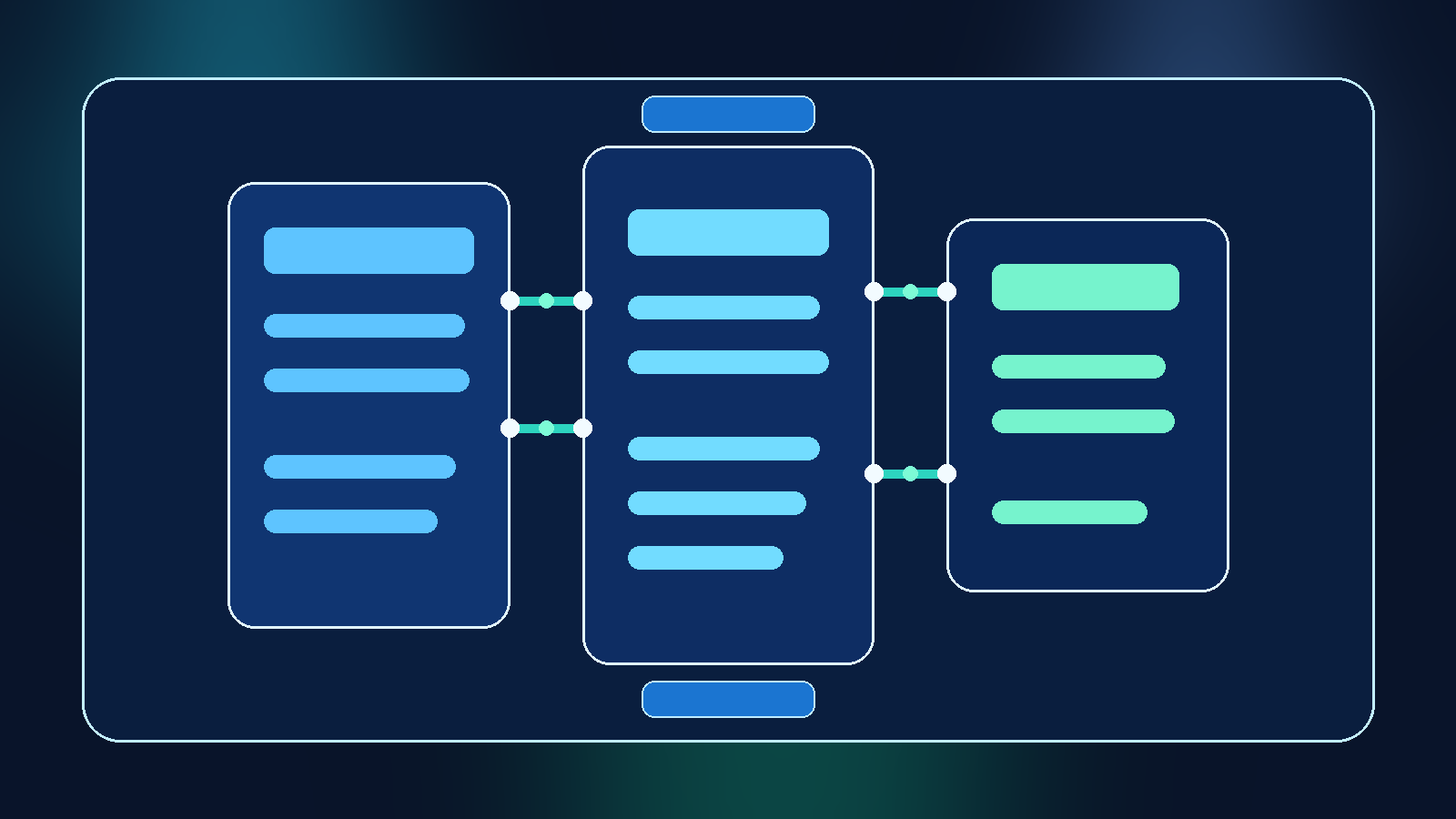
    Azure API Management can help, but only if you treat it as a policy layer instead of just another proxy. Used well, APIM gives teams a place to standardize authentication, route selection, observability, and request controls across multiple AI backends. Used poorly, it becomes a fancy pass-through that adds latency without reducing risk.

    Start With the Governance Problem, Not the Gateway Diagram

    A lot of APIM conversations begin with the traffic flow. Requests enter through one hostname, policies run, and the gateway forwards traffic to Azure OpenAI or another backend. That picture is useful, but it is not the reason the pattern matters.

    The real value is that a central policy layer gives platform teams a place to define what every AI call must satisfy before it leaves the organization boundary. That can include approved model catalogs, mandatory headers, abuse protection, prompt-size limits, region restrictions, and logging standards. If you skip that design work, APIM just hides complexity rather than controlling it.

    This is why strong teams define their non-negotiables first. They decide which backends are allowed, which data classes may be sent to which provider, what telemetry is required for every request, and how emergency provider failover should behave. Only after those rules are clear does the gateway become genuinely useful.

    Separate Model Routing From Application Logic

    One of the easiest ways to create long-term chaos is to let every application decide where each prompt goes. It feels flexible in the moment, but it hard-codes provider behavior into places that are difficult to audit and even harder to change.

    A better pattern is to let applications call a stable internal API contract while APIM handles routing decisions behind that contract. That does not mean the platform team hides all choice from developers. It means the routing choices are exposed through governed products, APIs, or policy-backed parameters rather than scattered custom code.

    This separation matters when costs shift, providers degrade, or a new model becomes the preferred default for a class of workloads. If the routing logic lives in the policy layer, teams can change platform behavior once and apply it consistently. If the logic lives in twenty application repositories, every improvement turns into a migration project.

    Use Policy to Enforce Minimum Safety Controls

    APIM becomes valuable fast when it consistently enforces the boring controls that otherwise get skipped. For example, the gateway can require managed identity or approved subscription keys, reject oversized payloads, inject correlation IDs, and block calls to deprecated model deployments.

    It can also help standardize pre-processing and post-processing rules. Some teams use policy to strip known secrets from headers, route only approved workloads to external providers, or ensure moderation and content-filter metadata are captured with each transaction. The exact implementation will vary, but the principle is simple: safety controls should not depend on whether an individual developer remembered to copy a code sample correctly.

    That same discipline applies to egress boundaries. If a workload is only approved for Azure OpenAI in a specific geography, the policy layer should make the compliant path easy and the non-compliant path hard or impossible. Governance works better when it is built into the platform shape, not left as a wiki page suggestion.

    Standardize Observability Before You Need an Incident Review

    Multi-model environments fail in more ways than single-provider stacks. A request might succeed with the wrong latency profile, route to the wrong backend, exceed token expectations, or return content that technically looks valid but violates an internal policy. If observability is inconsistent, incident reviews become guesswork.

    APIM gives teams a shared place to capture request metadata, route decisions, consumer identity, policy outcomes, and response timing in a normalized way. That makes it much easier to answer practical questions later. Which apps were using a deprecated deployment? Which provider saw the spike in failed requests? Which team exceeded the expected token budget after a prompt template change?

    This data is also what turns governance from theory into management. Leaders do not need perfect dashboards on day one, but they do need a reliable way to see usage patterns, policy exceptions, and provider drift. If the gateway only forwards traffic and none of that context is retained, the control plane is missing its most useful control.

    Do Not Let APIM Become a Backdoor Around Provider Governance

    A common mistake is to declare victory once all traffic passes through APIM, even though the gateway still allows nearly any backend, key, or route the caller requests. In that setup, APIM may centralize access, but it does not centralize control.

    The fix is to govern the products and policies as carefully as the backends themselves. Limit who can publish or change APIs, review policy changes like code, and keep provider onboarding behind an approval path. A multi-model platform should not let someone create a new external AI route with less scrutiny than a normal production integration.

    This matters because gateways attract convenience exceptions. Someone wants a temporary test route, a quick bypass for a partner demo, or direct pass-through for a new SDK feature. Those requests can be reasonable, but they should be explicit exceptions with an owner and an expiration point. Otherwise the policy layer slowly turns into a collection of unofficial escape hatches.

    Build for Graceful Provider Change, Not Constant Provider Switching

    Teams sometimes hear “multi-model” and assume every request should dynamically choose the cheapest or fastest model in real time. That can work for some workloads, but it is usually not the first maturity milestone worth chasing.

    A more practical goal is graceful provider change. The platform should make it possible to move a governed workload from one approved backend to another without rewriting every client, relearning every monitoring path, or losing auditability. That is different from building an always-on model roulette wheel.

    APIM supports that calmer approach well. You can define stable entry points, approved routing policies, and controlled fallback behaviors while keeping enough abstraction to change providers when business or risk conditions change. The result is a platform that remains adaptable without becoming unpredictable.

    Final Takeaway

    Azure API Management can be an excellent policy layer for multi-model AI, but only if it carries real policy responsibility. The win is not that every AI call now passes through a prettier URL. The win is that identity, routing, observability, and safety controls stop fragmenting across application teams.

    If you are adding more than one AI backend, do not ask only how traffic should flow. Ask where governance should live. For many teams, APIM is most valuable when it becomes the answer to that second question.

  • How to Keep Azure Service Principals From Becoming Permanent Backdoors

    How to Keep Azure Service Principals From Becoming Permanent Backdoors

    Azure service principals are useful because automation needs an identity. Deployment pipelines, backup jobs, infrastructure scripts, and third-party tools all need a way to authenticate without asking a human to click through a login prompt every time. The trouble is that many teams create a service principal once, get the job working, and then quietly stop managing it.

    That habit creates a long-lived risk surface. A forgotten service principal with broad permissions can outlast employees, projects, naming conventions, and even entire cloud environments. If nobody can clearly explain what it does, why it still exists, and how its credentials are protected, it has already started drifting from useful automation into security debt.

    Why Service Principals Become Dangerous So Easily

    The first problem is that service principals often begin life during time pressure. A team needs a release pipeline working before the end of the day, so they grant broad rights, save a client secret, and promise to tighten it later. Later rarely arrives. The identity stays in place long after the original deployment emergency is forgotten.

    The second problem is visibility. Human admin accounts are easier to talk about because everyone understands who owns them. Service principals feel more abstract. They live inside scripts, CI systems, and secret stores, so they can remain active for months without attracting attention until an audit or incident response exercise reveals just how much power they still have.

    Start With Narrow Scope Instead of Cleanup Promises

    The safest time to constrain a service principal is the moment it is created. Teams should decide which subscription, resource group, or workload the identity actually needs to touch and keep the assignment there. Granting contributor rights at a wide scope because it is convenient today usually creates a cleanup problem that grows harder over time.

    This is also where role choice matters. A deployment identity that only needs to manage one application stack should not automatically inherit unrelated storage, networking, or policy rights. Narrowing scope early is not just cleaner governance. It directly reduces the blast radius if the credential is leaked or misused later.

    Prefer Better Credentials Over Shared Secrets

    Client secrets are easy to create, which is exactly why they are overused. If a team can move toward managed identities, workload identity federation, or certificate-based authentication, that is usually a healthier direction than distributing static secrets across multiple tools. Static credentials are simple until they become everybody’s hidden dependency.

    Even when a client secret is temporarily unavoidable, it should live in a deliberate secret store with clear rotation ownership. A secret copied into pipeline variables, wiki pages, and local scripts is no longer a credential management strategy. It is an incident waiting for a trigger.

    Tie Every Service Principal to an Owner and a Purpose

    Automation identities become especially risky when nobody feels responsible for them. Every service principal should have a plain-language purpose, a known technical owner, and a record of which system depends on it. If a deployment breaks tomorrow, the team should know which identity was involved without having to reverse-engineer the entire environment.

    That ownership record does not need to be fancy. A lightweight inventory that captures the application name, scope, credential type, rotation date, and business owner already improves governance dramatically. The key is to make the identity visible enough that it cannot become invisible infrastructure.

    Review Dormant Access Before It Becomes Legacy Access

    Teams are usually good at creating automation identities and much less disciplined about retiring them. Projects end, vendors change, release pipelines get replaced, and proof-of-concept environments disappear, but the related service principals often survive. A quarterly review of unused sign-ins, inactive applications, and stale role assignments can uncover access that nobody meant to preserve.

    That review should focus on evidence, not guesswork. Sign-in logs, last credential usage, and current role assignments tell a more honest story than memory. If an identity has broad rights and no recent legitimate activity, the burden should shift toward disabling or removing it rather than assuming it might still matter.

    Build Rotation and Expiration Into the Operating Model

    Too many teams treat credential rotation as an exceptional security chore. It should be part of normal cloud operations. Secrets and certificates need scheduled renewal, documented testing, and a clear owner who can confirm the dependent automation still works after the change. If rotation is scary, that is usually a sign that the dependency map is already too fragile.

    Expiration also creates useful pressure. When credentials are short-lived or reviewed on a schedule, teams are forced to decide whether the automation still deserves access. That simple checkpoint is often enough to catch abandoned integrations before they become permanent backdoors hidden behind a friendly application name.

    Final Takeaway

    Azure service principals are not the problem. Unmanaged service principals are. They are powerful tools for reliable automation, but only when teams treat them like production identities with scope limits, ownership, review, and lifecycle controls.

    If a service principal has broad access, an old secret, and no obvious owner, it is not harmless background plumbing. It is unfinished security work. The teams that stay out of trouble are the ones that manage automation identities with the same seriousness they apply to human admin accounts.