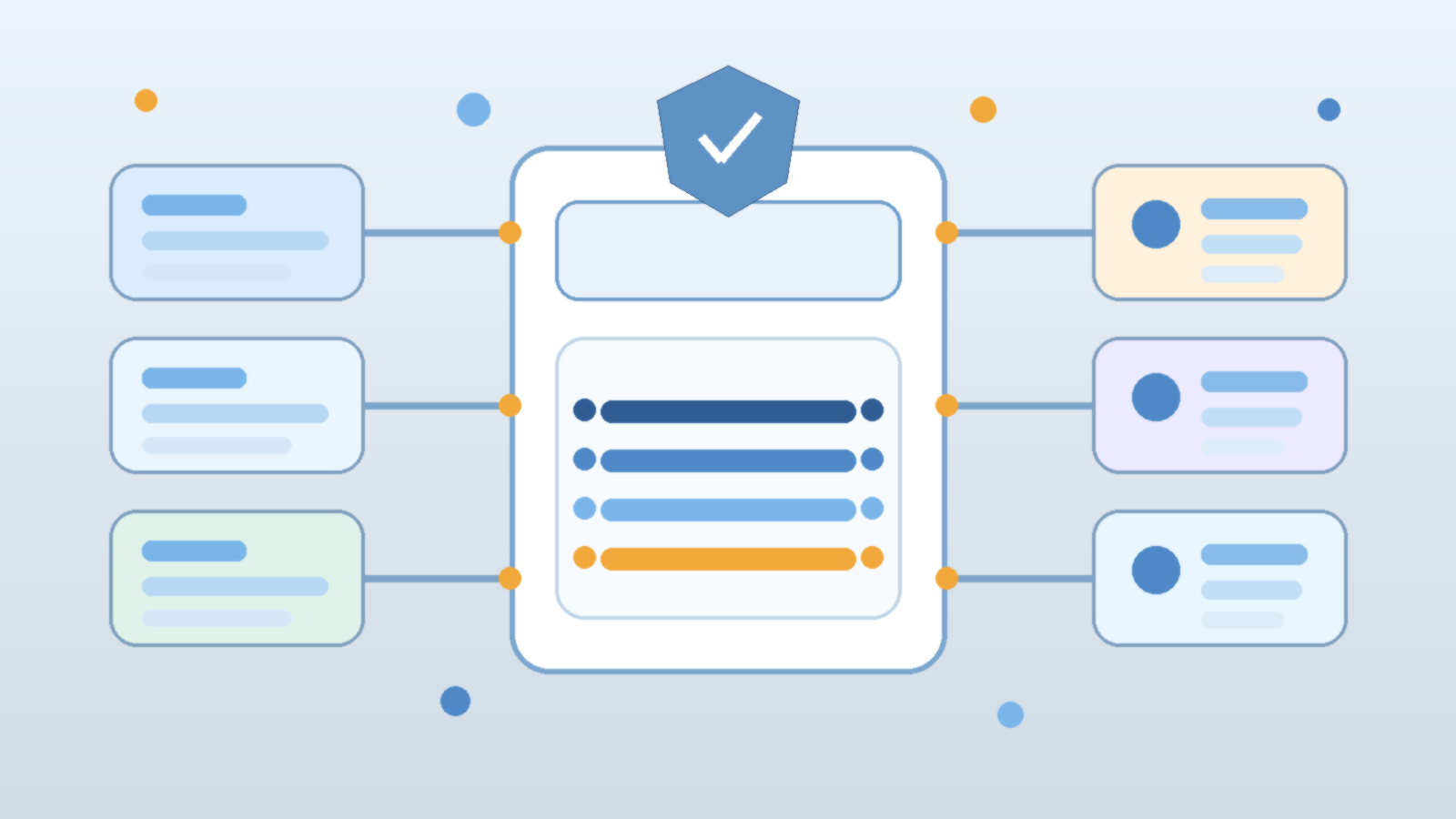
Tag: Azure API Management

  • Why AI Gateway Policy Matters More Than Model Choice Once Multiple Teams Share the Same Platform

    Why AI Gateway Policy Matters More Than Model Choice Once Multiple Teams Share the Same Platform

    Enterprise AI teams love to debate model quality, benchmark scores, and which vendor roadmap looks strongest this quarter. Those conversations matter, but they are rarely the first thing that causes trouble once several internal teams begin sharing the same AI platform. In practice, the cracks usually appear at the policy layer. A team gets access to an endpoint it should not have, another team sends more data than expected, a prototype starts calling an expensive model without guardrails, and nobody can explain who approved the path in the first place.

    That is why AI gateways deserve more attention than they usually get. The gateway is not just a routing convenience between applications and models. It is the enforcement point where an organization decides what is allowed, what is logged, what is blocked, and what gets treated differently depending on risk. When multiple teams share models, tools, and data paths, strong gateway policy often matters more than shaving a few points off a benchmark comparison.

    Model Choice Is Visible, Policy Failure Is Expensive

    Model decisions are easy to discuss because they are visible. People can compare price, latency, context windows, and output quality. Gateway policy is less glamorous. It lives in rules, headers, route definitions, authentication settings, rate limits, and approval logic. Yet that is where production risk actually gets shaped. A mediocre policy design can turn an otherwise solid model rollout into a governance mess.

    For example, one internal team may need access to a premium reasoning model for a narrow workflow, while another should only use a cheaper general-purpose model for low-risk tasks. If both can hit the same backend without strong gateway control, the platform loses cost discipline and technical separation immediately. The model may be excellent, but the operating model is already weak.

    A Gateway Creates a Real Control Plane for Shared AI

    Organizations usually mature once they realize they are not managing one chatbot. They are managing a growing set of internal applications, agents, copilots, evaluation jobs, and automation flows that all want model access. At that point, direct point-to-point access becomes difficult to defend. An AI gateway creates a proper control plane where policies can be applied consistently across workloads instead of being reimplemented poorly inside each app.

    This is where platform teams gain leverage. They can define which models are approved for which environments, which identities can reach which routes, which prompts or payload patterns should trigger inspection, and how quotas are carved up. That is far more valuable than simply exposing a common endpoint. A shared endpoint without differentiated policy is only centralized chaos.

    Route by Risk, Not Just by Vendor

    Many gateway implementations start with vendor routing. Requests for one model family go here, requests for another family go there. That is a reasonable start, but it is not enough. Mature gateways route by risk profile as well. A low-risk internal knowledge assistant should not be handled the same way as a workflow that can trigger downstream actions, access sensitive enterprise data, or generate content that enters customer-facing channels.

    Risk-based routing makes policy practical. It allows the platform to require stronger controls for higher-impact workloads: stricter authentication, tighter rate limits, additional inspection, approval gates for tool invocation, or more detailed audit logging. It also keeps lower-risk workloads from being slowed down by controls they do not need. One-size-fits-all policy usually ends in two bad outcomes at once: weak protection where it matters and frustrating friction where it does not.

    Separate Identity, Cost, and Content Controls

    A useful mental model is to treat AI gateway policy as three related layers. The first layer is identity and entitlement: who or what is allowed to call a route. The second is cost and performance governance: how often it can call, which models it can use, and what budget or quota applies. The third is content and behavior governance: what kind of input or output requires blocking, filtering, review, or extra monitoring.

    These layers should be designed separately even if they are enforced together. Teams get into trouble when they solve one layer and assume the rest is handled. Strong authentication without cost policy can still produce runaway spend. Tight quotas without content controls can still create data handling problems. Output filtering without identity separation can still let the wrong application reach the wrong backend. The point of the gateway is not to host one magic control. It is to become the place where multiple controls meet in a coherent way.

    Logging Needs to Explain Decisions, Not Just Traffic

    One underappreciated benefit of good gateway policy is auditability. It is not enough to know that a request happened. In shared AI environments, operators also need to understand why a request was allowed, denied, throttled, or routed differently. If an executive asks why a business unit hit a slower model during a launch week, the answer should be visible in policy and logs, not reconstructed from guesses and private chat threads.

    That means logs should capture policy decisions in human-usable terms. Which route matched? Which identity or application policy applied? Was a safety filter engaged? Was the request downgraded, retried, or blocked? Decision-aware logging is what turns an AI gateway from plumbing into operational governance.

    Do Not Let Every Application Bring Its Own Gateway Logic

    Without a strong shared gateway, development teams naturally recreate policy in application code. That feels fast at first. It is also how organizations end up with five different throttling strategies, three prompt filtering implementations, inconsistent authentication, and no clean way to update policy when the risk picture changes. App-level logic still has a place, but it should sit behind platform-level rules, not replace them.

    The practical standard is simple: application teams should own business behavior, while the platform owns cross-cutting enforcement. If every team can bypass that pattern, the platform has no real policy surface. It only has suggestions.

    Gateway Policy Should Change Faster Than Infrastructure

    Another reason the policy layer matters so much is operational speed. Model options, regulatory expectations, and internal risk appetite all change faster than core infrastructure. A gateway gives teams a place to adapt controls without redesigning every application. New model restrictions, revised egress rules, stricter prompt handling, or tighter quotas can be rolled out at the gateway far faster than waiting for every product team to refactor.

    That flexibility becomes critical during incidents and during growth. When a model starts behaving unpredictably, when a connector raises data exposure concerns, or when costs spike, the fastest safe response usually happens at the gateway. A platform without that layer is forced into slower, messier mitigation.

    Final Takeaway

    Once multiple teams share an AI platform, model choice is only part of the story. The gateway policy layer determines who can access models, which routes are appropriate for which workloads, how costs are constrained, how risk is separated, and whether operators can explain what happened afterward. That makes gateway policy more than an implementation detail. It becomes the operating discipline that keeps shared AI from turning into shared confusion.

    If an organization wants enterprise AI to scale cleanly, it should stop treating the gateway as a simple pass-through and start treating it as a real policy control plane. The model still matters. The policy layer is what makes the model usable at scale.
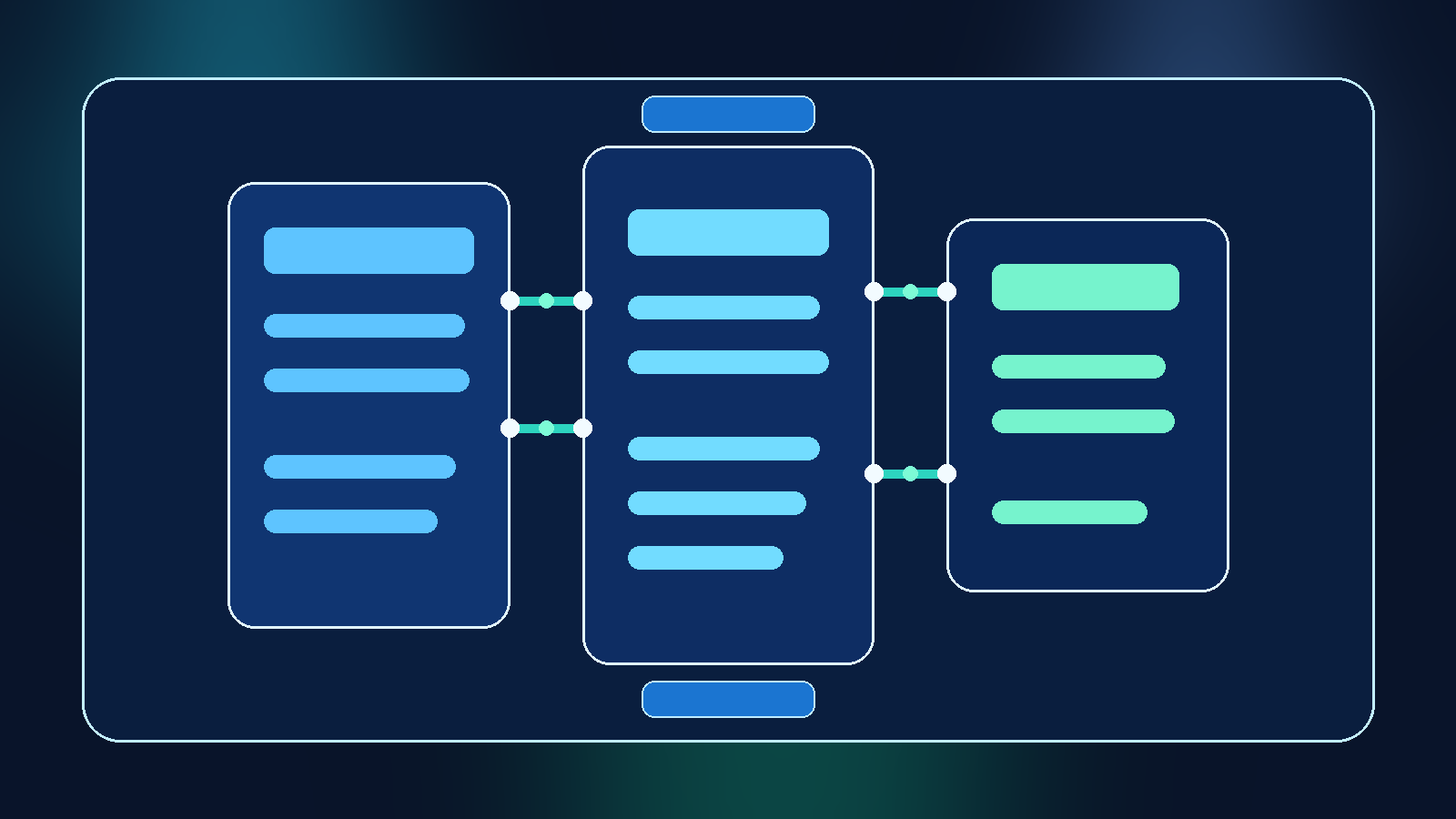
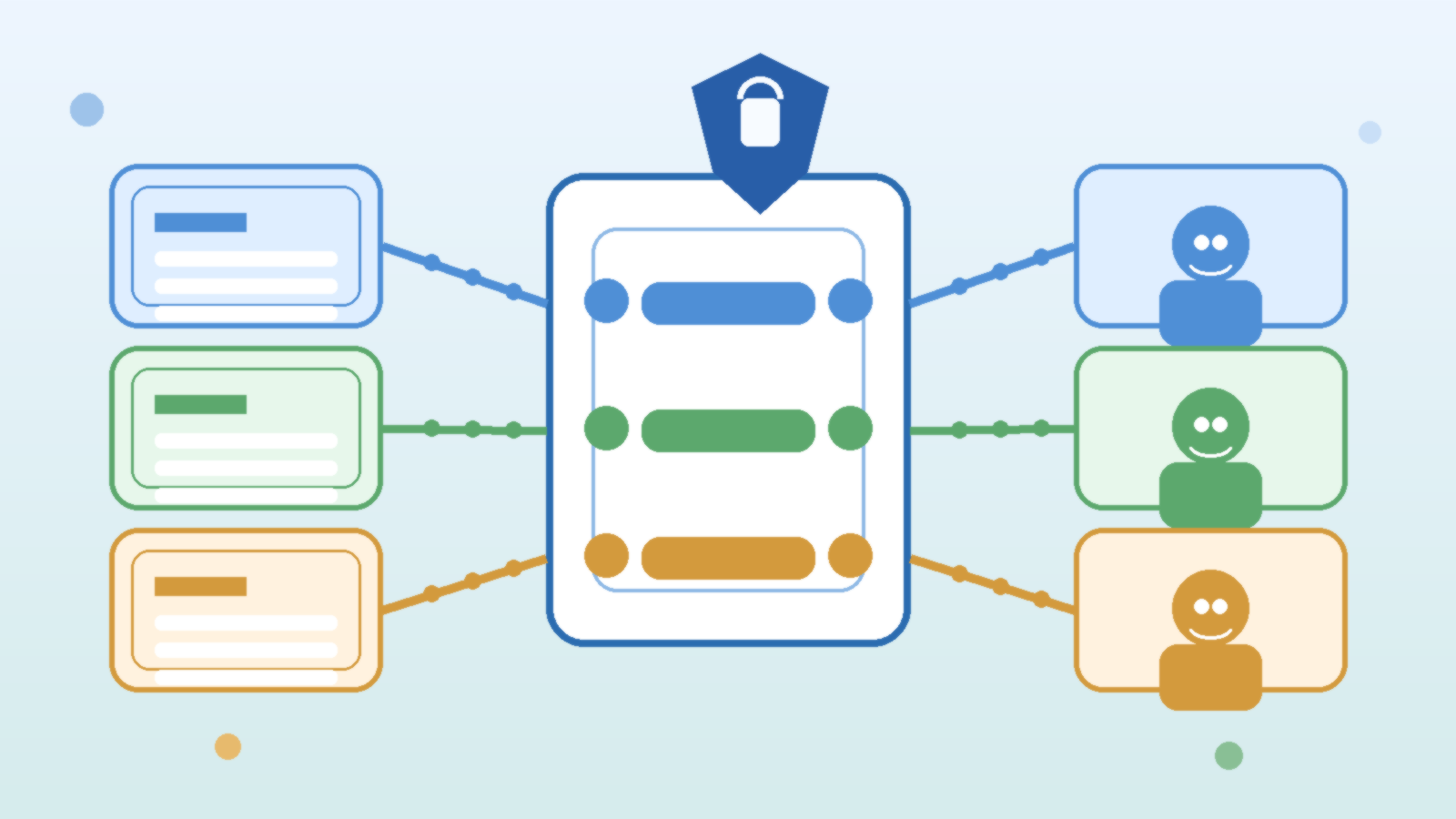
  • How to Use Azure API Management as a Policy Layer for Multi-Model AI Without Creating a Governance Mess

    How to Use Azure API Management as a Policy Layer for Multi-Model AI Without Creating a Governance Mess

    Teams often add a second or third model provider for good reasons. They want better fallback options, lower cost for simpler tasks, regional flexibility, or the freedom to use specialized models for search, extraction, and generation. The problem is that many teams wire each new provider directly into applications, which creates a policy problem long before it creates a scaling problem.

    Once every app team owns its own prompts, credentials, rate limits, logging behavior, and safety controls, the platform starts to drift. One application redacts sensitive fields before sending prompts upstream, another does not. One team enforces approved models, another quietly swaps in a new endpoint on Friday night. The architecture may still work, but governance becomes inconsistent and expensive.

    Azure API Management can help, but only if you treat it as a policy layer instead of just another proxy. Used well, APIM gives teams a place to standardize authentication, route selection, observability, and request controls across multiple AI backends. Used poorly, it becomes a fancy pass-through that adds latency without reducing risk.

    Start With the Governance Problem, Not the Gateway Diagram

    A lot of APIM conversations begin with the traffic flow. Requests enter through one hostname, policies run, and the gateway forwards traffic to Azure OpenAI or another backend. That picture is useful, but it is not the reason the pattern matters.

    The real value is that a central policy layer gives platform teams a place to define what every AI call must satisfy before it leaves the organization boundary. That can include approved model catalogs, mandatory headers, abuse protection, prompt-size limits, region restrictions, and logging standards. If you skip that design work, APIM just hides complexity rather than controlling it.

    This is why strong teams define their non-negotiables first. They decide which backends are allowed, which data classes may be sent to which provider, what telemetry is required for every request, and how emergency provider failover should behave. Only after those rules are clear does the gateway become genuinely useful.

    Separate Model Routing From Application Logic

    One of the easiest ways to create long-term chaos is to let every application decide where each prompt goes. It feels flexible in the moment, but it hard-codes provider behavior into places that are difficult to audit and even harder to change.

    A better pattern is to let applications call a stable internal API contract while APIM handles routing decisions behind that contract. That does not mean the platform team hides all choice from developers. It means the routing choices are exposed through governed products, APIs, or policy-backed parameters rather than scattered custom code.

    This separation matters when costs shift, providers degrade, or a new model becomes the preferred default for a class of workloads. If the routing logic lives in the policy layer, teams can change platform behavior once and apply it consistently. If the logic lives in twenty application repositories, every improvement turns into a migration project.

    Use Policy to Enforce Minimum Safety Controls

    APIM becomes valuable fast when it consistently enforces the boring controls that otherwise get skipped. For example, the gateway can require managed identity or approved subscription keys, reject oversized payloads, inject correlation IDs, and block calls to deprecated model deployments.

    It can also help standardize pre-processing and post-processing rules. Some teams use policy to strip known secrets from headers, route only approved workloads to external providers, or ensure moderation and content-filter metadata are captured with each transaction. The exact implementation will vary, but the principle is simple: safety controls should not depend on whether an individual developer remembered to copy a code sample correctly.

    That same discipline applies to egress boundaries. If a workload is only approved for Azure OpenAI in a specific geography, the policy layer should make the compliant path easy and the non-compliant path hard or impossible. Governance works better when it is built into the platform shape, not left as a wiki page suggestion.

    Standardize Observability Before You Need an Incident Review

    Multi-model environments fail in more ways than single-provider stacks. A request might succeed with the wrong latency profile, route to the wrong backend, exceed token expectations, or return content that technically looks valid but violates an internal policy. If observability is inconsistent, incident reviews become guesswork.

    APIM gives teams a shared place to capture request metadata, route decisions, consumer identity, policy outcomes, and response timing in a normalized way. That makes it much easier to answer practical questions later. Which apps were using a deprecated deployment? Which provider saw the spike in failed requests? Which team exceeded the expected token budget after a prompt template change?

    This data is also what turns governance from theory into management. Leaders do not need perfect dashboards on day one, but they do need a reliable way to see usage patterns, policy exceptions, and provider drift. If the gateway only forwards traffic and none of that context is retained, the control plane is missing its most useful control.

    Do Not Let APIM Become a Backdoor Around Provider Governance

    A common mistake is to declare victory once all traffic passes through APIM, even though the gateway still allows nearly any backend, key, or route the caller requests. In that setup, APIM may centralize access, but it does not centralize control.

    The fix is to govern the products and policies as carefully as the backends themselves. Limit who can publish or change APIs, review policy changes like code, and keep provider onboarding behind an approval path. A multi-model platform should not let someone create a new external AI route with less scrutiny than a normal production integration.

    This matters because gateways attract convenience exceptions. Someone wants a temporary test route, a quick bypass for a partner demo, or direct pass-through for a new SDK feature. Those requests can be reasonable, but they should be explicit exceptions with an owner and an expiration point. Otherwise the policy layer slowly turns into a collection of unofficial escape hatches.

    Build for Graceful Provider Change, Not Constant Provider Switching

    Teams sometimes hear “multi-model” and assume every request should dynamically choose the cheapest or fastest model in real time. That can work for some workloads, but it is usually not the first maturity milestone worth chasing.

    A more practical goal is graceful provider change. The platform should make it possible to move a governed workload from one approved backend to another without rewriting every client, relearning every monitoring path, or losing auditability. That is different from building an always-on model roulette wheel.

    APIM supports that calmer approach well. You can define stable entry points, approved routing policies, and controlled fallback behaviors while keeping enough abstraction to change providers when business or risk conditions change. The result is a platform that remains adaptable without becoming unpredictable.

    Final Takeaway

    Azure API Management can be an excellent policy layer for multi-model AI, but only if it carries real policy responsibility. The win is not that every AI call now passes through a prettier URL. The win is that identity, routing, observability, and safety controls stop fragmenting across application teams.

    If you are adding more than one AI backend, do not ask only how traffic should flow. Ask where governance should live. For many teams, APIM is most valuable when it becomes the answer to that second question.

  • How to Use Azure API Management as an AI Control Plane

    How to Use Azure API Management as an AI Control Plane

    Many organizations start their AI platform journey by wiring applications straight to a model endpoint and promising themselves they will add governance later. That works for a pilot, but it breaks down quickly once multiple teams, models, environments, and approval boundaries show up. Suddenly every app has its own authentication pattern, logging format, retry logic, and ad hoc content controls.

    Azure API Management can help clean that up, but only if it is treated as an AI control plane rather than a basic pass-through proxy. The goal is not to add bureaucracy between developers and models. The goal is to centralize the policies that should be consistent anyway, while letting teams keep building on top of a stable interface.

    Start With a Stable Front Door Instead of Per-App Model Wiring

    When each application connects directly to Azure OpenAI or another model provider, every team ends up solving the same platform problems on its own. One app may log prompts, another may not. One team may rotate credentials correctly, another may leave secrets in a pipeline variable for months. The more AI features spread, the more uneven that operating model becomes.

    A stable API Management front door gives teams one integration pattern for authentication, quotas, headers, observability, and policy enforcement. That does not eliminate application ownership, but it does remove a lot of repeated plumbing. Developers can focus on product behavior while the platform team handles the cross-cutting controls that should not vary from app to app.

    Put Model Routing Rules in Policy, Not in Scattered Application Code

    Model selection tends to become messy fast. A chatbot might use one deployment for low-cost summarization, another for tool calling, and a fallback model during regional incidents. If every application embeds that routing logic separately, you create a maintenance problem that looks small at first and expensive later.

    API Management policies give you a cleaner place to express routing decisions. You can steer traffic by environment, user type, request size, geography, or service health without editing six applications every time a model version changes. This also helps governance teams understand what is actually happening, because the routing rules live in one visible control layer instead of being hidden across repos and release pipelines.

    Use the Gateway to Enforce Cost and Rate Guardrails Early

    Cost surprises in AI platforms rarely come from one dramatic event. They usually come from many normal requests that were never given a sensible ceiling. A gateway layer is a practical place to apply quotas, token budgeting, request size constraints, and workload-specific rate limits before usage gets strange enough to trigger a finance conversation.

    This matters even more in internal platforms where success spreads by imitation. If one useful AI feature ships without spending controls, five more teams may copy the same pattern within a month. A control plane lets you set fair limits once and improve them deliberately instead of treating cost governance as a cleanup project.

    Centralize Identity and Secret Handling Without Hiding Ownership

    One of the least glamorous benefits of API Management is also one of the most important: it reduces the number of places where model credentials and backend connection details need to live. Managed identity, Key Vault integration, and policy-based authentication flows are not exciting talking points, but they are exactly the kind of boring consistency that keeps an AI platform healthy.

    That does not mean application teams lose accountability. They still own their prompts, user experiences, data handling choices, and business logic. The difference is that the platform team can stop secret sprawl and normalize backend access patterns before they become a long-term risk.

    Log the Right AI Signals, Not Just Generic API Metrics

    Traditional API telemetry is helpful, but AI workloads need additional context. It is useful to know more than latency and status code. Teams usually need visibility into which model deployment handled the request, whether content filters fired, which policy branch routed the call, what quota bucket applied, and whether a fallback path was used.

    When API Management sits in front of your model estate, it becomes a natural place to enrich logs and forward them into your normal monitoring stack. That makes platform reviews, incident response, and capacity planning much easier because AI traffic is described in operational terms rather than treated like an opaque blob of HTTP requests.

    Keep the Control Plane Thin Enough That Developers Do Not Fight It

    There is a trap here: once a gateway becomes central, it is tempting to cram every idea into it. If the control plane becomes slow, hard to version, or impossible to debug, teams will look for a way around it. Good platform design means putting shared policy in the gateway while leaving product-specific behavior in the application where it belongs.

    A useful rule is to centralize what should be consistent across teams, such as authentication, quotas, routing, basic safety checks, and observability. Leave conversation design, retrieval strategy, business workflow decisions, and user-facing behavior to the teams closest to the product. That balance protects the platform without turning it into a bottleneck.

    Final Takeaway

    Azure API Management is not the whole AI governance story, but it is a strong place to anchor the parts that benefit from consistency. Used well, it gives developers a predictable front door, gives platform teams a durable policy layer, and gives leadership a clearer answer to the question of how AI traffic is being controlled.

    If you want AI teams to move quickly without rebuilding governance from scratch in every repo, treat API Management as an AI control plane. Keep the policies visible, keep the developer experience sane, and keep the shared rules centralized enough that scaling does not turn into drift.