Tag: AI

  • Why Internal AI Teams Need Model Upgrade Runbooks Before They Swap Providers

    Why Internal AI Teams Need Model Upgrade Runbooks Before They Swap Providers

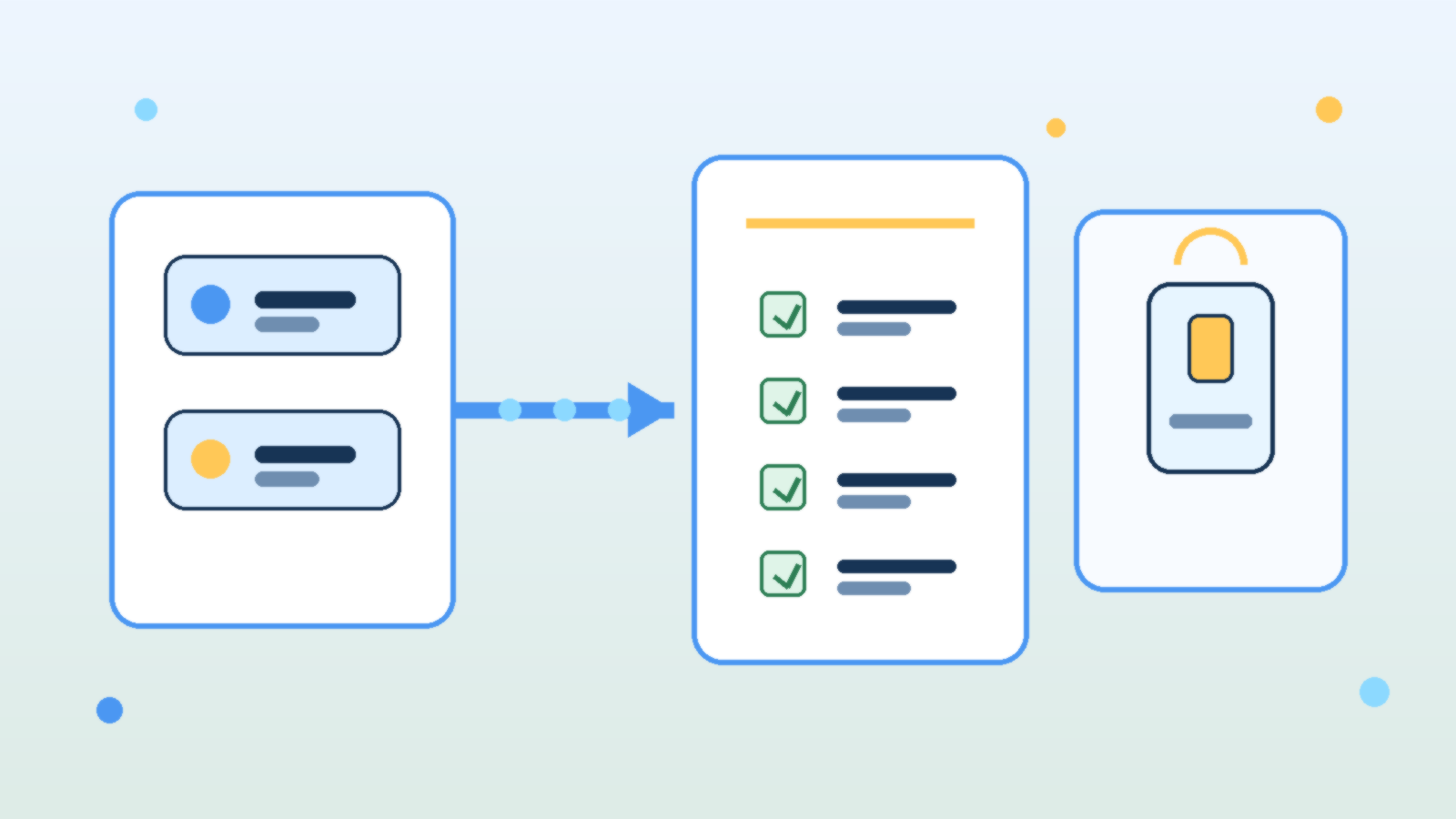
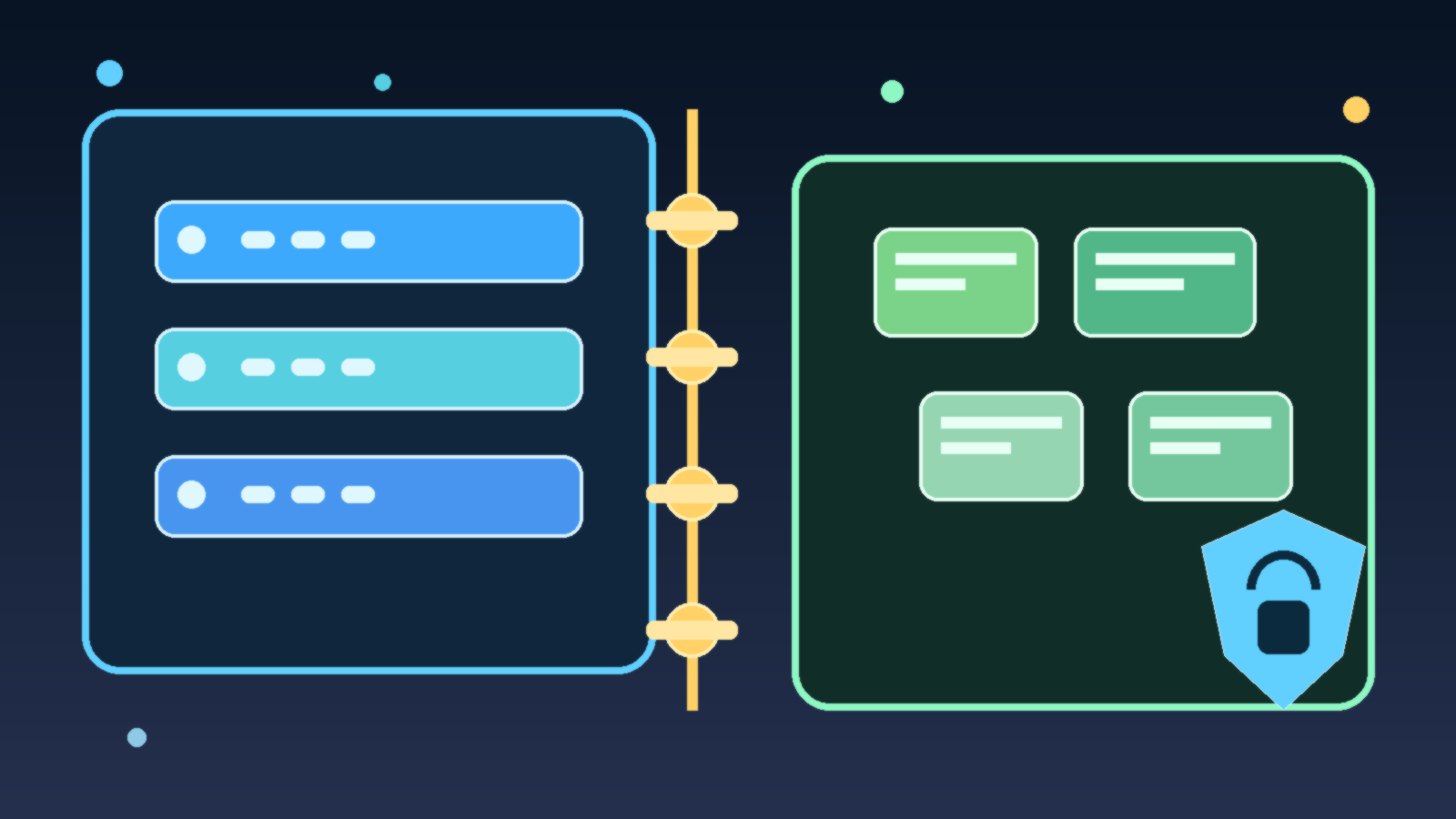
    Abstract illustration of AI model cards moving through a checklist into a production application panel

    Teams love to talk about model swaps as if they are simple configuration changes. In practice, changing from one LLM to another can alter output style, refusal behavior, latency, token usage, tool-calling reliability, and even the kinds of mistakes the system makes. If an internal AI product is already wired into real work, a model upgrade is an operational change, not just a settings tweak.

    That is why mature teams need a model upgrade runbook before they swap providers or major versions. A runbook forces the team to review what could break, what must be tested, who signs off, and how to roll back if the new model behaves differently under production pressure.

    Treat Model Changes Like Product Changes, Not Playground Experiments

    A model that looks impressive in a demo may still be a poor fit for a production workflow. Some models sound more confident while being less careful with facts. Others are cheaper but noticeably worse at following structured instructions. Some are faster but more fragile when long context, multi-step reasoning, or tool use enters the picture.

    The point is not that newer models are bad. The point is that every model has a behavioral profile, and changing that profile affects the product your users actually experience. If your team treats a model swap like a harmless backend refresh, you are likely to discover the differences only after customers or coworkers do.

    Document the Critical Behaviors You Cannot Afford to Lose

    Before any upgrade, the team should name the behaviors that matter most. That list usually includes answer quality, citation discipline, formatting consistency, safety boundaries, cost per task, tool-calling success, and latency under normal load. A runbook is useful because it turns vague concerns into explicit checks.

    Without that baseline, teams judge the new model by vibes. One person likes the tone, another likes the price, and nobody notices that JSON outputs started drifting, refusal rates changed, or the assistant now needs more retries to complete the same job. Operational clarity beats subjective enthusiasm here.

    Test Prompts, Guardrails, and Tools Together

    Prompt behavior rarely transfers perfectly across models. A system prompt that produced clean structured output on one provider may become overly verbose, too cautious, or unexpectedly brittle on another. The same goes for moderation settings, retrieval grounding, and function-calling schemas. A good runbook assumes that the whole stack needs validation, not just the model name.

    This is especially important for internal AI tools that trigger actions or surface sensitive knowledge. Teams should test realistic workflows end to end: the prompt, the retrieved context, the safety checks, the tool call, the final answer, and the failure path. A model that performs well in isolation can still create operational headaches when dropped into a real chain of dependencies.

    Plan for Cost and Latency Drift Before Finance or Users Notice

    Many upgrades are justified by capability gains, but those gains often come with a price profile or latency pattern that changes how the product feels. If the new model uses more tokens, refuses caching opportunities, or responds more slowly during peak periods, the product may become harder to budget or less pleasant to use even if answer quality improves.

    A runbook should require teams to test representative workloads, not just a few hand-picked prompts. That means checking throughput, token consumption, retry frequency, and timeout behavior on the tasks people actually run every day. Otherwise the first real benchmark becomes your production bill.

    Define Approval Gates and a Rollback Path

    The strongest runbooks include explicit approval gates. Someone should confirm that quality testing passed, safety checks still hold, cost impact is acceptable, and the user-facing experience is still aligned with the product’s purpose. This does not need to be bureaucratic theater, but it should be deliberate.

    Rollback matters just as much. If the upgraded model starts failing under live conditions, the team should know how to revert quickly without improvising credentials, prompts, or routing rules under stress. Fast rollback is one of the clearest signals that a team respects AI changes as operational work instead of magical experimentation.

    Capture What Changed So the Next Upgrade Is Easier

    Every model swap teaches something about your product. Maybe the new model required shorter tool instructions. Maybe it handled retrieval better but overused hedging language. Maybe it cut cost on simple tasks but struggled with the long documents your users depend on. Those lessons should be captured while they are fresh.

    This is where teams either get stronger or keep relearning the same pain. A short post-upgrade note about prompt changes, known regressions, evaluation results, and rollback conditions turns one migration into reusable operational knowledge.

    Final Takeaway

    Internal AI products are not stable just because the user interface stays the same. If the underlying model changes, the product changes too. Teams that treat upgrades like serious operational events usually catch regressions early, protect costs, and keep trust intact.

    The practical move is simple: build a runbook before you need one. When the next provider release or pricing shift arrives, you will be able to test, approve, and roll back with discipline instead of hoping the new model behaves exactly like the old one.

  • How to Set AI Data Boundaries Before Your Team Builds the Wrong Thing

    How to Set AI Data Boundaries Before Your Team Builds the Wrong Thing

    AI projects rarely become risky because a team wakes up one morning and decides to ignore common sense. Most problems start much earlier, when people move quickly with unclear assumptions about what data they can use, where it can go, and what the model is allowed to retain. By the time governance notices, the prototype already exists and nobody wants to slow it down.

    That is why data boundaries matter so much. They turn vague caution into operational rules that product managers, developers, analysts, and security teams can actually follow. If those rules are missing, even a well-intentioned AI effort can drift into risky prompt logs, accidental data exposure, or shadow integrations that were never reviewed properly.

    Start With Data Classes, Not Model Hype

    Teams often begin with model selection, vendor demos, and potential use cases. That sequence feels natural, but it is backwards. The first question should be what kinds of data the use case needs: public content, internal business information, customer records, regulated data, source code, financial data, or something else entirely.

    Once those classes are defined, governance stops being abstract. A team can see immediately whether a proposed workflow belongs in a low-risk sandbox, a tightly controlled enterprise environment, or nowhere at all. That clarity prevents expensive rework because the project is shaped around reality instead of optimism.

    Define Three Buckets People Can Remember

    Many organizations make data policy too complicated for daily use. A practical approach is to create three working buckets: allowed, restricted, and prohibited. Allowed data can be used in approved AI tools under normal controls. Restricted data may require a specific vendor, logging settings, human review, or an isolated environment. Prohibited data stays out of the workflow entirely until policy changes.

    This model is not perfect, but it is memorable. That matters because governance fails when policy only lives inside long documents nobody reads during a real project. Simple buckets give teams a fast decision aid before a prototype becomes a production dependency.

    • Allowed: low-risk internal knowledge, public documentation, or synthetic test content in approved tools.
    • Restricted: customer data, source code, financial records, or sensitive business context that needs stronger controls.
    • Prohibited: data that creates legal, contractual, or security exposure if placed into the current workflow.

    Attach Boundaries to Real Workflows

    Policy becomes useful when it maps to the tasks people are already trying to do. Summarizing meeting notes, drafting support replies, searching internal knowledge, reviewing code, and extracting details from contracts all involve different data paths. If the organization publishes only general statements about “using AI responsibly,” employees will interpret the rules differently and fill gaps with guesswork.

    A better pattern is to publish approved workflow examples. Show which tools are allowed for document drafting, which environments can touch source code, which data requires redaction first, and which use cases need legal or security review. Good examples reduce both accidental misuse and unnecessary fear.

    Decide What Happens to Prompts, Outputs, and Logs

    AI data boundaries are not only about the original input. Teams also need to know what happens to prompts, outputs, telemetry, feedback thumbs, and conversation history. A tool may look safe on the surface while quietly retaining logs in a place that violates policy or creates discovery problems later.

    This is where governance teams need to be blunt. If a vendor stores prompts by default, say so. If retention can be disabled only in an enterprise tier, document that requirement. If outputs can be copied into downstream systems, include those systems in the review. Boundaries should follow the whole data path, not just the first upload.

    Make the Safe Path Faster Than the Unsafe Path

    Employees route around controls when the approved route feels slow, confusing, or unavailable. If the company wants people to avoid consumer tools for sensitive work, it needs to provide an approved alternative that is easy to access and documented well enough to use without a scavenger hunt.

    That means governance is partly a product problem. The secure option should come with clear onboarding, known use cases, and decision support for edge cases. When the safe path is fast, most people will take it. When it is painful, shadow AI becomes the default.

    Review Boundary Decisions Before Scale Hides the Mistakes

    Data boundaries should be reviewed early, then revisited when a pilot grows into a real business process. A prototype that handles internal notes today may be asked to process customer messages next quarter. That change sounds incremental, but it can move the workflow into a completely different risk category.

    Good governance teams expect that drift and check for it on purpose. They do not assume the original boundary decision stays valid forever. A lightweight review at each expansion point is far cheaper than discovering later that an approved experiment quietly became an unapproved production system.

    Final Takeaway

    AI teams move fast when the boundaries are clear and trustworthy. They move recklessly when the rules are vague, buried, or missing. If you want better AI outcomes, do not start with slogans about innovation. Start by defining what data is allowed, what data is restricted, and what data is off limits before anyone builds the wrong thing around the wrong assumptions.

    That one step will not solve every governance problem, but it will prevent a surprising number of avoidable ones.

  • Why AI Cost Controls Break Without Usage-Level Visibility

    Why AI Cost Controls Break Without Usage-Level Visibility

    Enterprise leaders love the idea of AI productivity, but finance teams usually meet the bill before they see the value. That is why so many “AI cost optimization” efforts stall out. They focus on list prices, model swaps, or a single monthly invoice, while the real problem lives one level deeper: nobody can clearly see which prompts, teams, tools, and workflows are creating cost and whether that cost is justified.

    If your organization only knows that “AI spend went up,” you do not have cost governance. You have an expensive mystery. The fix is not just cheaper models. It is usage-level visibility that links technical activity to business intent.

    Why top-line AI spend reports are not enough

    Most teams start with the easiest number to find: total spend by vendor or subscription. That is a useful starting point, but it does not help operators make better decisions. A monthly platform total cannot tell you whether cost growth came from a successful customer support assistant, a badly designed internal chatbot, or developers accidentally sending huge contexts to a premium model.

    Good governance needs a much tighter loop. You should be able to answer practical questions such as which application generated the call, which user or team triggered it, which model handled it, how many tokens or inference units were consumed, whether retrieval or tool calls were involved, how long it took, and what business workflow the request supported. Without that level of detail, every cost conversation turns into guesswork.

    The unit economics every AI team should track

    The most useful AI cost metric is not cost per month. It is cost per useful outcome. That outcome will vary by workload. For a support assistant, it may be cost per resolved conversation. For document processing, it may be cost per completed file. For a coding assistant, it may be cost per accepted suggestion or cost per completed task.

    • Cost per request: the baseline price of serving a single interaction.
    • Cost per session or workflow: the full spend for a multi-step task, including retries and tool calls.
    • Cost per successful outcome: the amount spent to produce something that actually met the business goal.
    • Cost by team, feature, and environment: the split that shows whether spend is concentrated in production value or experimental churn.
    • Latency and quality alongside cost: because a cheaper answer is not better if it is too slow or too poor to use.

    Those metrics let you compare architectures in a way that matters. A larger model can be the cheaper option if it reduces retries, escalations, or human cleanup. A smaller model can be the costly option if it creates low-quality output that downstream teams must fix manually.

    Where AI cost visibility usually breaks down

    The breakdown usually happens at the application layer. Finance may see vendor charges. Platform teams may see API traffic. Product teams may see user engagement. But those views are often disconnected. The result is a familiar pattern: everyone has data, but nobody has an explanation.

    There are a few common causes. Prompt versions are not tracked. Retrieval calls are billed separately from model inference. Caching savings are invisible. Development and production traffic are mixed together. Shared service accounts hide ownership. Tool-using agents create multi-step costs that never get tied back to a single workflow. By the time someone asks why a budget doubled, the evidence is scattered across logs, dashboards, and invoices.

    What a usable AI cost telemetry model looks like

    The cleanest approach is to treat AI activity like any other production workload: instrument it, label it, and make it queryable. Every request should carry metadata that survives all the way from the user action to the billing record. That usually means attaching identifiers for the application, feature, environment, tenant, user role, experiment flag, prompt template, model, and workflow instance.

    From there, you can build dashboards that answer the questions leadership actually asks. Which features have the best cost-to-value ratio? Which teams are burning budget in testing? Which prompt releases increased average token usage? Which workflows should move to a cheaper model? Which ones deserve a premium model because the business value is strong?

    If you are running AI on Azure, this usually means combining application telemetry, Azure Monitor or Log Analytics data, model usage metrics, and chargeback labels in a consistent schema. The exact tooling matters less than the discipline. If your labels are sloppy, your analysis will be sloppy too.

    Governance should shape behavior, not just reporting

    Visibility only matters if it changes decisions. Once you can see cost at the workflow level, you can start enforcing sensible controls. You can set routing rules that reserve premium models for high-value scenarios. You can cap context sizes. You can detect runaway agent loops. You can require prompt reviews for changes that increase average token consumption. You can separate experimentation budgets from production budgets so innovation does not quietly eat operational margin.

    That is where AI governance becomes practical instead of performative. Instead of generic warnings about responsible use, you get concrete operating rules tied to measurable behavior. Teams stop arguing in the abstract and start improving what they can actually see.

    A better question for leadership to ask

    Many executives ask, “How do we lower AI spend?” That is understandable, but it is usually the wrong first question. The better question is, “Which AI workloads have healthy unit economics, and which ones are still opaque?” Once you know that, cost reduction becomes a targeted exercise instead of a blanket reaction.

    AI programs do not fail because the invoices exist. They fail because leaders cannot distinguish productive spend from noisy spend. Usage-level visibility is what turns AI from a budget risk into an operating discipline. Until you have it, cost control will always feel one step behind reality.

  • What Good AI Agent Governance Looks Like in Practice

    What Good AI Agent Governance Looks Like in Practice

    AI agent governance is turning into one of those phrases that sounds solid in a strategy deck and vague everywhere else. Most teams agree they need it. Fewer teams can explain what it looks like in day-to-day operations when agents are handling requests, touching data, and making decisions inside real business workflows.

    The practical version is less glamorous than the hype cycle suggests. Good governance is not a single approval board and it is not a giant document nobody reads. It is a set of operating rules that make agents visible, constrained, reviewable, and accountable before they become deeply embedded in the business.

    Start With a Clear Owner for Every Agent

    An agent without a named owner is a future cleanup problem. Someone needs to be responsible for what the agent is allowed to do, which data it can touch, which systems it can call, and what happens when it behaves badly. This is true whether the agent was built by a platform team, a security group, or a business unit using a low-code tool.

    Ownership matters because AI agents rarely fail in a neat technical box. A bad permission model, an overconfident workflow, or a weak human review step can all create risk. If nobody owns the full operating model, issues bounce between teams until the problem becomes expensive enough to get attention.

    Treat Identity and Access as Product Design, Not Setup Work

    Many governance problems start with identity shortcuts. Agents get broad service credentials because it is faster. Connectors inherit access nobody re-evaluates. Test workflows keep production permissions because nobody wants to break momentum. Then the organization acts surprised when an agent can see too much or trigger the wrong action.

    Good practice is boring on purpose: least privilege, scoped credentials, environment separation, and explicit approval for high-risk actions. If an agent drafts a change request, that is different from letting it execute the change. If it summarizes financial data, that is different from letting it publish a finance-facing decision. Those lines should be designed early, not repaired after an incident.

    Put Approval Gates Where the Business Risk Actually Changes

    Not every agent action deserves the same level of friction. Requiring human approval for everything creates theater and pushes people toward shadow tools. Requiring approval for nothing creates a different kind of mess. The smarter approach is to put gates at the moments where consequences become meaningfully harder to undo.

    For most organizations, those moments include sending externally, changing records of authority, spending money, granting access, and triggering irreversible workflow steps. Internal drafting, summarization, or recommendation work may need logging and review without needing a person to click approve every single time. Governance works better when it follows risk gradients instead of blanket fear.

    Make Agent Behavior Observable Without Turning It Into Noise

    If teams cannot see which agents are active, what tools they use, which policies they hit, and where they fail, they do not have governance. They have hope. That does not mean collecting everything forever. It means keeping the signals that help operations and accountability: workflow context, model path, tool calls, approval state, policy decisions, and enough event history to investigate a problem properly.

    The quality of observability matters more than sheer volume. Useful governance data should help a team answer concrete questions: which agent handled this task, who approved the risky step, what data boundary was crossed, and what changed after the rollout. If the logs cannot support those answers, the governance layer is mostly decorative.

    Review Agents as Living Systems, Not One-Time Projects

    AI agents drift. Prompts change, models change, connectors change, and business teams start relying on workflows in ways nobody predicted during the pilot. That is why launch approval is only the start. Strong teams schedule lightweight reviews that check whether an agent still has the right access, still matches its documented purpose, and still deserves the trust the business is placing in it.

    Those reviews do not need to be dramatic. A recurring review can confirm ownership, recent incidents, policy exceptions, usage growth, and whether the original guardrails still match the current risk. The important thing is that review is built into the lifecycle. Agents should not become invisible just because they survived their first month.

    Keep the Human Role Real

    Governance fails when “human in the loop” becomes a slogan attached to fake oversight. If the reviewer lacks context, lacks authority, or is expected to rubber-stamp outputs at speed, the control is mostly cosmetic. A real human control means the person understands what they are approving and has a credible path to reject, revise, or escalate the action.

    This matters because the social part of governance is easy to underestimate. Teams need to know when they are accountable for an agent outcome and when the platform itself should carry the burden. Good operating models remove that ambiguity before the first messy edge case lands on someone’s desk.

    Final Takeaway

    Good AI agent governance is not abstract. It looks like named ownership, constrained access, risk-based approval gates, useful observability, scheduled review, and human controls that mean something. None of that kills innovation. It keeps innovation from quietly turning into operational debt with a smarter marketing label.

    Organizations do not need perfect governance before they start using agents. They do need enough structure to know who built what, what it can do, when it needs oversight, and how to pull it back when reality gets more complicated than the demo.

  • How to Keep AI Usage Logs Useful Without Turning Them Into Employee Surveillance

    How to Keep AI Usage Logs Useful Without Turning Them Into Employee Surveillance

    Once teams start using internal AI tools, the question of logging shows up quickly. Leaders want enough visibility to investigate bad outputs, prove policy compliance, control costs, and spot risky behavior. Employees, meanwhile, do not want every prompt treated like a surveillance feed. Both instincts are understandable, which is why careless logging rules create trouble fast.

    The useful framing is simple: the purpose of AI usage logs is to improve system accountability, not to watch people for the sake of watching them. When logging becomes too vague, security and governance break down. When it becomes too invasive, trust breaks down. A good policy protects both.

    Start With the Questions You Actually Need to Answer

    Many logging programs fail because they begin with a technical capability instead of a governance need. If a platform can capture everything, some teams assume they should capture everything. That is backwards. First define the questions the logs need to answer. Can you trace which tool handled a sensitive task? Can you investigate a policy violation? Can you explain a billing spike? Can you reproduce a failure that affected a customer or employee workflow?

    Those questions usually point to a narrower set of signals than full prompt hoarding. In many environments, metadata such as user role, tool name, timestamp, model, workflow identifier, approval path, and policy outcome will do more governance work than raw prompt text alone. The more precise the operational question, the less tempted a team will be to collect data just because it is available.

    Separate Security Logging From Performance Review Data

    This is where a lot of organizations get themselves into trouble. If employees believe AI logs will quietly flow into performance management, the tools become politically radioactive. People stop experimenting, work around approved tools, or avoid useful automation because every interaction feels like evidence waiting to be misread.

    Teams should explicitly define who can access AI logs and for what reasons. Security, platform engineering, and compliance functions may need controlled access for incident response, troubleshooting, or audit support. That does not automatically mean direct managers should use prompt histories as an informal productivity dashboard. If the boundaries are real, write them down. If they are not written down, people will assume the broadest possible use.

    Log the Workflow Context, Not Just the Prompt

    A prompt without context is easy to overinterpret. Someone asking an AI tool to draft a termination memo, summarize a security incident, or rephrase a customer complaint may be doing legitimate work. The meaningful governance signal often comes from the surrounding workflow, not the sentence fragment itself.

    That is why mature logging should connect AI activity to the business process around it. Record whether the interaction happened inside an approved HR workflow, a ticketing tool, a document review pipeline, or an engineering assistant. Track whether the output was reviewed by a human, blocked by policy, or sent to an external system. This makes investigations more accurate and reduces the chance that a single alarming prompt gets ripped out of context.

    Redact and Retain Deliberately

    Not every log field needs the same lifespan. Sensitive prompt content, uploaded files, and generated outputs should be handled with more care than high-level event metadata. In many cases, teams can store detailed content for a shorter retention window while keeping less sensitive control-plane records longer for audit and trend analysis.

    Redaction matters too. If prompts may contain personal data, legal material, health information, or customer secrets, a logging strategy that blindly stores raw text creates a second data-governance problem in the name of solving the first one. Redaction pipelines, access controls, and tiered retention are not optional polish. They are part of the design.

    Make Employees Aware of the Rules Before Problems Happen

    Trust does not come from saying, after the fact, that the logs were only meant for safety. It comes from telling people up front what is collected, why it is collected, how long it is retained, and who can review it. A short plain-language policy often does more good than a dense governance memo nobody reads.

    That policy should also explain what the logs are not for. If the organization is serious about avoiding surveillance drift, say so clearly. Employees do not need perfect silence around monitoring. They need predictable rules and evidence that leadership can follow its own boundaries.

    Good Logging Should Reduce Fear, Not Increase It

    The best AI governance programs make responsible use easier. Good logs support incident reviews, debugging, access control, and policy enforcement without turning every employee interaction into a suspicion exercise. That balance is possible, but only if teams resist the lazy idea that maximum collection equals maximum safety.

    If your AI logging approach would make a reasonable employee assume they are being constantly watched, it probably needs redesign. Useful governance should create accountability for systems and decisions. It should not train people to fear the tools that leadership wants them to use well.

    Final Takeaway

    AI usage logs are worth keeping, but they need purpose, limits, and context. Collect enough to investigate risk, improve reliability, and satisfy governance obligations. Avoid turning a technical control into a cultural liability. When the logging model is narrow, transparent, and role-based, teams get safer AI operations without sliding into employee surveillance by accident.

  • How to Keep Internal AI Tools From Becoming Shadow IT

    How to Keep Internal AI Tools From Becoming Shadow IT

    Internal AI tools usually start with good intentions. A team wants faster summaries, better search, or a lightweight assistant that understands company documents. Someone builds a prototype, people like it, and adoption jumps before governance catches up.

    That is where the risk shows up. An internal AI tool can feel small because it lives inside the company, but it still touches sensitive data, operational workflows, and employee trust. If nobody owns the boundaries, the tool can become shadow IT with better marketing.

    Speed Without Ownership Creates Quiet Risk

    Fast internal adoption often hides basic unanswered questions. Who approves new data sources? Who decides whether the system can take action instead of just answering questions? Who is on the hook when the assistant gives a bad answer about policy, architecture, or customer information?

    If those answers are vague, the tool is already drifting into shadow IT territory. Teams may trust it because it feels useful, while leadership assumes someone else is handling the risk. That gap is how small experiments grow into operational dependencies with weak accountability.

    Start With a Clear Operating Boundary

    The strongest internal AI programs define a narrow first job. Maybe the assistant can search approved documentation, summarize support notes, or draft low-risk internal content. That is a much healthier launch point than giving it broad access to private systems on day one.

    A clear boundary makes review easier because people can evaluate a real use case instead of a vague promise. It also gives the team a chance to measure quality and failure modes before the system starts touching higher-risk workflows.

    Decide Which Data Is In Bounds Before People Ask

    Most governance trouble shows up around data, not prompts. Employees will naturally ask the tool about contracts, HR issues, customer incidents, pricing notes, and half-finished strategy documents if the interface allows it. If the system has access, people will test the edge.

    That means teams should define approved data sources before broad rollout. It helps to write the rule in plain language: what the assistant may read, what it must never ingest, and what requires an explicit review path first. Ambiguity here creates avoidable exposure.

    Give the Tool a Human Escalation Path

    Internal AI should not pretend it can safely answer everything. When confidence is low, policy is unclear, or a request would trigger a sensitive action, the system needs a graceful handoff. That might be a support queue, a documented owner, or a clear instruction to stop and ask a human reviewer.

    This matters because trust is easier to preserve than repair. People can accept a tool that says, “I am not the right authority for this.” They lose trust quickly when it sounds confident and wrong in a place where accuracy matters.

    Measure More Than Usage

    Adoption charts are not enough. A healthy internal AI program also watches for error patterns, risky requests, stale knowledge, and the amount of human review still required. Those signals reveal whether the tool is maturing into infrastructure or just accumulating unseen liabilities.

    • Track which sources the assistant relies on most often.
    • Review failed or escalated requests for patterns.
    • Check whether critical guidance stays current after policy changes.
    • Watch for teams using the tool outside its original scope.

    That kind of measurement keeps leaders grounded in operational reality. It shifts the conversation from “people are using it” to “people are using it safely, and we know where it still breaks.”

    Final Takeaway

    Internal AI tools do not become shadow IT because teams are reckless. They become shadow IT because usefulness outruns ownership. The cure is not endless bureaucracy. It is clear scope, defined data boundaries, accountable operators, and a visible path for human review when the tool reaches its limits.

    If an internal assistant is becoming important enough that people depend on it, it is important enough to govern like a real system.

  • Why Family Rules for AI Photo Editing Should Start With Consent

    Why Family Rules for AI Photo Editing Should Start With Consent

    AI photo editing has become weirdly normal, weirdly fast. A family can now remove backgrounds, smooth blemishes, age a portrait, swap styles, or build a silly birthday image in minutes. Some of that is harmless fun. Some of it gets uncomfortable quickly, especially when one person edits another person’s face or body without asking first.

    That is why the most useful household rule is not about which app to ban. It is about consent. Before a family shares, posts, or even circulates an AI-edited photo of another person, there should be a clear yes from the person being edited or from a parent when the subject is a younger child. This is less about being dramatic and more about keeping trust intact while the tools get more powerful.

    AI Editing Changes More Than Color and Lighting

    Traditional photo edits usually fix exposure, crop a frame, or sharpen a blurry shot. AI tools can do much more. They can reshape expressions, invent backgrounds, change clothing details, and produce a version of a moment that never actually happened. That shift matters because the edit is no longer just cleanup. It can become a new story about a real person.

    In a family context, that is where friction starts. A teenager may not want an edited image shared with relatives. A spouse may dislike a heavily filtered version that feels fake. A younger child may be too young to understand how far a playful edit can spread once it lands in a group chat or social feed.

    Consent Protects Trust Better Than After-the-Fact Apologies

    Families often treat photo sharing as informal because the people involved already know each other. But familiarity does not erase discomfort. If someone sees a stylized or altered version of themselves after it has already been posted, the conversation starts from embarrassment instead of respect.

    A simple ask-first habit changes the tone completely. It tells people that creativity is welcome, but control over your own image still matters. That is a useful lesson for adults and kids alike because it scales beyond family life into school, friendships, and social media norms.

    Set Different Rules for Private Fun and Public Sharing

    Not every playful edit needs a family policy meeting. A goofy image made for a birthday card or a private laugh may be fine when everyone is in on the joke. Problems usually start when the image leaves that context. Once an edited photo is posted publicly or forwarded broadly, it becomes much harder to pull back.

    A practical household rule is to divide photo edits into two lanes. Private, clearly harmless edits can stay in the family chat if the people involved are comfortable. Public posts, profile pictures, school-related uses, or anything that changes a person’s appearance in a meaningful way should require explicit approval first.

    • Ask before editing someone else’s face, body, or expression in a noticeable way.
    • Ask again before posting an AI-edited image outside the immediate family chat.
    • Avoid edits that make a child look older, more glamorous, or substantially different from reality for public sharing.
    • Delete the edit without debate if the subject says they are uncomfortable with it.

    Those rules are not complicated, and that is the point. Families follow the boundaries they can remember in real life.

    Children Need Protection From Both Strangers and Familiar Pressure

    When kids are involved, the stakes go up. Adults may focus on obvious privacy risks like location clues or school logos in the background, but AI edits create a second problem: they can shape a child’s digital identity before the child has any say in it. A steady stream of polished, stylized, or heavily altered images can quietly teach kids that their ordinary face is not the version worth sharing.

    That is one reason to keep public AI edits of children rare and boring. Families do not need to turn every holiday snapshot into an uncanny masterpiece. Most of the time, the healthier choice is to save the creative experiments for local use and keep public sharing more grounded in reality.

    Use AI Tools That Let You Stay in Control

    The app itself matters too. Some tools make private review easy, while others push users toward instant sharing, cloud syncing, or public templates. For family use, calmer tools are usually better. The best app is not the one with the most viral effects. It is the one that lets you preview, save locally, and decide deliberately what happens next.

    It is also smart to check whether uploaded images are used to train models, stored by default, or attached to a social profile. A tool that feels playful on the surface may still collect more than a family expects. That is another good reason to keep the household rule simple: if you would feel weird explaining the edit and the app’s behavior later, slow down first.

    The Best Family Rule Is Boring and Clear

    Families do not need a hundred-photo policy. They need one sturdy default: ask before you meaningfully edit someone else’s image, and ask before you share it beyond the room it was made for. That rule respects dignity, prevents avoidable arguments, and teaches kids that technology should not outrun consent.

    AI photo editing is not going away. The households that handle it best will not be the ones with the fanciest tools. They will be the ones that keep trust more important than novelty.