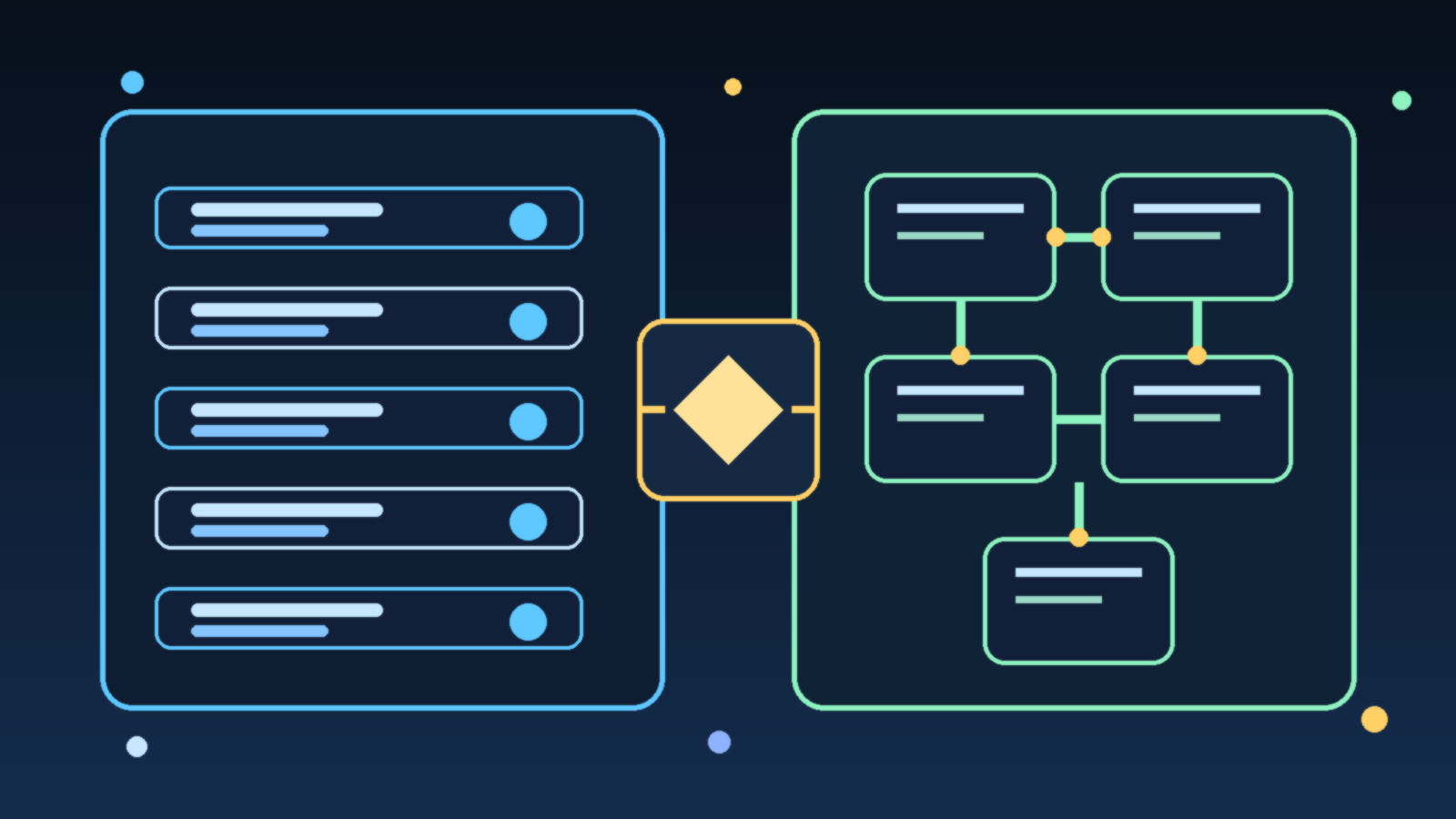
By 2026, most serious AI teams are no longer deciding whether to build with large models at all. They are deciding how much of the surrounding platform they want to own. That is where the real comparison between Azure AI Foundry and open source stacks starts. The argument is not just managed versus self-hosted. It is operational convenience versus architectural control, and both come with real tradeoffs.
Azure AI Foundry gives teams a faster path to enterprise integration, governance features, and a cleaner front door for model work inside a Microsoft-heavy environment. Open source stacks offer deeper flexibility, more portability, and the ability to tune the platform around your exact requirements. Neither option wins by default. The right answer depends on your constraints, your internal skills, and how much complexity your team can absorb without pretending it is free.
Choose Based on Operating Model, Not Ideology
Teams often frame this as a philosophical decision. One side likes the comfort of a managed cloud platform. The other side prefers the freedom of open tools, open weights, and infrastructure they can inspect more directly. That framing is a little too romantic to be useful. Most teams do not fail because they picked the wrong philosophy. They fail because they picked an operating model they could not sustain.
If your organization already runs heavily on Azure, has enterprise identity requirements, and wants tighter alignment with existing governance and budgeting patterns, Azure AI Foundry can reduce a lot of setup friction. If your team needs custom orchestration, model portability, or deeper control over serving, observability, and inference behavior, an open source stack may be the more honest fit. The deciding question is simple: which path best matches the ownership burden your team can carry every week, not just during launch month?
Where Azure AI Foundry Usually Wins
Azure AI Foundry tends to win when an organization values speed-to-standardization more than absolute platform flexibility. Teams can move faster when identity, access patterns, billing, and governance hooks already line up with the rest of the cloud estate. That does not magically solve AI product quality, but it does remove a lot of platform plumbing that would otherwise steal engineering time.
This matters most in enterprises where AI work is expected to live alongside broader Azure controls. If security reviewers already understand the subscription model, logging paths, and policy boundaries, the path to production is usually smoother than introducing a custom platform with multiple new operational dependencies. For many internal copilots, knowledge workflows, and governed experimentation programs, managed alignment is a real advantage rather than a compromise.
Where Open Source Stacks Usually Win
Open source stacks tend to win when the team needs to shape the platform itself rather than simply consume one. That can mean model routing across vendors, custom retrieval pipelines, specialized serving infrastructure, tighter control over latency paths, or the ability to shift workloads across clouds without redesigning the whole system around one provider’s assumptions.
The tradeoff is that open source freedom is not the same thing as open source simplicity. More control usually means more operational surface area. Someone has to own packaging, deployment, patching, observability, upgrades, rollback, and the subtle failure modes that appear when multiple components evolve at different speeds. Teams that underestimate that burden often end up recreating a messy internal platform while telling themselves they are avoiding lock-in.
Governance and Compliance Look Different on Each Path
Governance is one of the most practical dividing lines. Azure AI Foundry fits naturally when your environment already leans on Azure identity, role scoping, policy controls, and centralized operations. That does not guarantee safe AI usage, but it can make review and enforcement more legible for teams that already manage cloud risk in that ecosystem.
Open source stacks can still support strong governance, but they require more intentional design. Logging, policy enforcement, model approval, prompt versioning, and data boundary controls do not disappear just because the tooling is flexible. In fact, flexibility increases the chance that two teams will implement the same control in different ways unless platform ownership is clear. That is why open source works best when the organization is willing to build governance into the platform, not bolt it on later.
Cost Is Not Just About License Price or Token Price
Cost comparisons often go sideways because teams compare visible platform charges while ignoring the labor required to operate the stack well. Azure AI Foundry may look more expensive on paper for some workloads, but the managed path can reduce internal maintenance, shorten approval cycles, and lower the number of moving parts that require specialist attention. That operational savings is real, even if it does not show up as a line item in the same budget view.
Open source stacks can absolutely make financial sense, especially when the team can optimize infrastructure use, select lower-cost models intelligently, or avoid provider-specific pricing traps. But those savings only materialize if the team can actually run the platform efficiently. A cheaper architecture diagram can become an expensive operating reality if every upgrade, incident, or integration requires more custom work than expected.
The Real Test Is How Fast You Can Improve Safely
The strongest AI teams are not simply shipping once. They are evaluating, tuning, and improving continuously. That is why the most useful comparison is not which platform looks more modern. It is which platform lets your team test changes, manage risk, and iterate without constant platform drama.
If Azure AI Foundry helps your team move with enough control and enough speed, it is a good answer. If an open source stack gives you the flexibility your product genuinely needs and you have the discipline to operate it well, that is also a good answer. The wrong move is choosing a platform because it sounds sophisticated while ignoring the daily work required to keep it healthy.
Final Takeaway
Azure AI Foundry is usually the stronger fit when enterprise alignment, governance familiarity, and faster standardization matter most. Open source stacks are usually stronger when portability, deep customization, and platform-level control matter enough to justify the added ownership burden.
In 2026, the smarter question is not which side is more visionary. It is which platform choice your team can run responsibly six months from now, after the launch excitement wears off and the operational reality takes over.