Author: Stack Debate AI

  • How to Use Prompt Caching in Enterprise AI Without Losing Cost Visibility or Data Boundaries

    How to Use Prompt Caching in Enterprise AI Without Losing Cost Visibility or Data Boundaries

    Prompt caching is easy to like because the benefits show up quickly. Responses can get faster, repeated workloads can get cheaper, and platform teams finally have one optimization that feels more concrete than another round of prompt tweaking. The danger is that some teams treat caching like a harmless switch instead of a policy decision.

    That mindset usually works until multiple internal applications share models, prompts, and platform controls. Then the real questions appear. What exactly is being cached, how long should it live, who benefits from the hit rate, and what happens when yesterday’s prompt structure quietly shapes today’s production behavior? In enterprise AI, prompt caching is not just a performance feature. It is part of the operating model.

    Prompt Caching Changes Cost Curves, but It Also Changes Accountability

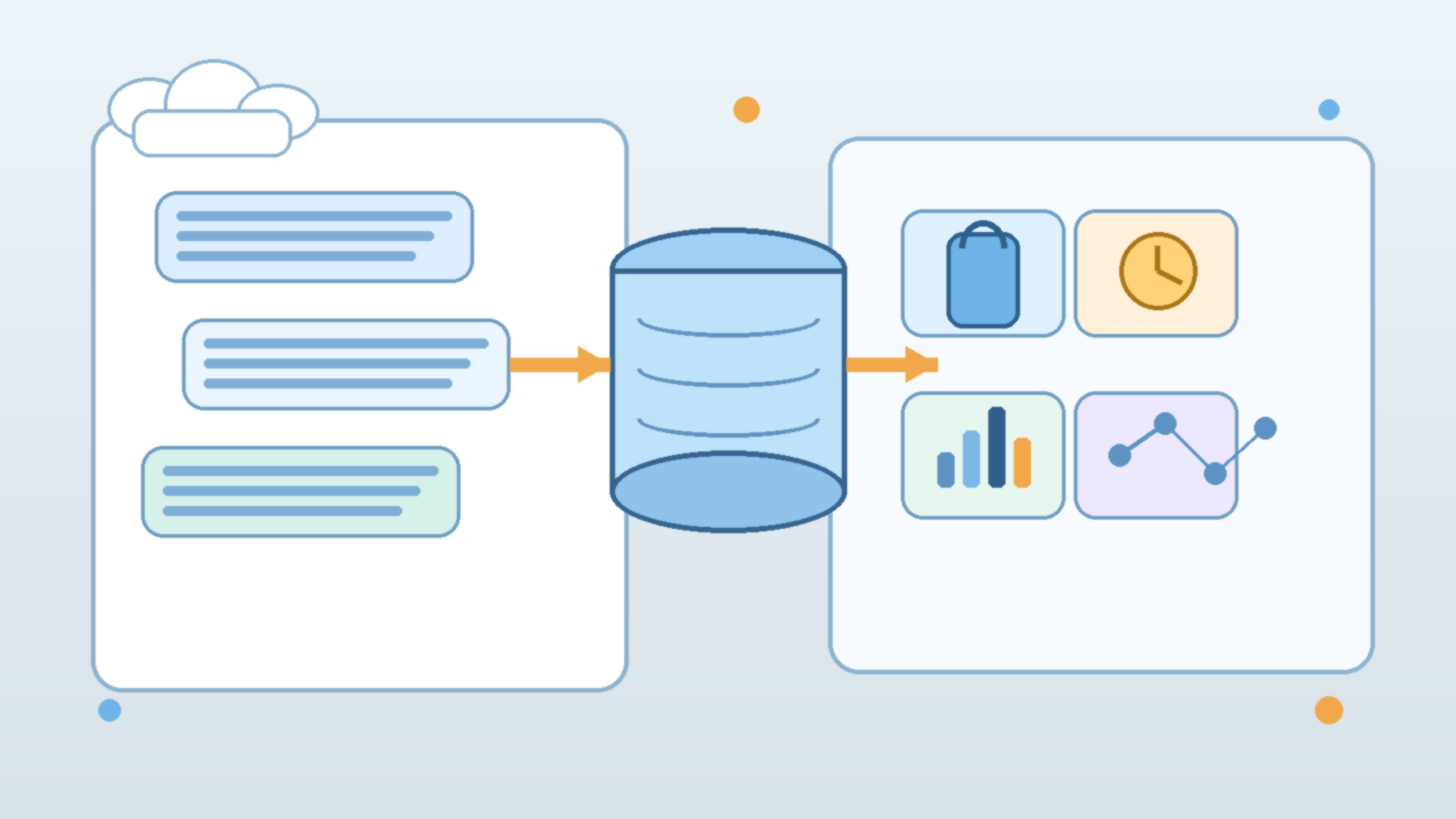
    Teams often discover prompt caching during optimization work. A workflow repeats the same long system prompt, a retrieval layer sends similar scaffolding on every request, or a high-volume internal app keeps paying to rebuild the same context over and over. Caching can reduce that waste, which is useful. It can also make usage patterns harder to interpret if nobody tracks where the savings came from or which teams are effectively leaning on shared cached context.

    That matters because cost visibility drives better decisions. If one group invests in cleaner prompts and another group inherits the cache efficiency without understanding it, the platform can look healthier than it really is. The optimization is real, but the attribution gets fuzzy. Enterprise teams should decide up front whether cache gains are measured per application, per environment, or as a shared platform benefit.

    Cache Lifetimes Should Follow Risk, Not Just Performance Goals

    Not every prompt deserves the same retention window. A stable internal assistant with carefully managed instructions may tolerate longer cache lifetimes than a fast-moving application that changes policy rules, product details, or safety guidance every few hours. If the cache window is too long, teams can end up optimizing yesterday’s assumptions. If it is too short, the platform may keep most of the complexity without gaining much efficiency.

    The practical answer is to tie cache lifetime to the volatility and sensitivity of the workload. Prompts that contain policy logic, routing hints, role assumptions, or time-sensitive business rules should usually have tighter controls than generic formatting instructions. Performance is important, but stale behavior in an enterprise workflow can be more expensive than a slower request.

    Shared Platforms Need Clear Boundaries Around What Can Be Reused

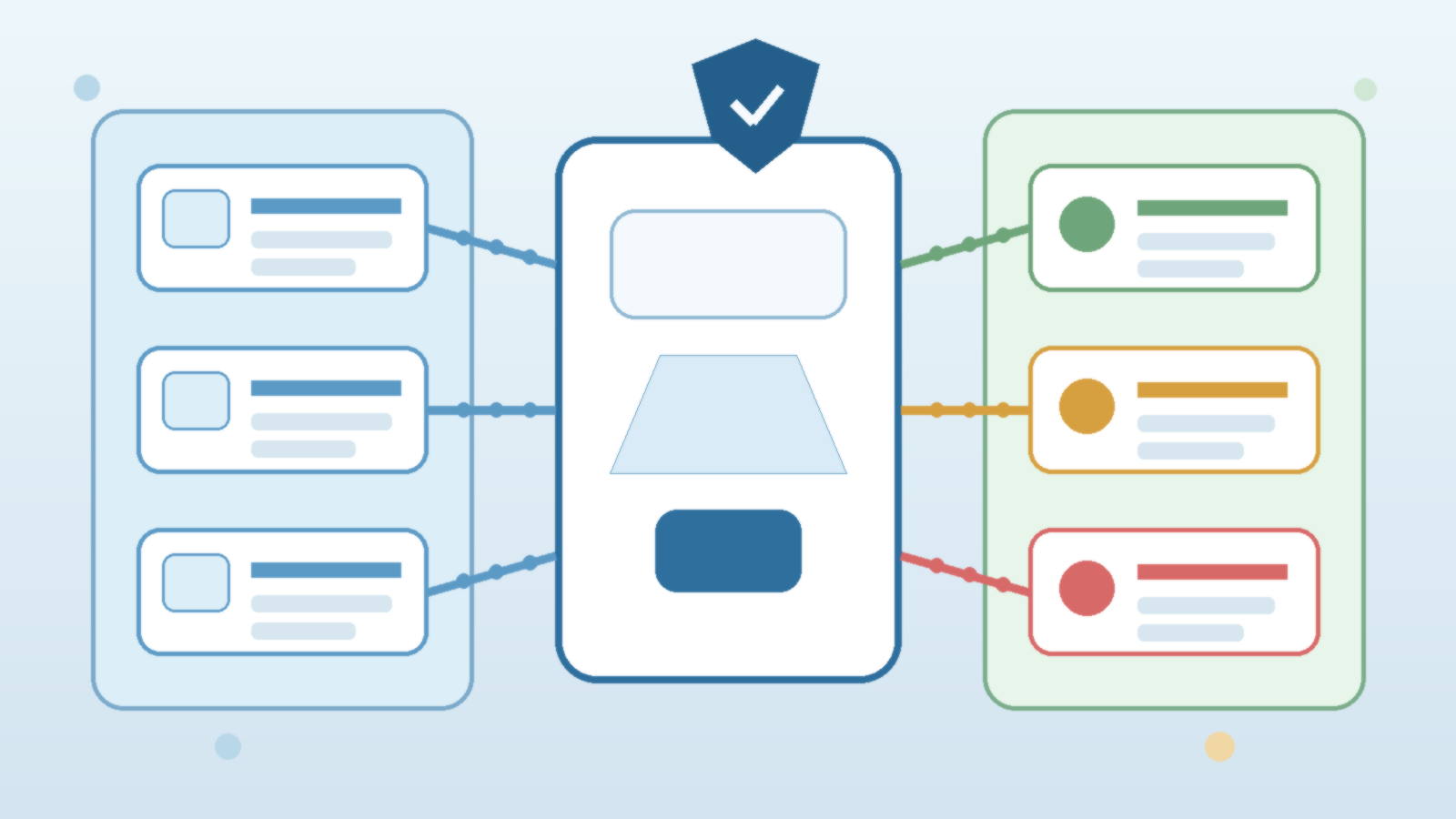
    Prompt caching gets trickier when several teams share the same model access layer. In that setup, the main question is not only whether the cache works. It is whether the reuse boundary is appropriate. Teams should be able to answer a few boring but important questions: is the cache scoped to one application, one tenant, one environment, or a broader platform pool; can prompts containing sensitive instructions or customer-specific context ever be reused; and what metadata is logged when a cache hit occurs?

    Those questions sound operational, but they are really governance questions. Reuse across the wrong boundary can create confusion about data handling, policy separation, and responsibility for downstream behavior. A cache hit should feel predictable, not mysterious.

    Do Not Let Caching Hide Bad Prompt Hygiene

    Caching can make a weak prompt strategy look temporarily acceptable. A long, bloated instruction set may become cheaper once repeated sections are reused, but that does not mean the prompt is well designed. Teams still need to review whether instructions are clear, whether duplicated context should be removed, and whether the application is sending information that does not belong in the request at all.

    That editorial discipline matters because a cache can lock in bad habits. When a poorly structured prompt becomes cheaper, organizations may stop questioning it. Over time, the platform inherits unnecessary complexity that becomes harder to unwind because nobody wants to disturb the optimization path that made the metrics look better.

    Logging and Invalidation Policies Matter More Than Teams Expect

    Enterprise AI teams rarely regret having an invalidation plan. They do regret realizing too late that a prompt change, compliance update, or incident response action does not reliably flush the old behavior path. If prompt caching is enabled, someone should own the conditions that force refresh. Policy revisions, critical prompt edits, environment promotions, and security events are common candidates.

    Logging should support that process without becoming a privacy problem of its own. Teams usually need enough telemetry to understand hit rates, cache scope, and operational impact. They do not necessarily need to spray full prompt contents into every downstream log sink. Good governance means retaining enough evidence to operate the system while still respecting data minimization.

    Show Application Owners the Tradeoff, Not Just the Feature

    Prompt caching decisions should not live only inside the platform team. Application owners need to understand what they are gaining and what they are accepting. Faster performance and lower repeated cost are attractive, but those gains come with rules about prompt stability, refresh timing, and scope. When teams understand that tradeoff, they make better design choices around release cadence, versioning, and prompt structure.

    This is especially important for internal AI products that evolve quickly. A team that changes core instructions every day may still use caching, but it should do so intentionally and with realistic expectations. The point is not to say yes or no to caching in the abstract. The point is to match the policy to the workload.

    Final Takeaway

    Prompt caching is one of those features that looks purely technical until an enterprise tries to operate it at scale. Then it becomes a question of scope, retention, invalidation, telemetry, and cost attribution. Teams that treat it as a governed platform capability usually get better performance without losing clarity.

    Teams that treat it like free magic often save money at first, then spend that savings back through stale behavior, murky ownership, and hard-to-explain platform side effects. The cache is useful. It just needs a grown-up policy around it.
  • How to Use Azure Policy Exemptions for AI Workloads Without Turning Guardrails Into Suggestions

    How to Use Azure Policy Exemptions for AI Workloads Without Turning Guardrails Into Suggestions

    Azure Policy is one of the cleanest ways to keep AI platform standards from drifting across subscriptions, resource groups, and experiments. The trouble starts when delivery pressure collides with those standards. A team needs to test a model deployment, wire up networking differently, or get around a policy conflict for one sprint, and suddenly the word exemption starts sounding like a productivity feature instead of a risk decision.

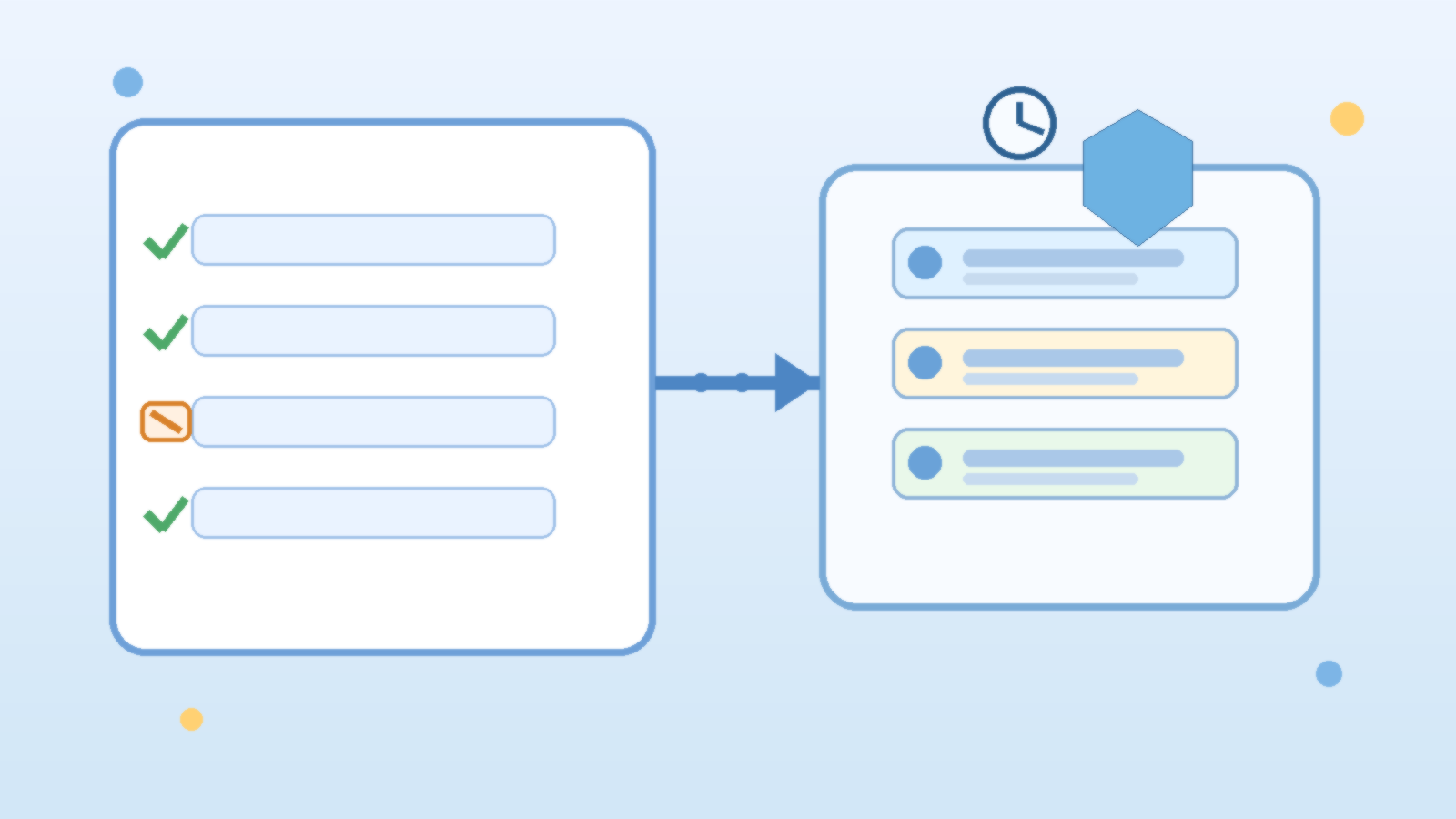
    That is where mature teams separate healthy flexibility from policy theater. Exemptions are not a failure of governance. They are a governance mechanism. The problem is not that exemptions exist. The problem is when they are created without scope, without evidence, and without a path back to compliance.

    Exemptions Should Explain Why the Policy Is Not Being Met Yet

    A useful exemption starts with a precise reason. Maybe a vendor dependency has not caught up with private networking requirements. Maybe an internal AI sandbox needs a temporary resource shape that conflicts with the normal landing zone baseline. Maybe an engineering team is migrating from one pattern to another and needs a narrow bridge period. Those are all understandable situations.

    What does not age well is a vague exemption that effectively says, “we needed this to work.” If the request cannot clearly explain the delivery blocker, the affected control, and the expected end state, it is not ready. Teams should have to articulate why the policy is temporarily impractical, not merely inconvenient.

    Scope the Exception Smaller Than the Team First Wants

    The easiest way to make exemptions dangerous is to grant them at a broad scope. A subscription-wide exemption for one AI prototype often becomes a quiet permission slip for unrelated workloads later. Strong governance teams default to the smallest scope that solves the real problem, whether that is one resource group, one policy assignment, or one short-lived deployment path.

    This matters even more for AI environments because platform patterns spread quickly. If one permissive exemption sits in the wrong place, future projects may inherit it by accident and call that reuse. Tight scoping keeps an unusual decision from becoming a silent architecture standard.

    Every Exemption Needs an Owner and an Expiration Date

    An exemption without an owner is just deferred accountability. Someone specific should be responsible for the risk, the follow-up work, and the retirement plan. That owner does not have to be the person clicking approve in Azure, but it should be the person who can drive remediation when the temporary state needs to end.

    Expiration matters for the same reason. A surprising number of “temporary” governance decisions stay alive because nobody created the forcing function to revisit them. If the exemption is still needed later, it can be renewed with updated evidence. What should not happen is an open-ended exception drifting into permanent policy decay.

    Document the Compensating Controls, Not Just the Deviation

    A good exemption request does more than identify the broken rule. It explains what will reduce risk while the rule is not being met. If an AI workload cannot use the preferred network control yet, perhaps access is restricted through another boundary. If a logging standard cannot be implemented immediately, perhaps the team adds manual review, temporary alerting, or narrower exposure until the full control lands.

    This is where governance becomes practical instead of theatrical. Leaders do not need a perfect environment on day one. They need evidence that the team understands the tradeoff and has chosen deliberate safeguards while the gap exists.

    Review Exemptions as a Portfolio, Not One Ticket at a Time

    Individual exemptions can look reasonable in isolation while creating a weak platform in aggregate. One allows broad outbound access, another delays tagging, another bypasses a deployment rule, and another weakens log retention. Each request sounds manageable. Together they can tell you that a supposedly governed AI platform is running mostly on exceptions.

    That is why a periodic exemption review matters. Security, platform, and cloud governance leads should look for clusters, aging exceptions, repeat patterns, and teams that keep hitting the same friction point. Sometimes the answer is to retire the exemption. Sometimes the answer is to improve the policy design because the platform standard is clearly out of sync with real work.

    Final Takeaway

    Azure Policy exemptions are not the enemy of governance. Unbounded exemptions are. When an exception is narrow, time-limited, owned, and backed by compensating controls, it helps serious teams ship without pretending standards are frictionless. When it is broad, vague, and forgotten, it turns guardrails into suggestions.

    The right goal is not “no exemptions ever.” The goal is making every exemption look temporary on purpose and defensible under review.

  • Why AI Agents Need Approval Boundaries Before They Need More Tools

    Why AI Agents Need Approval Boundaries Before They Need More Tools

    It is tempting to judge an AI agent by how many systems it can reach. The demo looks stronger when the agent can search knowledge bases, open tickets, message teams, trigger workflows, and touch cloud resources from one conversational loop. That kind of reach feels like progress because it makes the assistant look capable.

    In practice, enterprise teams usually hit a different limit first. The problem is not a lack of tools. The problem is a lack of approval boundaries. Once an agent can act across real systems, the important question stops being “what else can it connect to?” and becomes “what exactly is it allowed to do without another human step in the middle?”

    Tool access creates leverage, but approvals define trust

    An agent with broad tool access can move faster than a human operator in narrow workflows. It can summarize incidents, prepare draft changes, gather evidence, or line up the next recommended action. That leverage is real, and it is why teams keep experimenting with agentic systems.

    But trust does not come from raw capability. Trust comes from knowing where the agent stops. If a system can open a pull request but not merge one, suggest a customer response but not send it, or prepare an infrastructure change but not apply it without confirmation, operators understand the blast radius. Without those lines, every new integration increases uncertainty faster than it increases value.

    The first design question should be which actions are advisory, gated, or forbidden

    Teams often wire tools into an agent before they classify the actions those tools expose. That is backwards. Before adding another connector, decide which tasks fall into three simple buckets: advisory actions the agent may do freely, gated actions that need explicit human approval, and forbidden actions that should never be reachable from a conversational workflow.

    This classification immediately improves architecture decisions. Read-only research and summarization are usually much safer than account changes, customer-facing sends, or production mutations. Once that difference is explicit, it becomes easier to shape prompts, permission scopes, and user expectations around real operational risk instead of wishful thinking.

    Approval boundaries are more useful than vague instructions to “be careful”

    Some teams try to manage risk with generic policy language inside the prompt, such as telling the agent to avoid risky actions or ask before making changes. That helps at the margin, but it is not a strong control model. Instructions alone are soft boundaries. Real approval gates should exist in the tool path, the workflow engine, or the surrounding platform.

    That matters because a well-behaved model can still misread context, overgeneralize a rule, or act on incomplete information. A hard checkpoint is much more reliable than hoping the model always interprets caution exactly the way a human operator intended.

    Scoped permissions keep approval prompts honest

    Approval flows only work when the underlying permissions are scoped correctly. If an agent runs behind one oversized service account, then a friendly approval prompt can hide an ugly reality. The system may appear selective while still holding authority far beyond what any single task needs.

    A better pattern is to pair approval boundaries with narrow execution scopes. Read-only tools should be read-only in fact, not just by convention. Drafting tools should create drafts rather than live changes. Administrative actions should run through separate paths with stronger review requirements and clearer audit trails. This keeps the operational story aligned with the security story.

    Operators need reviewable checkpoints, not hidden autonomy

    The point of an approval boundary is not to slow everything down forever. It is to place human judgment at the moments where context, accountability, or consequences matter most. If an agent proposes a cloud policy change, queues a mass notification, or prepares a sensitive data export, the operator should see the intended action in a clear, reviewable form before it happens.

    Those checkpoints also improve debugging. When a workflow fails, teams can inspect where the proposal was generated, where it was reviewed, and where it was executed. That is much easier than reconstructing what happened after a fully autonomous chain quietly crossed three systems and made an irreversible mistake.

    More tools are useful only after the control model is boring and clear

    There is nothing wrong with giving agents more integrations once the basics are in place. Richer tool access can unlock better support workflows, faster internal operations, and stronger user experiences. The mistake is expanding the tool catalog before the control model is settled.

    Teams should want their approval model to feel almost boring. Everyone should know which actions are automatic, which actions pause for review, who can approve them, and how the decision is logged. When that foundation exists, new tools become additive. Without it, each new tool is another argument waiting to happen during an incident review.

    Final takeaway

    AI agents do not become enterprise-ready just because they can reach more systems. They become trustworthy when their actions are framed by clear approval boundaries, narrow permissions, and visible operator checkpoints. That is the discipline that turns capability into something a real team can live with.

    Before you add another tool to the agent, decide where the agent must stop and ask. In most environments, that answer matters more than the next connector on the roadmap.

  • Why AI Gateway Policy Matters More Than Model Choice Once Multiple Teams Share the Same Platform

    Why AI Gateway Policy Matters More Than Model Choice Once Multiple Teams Share the Same Platform

    Enterprise AI teams love to debate model quality, benchmark scores, and which vendor roadmap looks strongest this quarter. Those conversations matter, but they are rarely the first thing that causes trouble once several internal teams begin sharing the same AI platform. In practice, the cracks usually appear at the policy layer. A team gets access to an endpoint it should not have, another team sends more data than expected, a prototype starts calling an expensive model without guardrails, and nobody can explain who approved the path in the first place.

    That is why AI gateways deserve more attention than they usually get. The gateway is not just a routing convenience between applications and models. It is the enforcement point where an organization decides what is allowed, what is logged, what is blocked, and what gets treated differently depending on risk. When multiple teams share models, tools, and data paths, strong gateway policy often matters more than shaving a few points off a benchmark comparison.

    Model Choice Is Visible, Policy Failure Is Expensive

    Model decisions are easy to discuss because they are visible. People can compare price, latency, context windows, and output quality. Gateway policy is less glamorous. It lives in rules, headers, route definitions, authentication settings, rate limits, and approval logic. Yet that is where production risk actually gets shaped. A mediocre policy design can turn an otherwise solid model rollout into a governance mess.

    For example, one internal team may need access to a premium reasoning model for a narrow workflow, while another should only use a cheaper general-purpose model for low-risk tasks. If both can hit the same backend without strong gateway control, the platform loses cost discipline and technical separation immediately. The model may be excellent, but the operating model is already weak.

    A Gateway Creates a Real Control Plane for Shared AI

    Organizations usually mature once they realize they are not managing one chatbot. They are managing a growing set of internal applications, agents, copilots, evaluation jobs, and automation flows that all want model access. At that point, direct point-to-point access becomes difficult to defend. An AI gateway creates a proper control plane where policies can be applied consistently across workloads instead of being reimplemented poorly inside each app.

    This is where platform teams gain leverage. They can define which models are approved for which environments, which identities can reach which routes, which prompts or payload patterns should trigger inspection, and how quotas are carved up. That is far more valuable than simply exposing a common endpoint. A shared endpoint without differentiated policy is only centralized chaos.

    Route by Risk, Not Just by Vendor

    Many gateway implementations start with vendor routing. Requests for one model family go here, requests for another family go there. That is a reasonable start, but it is not enough. Mature gateways route by risk profile as well. A low-risk internal knowledge assistant should not be handled the same way as a workflow that can trigger downstream actions, access sensitive enterprise data, or generate content that enters customer-facing channels.

    Risk-based routing makes policy practical. It allows the platform to require stronger controls for higher-impact workloads: stricter authentication, tighter rate limits, additional inspection, approval gates for tool invocation, or more detailed audit logging. It also keeps lower-risk workloads from being slowed down by controls they do not need. One-size-fits-all policy usually ends in two bad outcomes at once: weak protection where it matters and frustrating friction where it does not.

    Separate Identity, Cost, and Content Controls

    A useful mental model is to treat AI gateway policy as three related layers. The first layer is identity and entitlement: who or what is allowed to call a route. The second is cost and performance governance: how often it can call, which models it can use, and what budget or quota applies. The third is content and behavior governance: what kind of input or output requires blocking, filtering, review, or extra monitoring.

    These layers should be designed separately even if they are enforced together. Teams get into trouble when they solve one layer and assume the rest is handled. Strong authentication without cost policy can still produce runaway spend. Tight quotas without content controls can still create data handling problems. Output filtering without identity separation can still let the wrong application reach the wrong backend. The point of the gateway is not to host one magic control. It is to become the place where multiple controls meet in a coherent way.

    Logging Needs to Explain Decisions, Not Just Traffic

    One underappreciated benefit of good gateway policy is auditability. It is not enough to know that a request happened. In shared AI environments, operators also need to understand why a request was allowed, denied, throttled, or routed differently. If an executive asks why a business unit hit a slower model during a launch week, the answer should be visible in policy and logs, not reconstructed from guesses and private chat threads.

    That means logs should capture policy decisions in human-usable terms. Which route matched? Which identity or application policy applied? Was a safety filter engaged? Was the request downgraded, retried, or blocked? Decision-aware logging is what turns an AI gateway from plumbing into operational governance.

    Do Not Let Every Application Bring Its Own Gateway Logic

    Without a strong shared gateway, development teams naturally recreate policy in application code. That feels fast at first. It is also how organizations end up with five different throttling strategies, three prompt filtering implementations, inconsistent authentication, and no clean way to update policy when the risk picture changes. App-level logic still has a place, but it should sit behind platform-level rules, not replace them.

    The practical standard is simple: application teams should own business behavior, while the platform owns cross-cutting enforcement. If every team can bypass that pattern, the platform has no real policy surface. It only has suggestions.

    Gateway Policy Should Change Faster Than Infrastructure

    Another reason the policy layer matters so much is operational speed. Model options, regulatory expectations, and internal risk appetite all change faster than core infrastructure. A gateway gives teams a place to adapt controls without redesigning every application. New model restrictions, revised egress rules, stricter prompt handling, or tighter quotas can be rolled out at the gateway far faster than waiting for every product team to refactor.

    That flexibility becomes critical during incidents and during growth. When a model starts behaving unpredictably, when a connector raises data exposure concerns, or when costs spike, the fastest safe response usually happens at the gateway. A platform without that layer is forced into slower, messier mitigation.

    Final Takeaway

    Once multiple teams share an AI platform, model choice is only part of the story. The gateway policy layer determines who can access models, which routes are appropriate for which workloads, how costs are constrained, how risk is separated, and whether operators can explain what happened afterward. That makes gateway policy more than an implementation detail. It becomes the operating discipline that keeps shared AI from turning into shared confusion.

    If an organization wants enterprise AI to scale cleanly, it should stop treating the gateway as a simple pass-through and start treating it as a real policy control plane. The model still matters. The policy layer is what makes the model usable at scale.

  • How to Set Azure OpenAI Quotas for Internal Teams Without Turning Every Launch Into a Budget Fight

    How to Set Azure OpenAI Quotas for Internal Teams Without Turning Every Launch Into a Budget Fight

    Illustration of Azure AI quota planning with dashboards, shared capacity, and team workload tiles

    Azure OpenAI projects usually do not fail because the model is unavailable. They fail because the organization never decided how shared capacity should be allocated once multiple teams want the same thing at the same time. One pilot gets plenty of headroom, a second team arrives with a deadline, a third team suddenly wants higher throughput for a demo, and finance starts asking why the new AI platform already feels unpredictable.

    The technical conversation often gets reduced to tokens per minute, requests per minute, or whether provisioned capacity is justified yet. Those details matter, but they are not the whole problem. The real issue is operational ownership. If nobody defines who gets quota, how it is reviewed, and what happens when demand spikes, every model launch turns into a rushed negotiation between engineering, platform, and budget owners.

    Quota Problems Usually Start as Ownership Problems

    Many internal teams begin with one shared Azure OpenAI resource and one optimistic assumption: there will be time to organize quotas later. That works while usage is light. Once multiple workloads compete for throughput, the shared pool becomes political. The loudest team asks for more. The most visible launch gets protected first. Smaller internal apps absorb throttling even if they serve important employees.

    That is why quota planning should be treated like service design instead of a one-time technical setting. Someone needs to own the allocation model, the exceptions process, and the review cadence. Without that, quota decisions drift into ad hoc favors, and every surprise 429 becomes an argument about whose workload matters more.

    Separate Baseline Capacity From Burst Requests

    A practical pattern is to define a baseline allocation for each internal team or application, then handle temporary spikes as explicit burst requests instead of pretending every workload deserves permanent peak capacity. Baseline quota should reflect normal operating demand, not launch-day nerves. Burst handling should cover events like executive demos, migration waves, training sessions, or a newly onboarded business unit.

    This matters because permanent over-allocation hides waste. Teams rarely give capacity back voluntarily once they have it. If the platform group allocates quota based on hypothetical worst-case usage for everyone, the result is a bloated plan that still does not feel fair. A baseline-plus-burst model is more honest. It admits that some demand is real and recurring, while some demand is temporary and should be treated that way.

    Tie Quota to a Named Service Owner and a Business Use Case

    Do not assign significant Azure OpenAI quota to anonymous experimentation. If a workload needs meaningful capacity, it should have a named owner, a clear user population, and a documented business purpose. That does not need to become a heavy governance board, but it should be enough to answer a few basic questions: who runs this service, who uses it, what happens if it is throttled, and what metric proves the allocation is still justified.

    This simple discipline improves both cost control and incident response. When quotas are tied to identifiable services, platform teams can see which internal products deserve priority, which are dormant, and which are still living on last quarter’s assumptions.

    Use Showback Before You Need Full Chargeback

    Organizations often avoid quota governance because they think the only serious option is full financial chargeback. That is overkill for many internal AI programs, especially early on. Showback is usually enough to improve behavior. If each team can see its approximate usage, reserved capacity, and the cost consequence of keeping extra headroom, conversations get much more grounded.

    Showback changes the tone from “the platform is blocking us” to “we are asking the platform to reserve capacity for this workload, and here is why.” That is a healthier discussion. It also gives finance and engineering a shared language without forcing every prototype into a billing maze too early.

    Design for Throttling Instead of Acting Shocked by It

    Even with good allocation, some workloads will still hit limits. That should not be treated as a scandal. It should be expected behavior that applications are designed to handle gracefully. Queueing, retries with backoff, workload prioritization, caching, and fallback models all belong in the engineering plan long before production traffic arrives.

    The important governance point is that application teams should not assume the platform will always solve a usage spike by handing out more quota. Sometimes the right answer is better request shaping, tighter prompt design, or a service-level decision about which users and actions deserve priority when demand exceeds the happy path.

    Review Quotas on a Calendar, Not Only During Complaints

    If quota reviews only happen during incidents, the review process will always feel punitive. A better pattern is a simple recurring check, often monthly or quarterly depending on scale, where platform and service owners look at utilization, recent throttling, upcoming launches, and idle allocations. That makes redistribution normal instead of dramatic.

    These reviews should be short and practical. The goal is not to produce another governance document nobody reads. The goal is to keep the capacity model aligned with reality before the next internal launch or leadership demo creates avoidable pressure.

    Provisioned Capacity Should Follow Predictability, Not Prestige

    Some teams push for provisioned capacity because it sounds more mature or more strategic. That is not a good reason. Provisioned throughput makes the most sense when a workload is steady enough, important enough, and predictable enough to justify that commitment. It is a capacity planning tool, not a trophy for the most influential internal sponsor.

    If your traffic pattern is still exploratory, standard shared capacity with stronger governance may be the better fit. If a workload has a stable usage floor and meaningful business dependency, moving part of its demand to provisioned capacity can reduce drama for everyone else. The point is to decide based on workload shape and operational confidence, not on who escalates hardest.

    Final Takeaway

    Azure OpenAI quota governance works best when it is boring. Define baseline allocations, make burst requests explicit, tie capacity to named owners, show teams what their reservations cost, and review the model before contention becomes a firefight. That turns quota from a budget argument into a service management practice.

    When internal AI platforms skip that discipline, every new launch feels urgent and every limit feels unfair. When they adopt it, teams still have hard conversations, but at least those conversations happen inside a system that makes sense.

  • What Model Context Protocol Changes for Enterprise AI Teams and What It Does Not

    What Model Context Protocol Changes for Enterprise AI Teams and What It Does Not

    Model Context Protocol, usually shortened to MCP, is getting a lot of attention because it promises a cleaner way for AI systems to connect to tools, data sources, and services. The excitement is understandable. Teams are tired of building one-off integrations for every assistant, agent, and model wrapper they experiment with. A shared protocol sounds like a shortcut to interoperability.

    That promise is real, but many teams are starting to talk about MCP as if standardizing the connection layer automatically solves trust, governance, and operational risk. It does not. MCP can make enterprise AI systems easier to compose and easier to extend. It does not remove the need to decide which tools should exist, who may use them, what data they can expose, how actions are approved, or how the whole setup is monitored.

    MCP helps with integration consistency, which is a real problem

    One reason enterprise AI projects stall is that every new assistant ends up with its own fragile tool wiring. A retrieval bot talks to one search system through custom code, a workflow assistant reaches a ticketing platform through a different adapter, and a third project invents its own approach for calling internal APIs. The result is repetitive platform work, uneven reliability, and a stack that becomes harder to audit every time another prototype shows up.

    MCP is useful because it creates a more standard way to describe and invoke tools. That can lower the cost of experimentation and reduce duplicated glue code. Platform teams can build reusable patterns instead of constantly redoing the same plumbing for each project. From a software architecture perspective, that is a meaningful improvement.

    A standard tool interface is not the same thing as a safe tool boundary

    This is where some of the current enthusiasm gets sloppy. A tool being available through MCP does not make it safe to expose broadly. If an assistant can query internal files, trigger cloud automation, read a ticket system, or write to a messaging platform, the core risk is still about permissions, approval paths, and data exposure. The protocol does not make those questions disappear. It just gives the model a more standardized way to ask for access.

    Enterprise teams should treat MCP servers the same way they treat any other privileged integration surface. Each server needs a defined trust level, an owner, a narrow scope, and a clear answer to the question of what damage it could do if misused. If that analysis has not happened, the existence of a neat protocol only makes it easier to scale bad assumptions.

    The real design work is in authorization, not just connectivity

    Many early AI integrations collapse all access into a single service account because it is quick. That is manageable for a toy demo and messy for almost anything else. Once assistants start operating across real systems, the important question is not whether the model can call a tool. It is whether the right identity is being enforced when that tool is called, with the right scope and the right audit trail.

    If your organization adopts MCP, spend more time on authorization models than on protocol enthusiasm. Decide whether tools run with user-scoped permissions, service-scoped permissions, delegated approvals, or staged execution patterns. Decide which actions should be read-only, which require confirmation, and which should never be reachable from a conversational flow at all. That is the difference between a useful integration layer and an avoidable incident.

    MCP can improve portability, but operations still need discipline

    Another reason teams like MCP is the hope that tools become more portable across model vendors and agent frameworks. In practice, that can help. A standardized description of tools reduces vendor lock-in pressure and makes platform choices less painful over time. That is good for enterprise teams that do not want their entire integration strategy tied to one rapidly changing stack.

    But portability on paper does not guarantee clean operations. Teams still need versioning, rollout control, usage telemetry, error handling, and ownership boundaries. If a tool definition changes, downstream assistants can break. If a server becomes slow or unreliable, user trust drops immediately. If a tool exposes too much data, the protocol will not save you. Standardization helps, but it does not replace platform discipline.

    Observability matters more once tools become easier to attach

    One subtle effect of MCP is that it can make tool expansion feel cheap. That is useful for innovation, but it also means the number of reachable capabilities may grow faster than the team’s visibility into what the assistant is actually doing. A model that can browse five internal systems through a tidy protocol is still a model making decisions about when and how to invoke those systems.

    That means logging needs to capture more than basic API failures. Teams need to know which tool was offered, which tool was selected, what identity it ran under, what high-level action occurred, how often it failed, and whether sensitive paths were touched. The easier it becomes to connect tools, the more important it is to make tool use legible to operators and reviewers.

    The practical enterprise question is where MCP fits in your control model

    The best way to evaluate MCP is not to ask whether it is good or bad. Ask where it belongs in your architecture. For many teams, it makes sense as a standard integration layer inside a broader control model that already includes identity, policy, network boundaries, audit logging, and approval rules for risky actions. In that role, MCP can be genuinely helpful.

    What it should not become is an excuse to skip those controls because the protocol feels modern and clean. Enterprises do not get safer because tools are easier for models to discover. They get safer because the surrounding system makes the easy path a well-governed path.

    Final takeaway

    Model Context Protocol changes the integration conversation in a useful way. It can reduce custom connector work, improve reuse, and make AI tooling less fragmented across teams. That is worth paying attention to.

    What it does not change is the hard part of enterprise AI: deciding what an assistant should be allowed to touch, how those actions are governed, and how risk is contained when something behaves unexpectedly. If your team treats MCP as a clean integration standard inside a larger control framework, it can be valuable. If you treat it as a substitute for that framework, you are just standardizing your way into the same old problems.

  • How to Build an Azure Landing Zone for Internal AI Prototypes Without Slowing Down Every Team

    How to Build an Azure Landing Zone for Internal AI Prototypes Without Slowing Down Every Team

    Internal AI projects usually start with good intentions and almost no guardrails. A team wants to test a retrieval workflow, wire up a model endpoint, connect a few internal systems, and prove business value quickly. The problem is that speed often turns into sprawl. A handful of prototypes becomes a pile of unmanaged resources, unclear data paths, shared secrets, and costs that nobody remembers approving. The fix is not a giant enterprise architecture review. It is a practical Azure landing zone built specifically for internal AI experimentation.

    A good landing zone for AI prototypes gives teams enough freedom to move fast while making sure identity, networking, logging, budget controls, and data boundaries are already in place. If you get that foundation right, teams can experiment without creating cleanup work that security, platform engineering, and finance will be untangling six months later.

    Start with a separate prototype boundary, not a shared innovation playground

    One of the most common mistakes is putting every early AI effort into one broad subscription or one resource group called something like innovation. It feels efficient at first, but it creates messy ownership and weak accountability. Teams share permissions, naming drifts immediately, and no one is sure which storage account, model deployment, or search service belongs to which prototype.

    A better approach is to define a dedicated prototype boundary from the start. In Azure, that usually means a subscription or a tightly governed management group path for internal AI experiments, with separate resource groups for each project or team. This structure makes policy assignment, cost tracking, role scoping, and eventual promotion much easier. It also gives you a clean way to shut down work that never moves beyond the pilot stage.

    Use identity guardrails before teams ask for broad access

    AI projects tend to pull in developers, data engineers, security reviewers, product owners, and business testers. If you wait until people complain about access, the default answer often becomes overly broad Contributor rights and a shared secret in a wiki. That is the exact moment the landing zone starts to fail.

    Use Microsoft Entra groups and Azure role-based access control from day one. Give each prototype its own admin group, developer group, and reader group. Scope access at the smallest level that still lets the team work. If a prototype uses Azure OpenAI, Azure AI Search, Key Vault, storage, and App Service, do not assume every contributor needs full rights to every resource. Split operational roles from application roles wherever you can. That keeps experimentation fast without teaching the organization bad permission habits.

    For sensitive environments, add just-in-time or approval-based elevation for the few tasks that genuinely require broader control. Most prototype work does not need standing administrative access. It needs a predictable path for the rare moments when elevated actions are necessary.

    Define data rules early, especially for internal documents and prompts

    Many internal AI prototypes are not risky because of the model itself. They are risky because teams quickly connect the model to internal documents, tickets, chat exports, customer notes, or knowledge bases without clearly classifying what should and should not enter the workflow. Once that happens, the prototype becomes a silent data integration program.

    Your landing zone should include clear data handling defaults. Decide which data classifications are allowed in prototype environments, what needs masking or redaction, where temporary files can live, and how prompt logs or conversation history are stored. If a team wants to work with confidential content, require a stronger pattern instead of letting them inherit the same defaults as a low-risk proof of concept.

    In practice, that means standardizing on approved storage locations, enforcing private endpoints or network restrictions where appropriate, and making Key Vault the normal path for secrets. Teams move faster when the secure path is already built into the environment rather than presented as a future hardening exercise.

    Bake observability into the landing zone instead of retrofitting it after launch

    Prototype teams almost always focus on model quality first. Logging, traceability, and cost visibility get treated as later concerns. That is understandable, but it becomes expensive fast. When a prototype suddenly gains executive attention, the team is asked basic questions about usage, latency, failure rates, and spending. If the landing zone did not provide a baseline observability pattern, people start scrambling.

    Set expectations that every prototype inherits monitoring from the platform layer. Azure Monitor, Log Analytics, Application Insights, and cost management alerts should not be optional add-ons. At minimum, teams should be able to see request volume, error rates, dependency failures, basic prompt or workflow diagnostics, and spend trends. You do not need a giant enterprise dashboard on day one. You do need enough telemetry to tell whether a prototype is healthy, risky, or quietly becoming a production workload without the controls to match.

    Put budget controls around enthusiasm

    AI experimentation creates a strange budgeting problem. Individual tests feel cheap, but usage grows in bursts. A few enthusiastic teams can create real monthly cost without ever crossing a formal procurement checkpoint. The landing zone should make spending visible and slightly inconvenient to ignore.

    Use budgets, alerts, naming standards, and tagging policies so every prototype can be traced to an owner, a department, and a business purpose. Require tags such as environment, owner, cost center, and review date. Set budget alerts low enough that teams see them before finance does. This is not about slowing down innovation. It is about making sure innovation still has an owner when the invoice arrives.

    Make the path from prototype to production explicit

    A landing zone for internal AI prototypes should never pretend that a prototype environment is production-ready. It should do the opposite. It should make the differences obvious and measurable. If a prototype succeeds, there needs to be a defined promotion path with stronger controls around availability, testing, data handling, support ownership, and change management.

    That promotion path can be simple. For example, you might require an architecture review, a security review, production support ownership, and documented recovery expectations before a workload can move out of the prototype boundary. The important part is that teams know the graduation criteria in advance. Otherwise, temporary environments become permanent because nobody wants to rebuild the solution later.

    Standardize a lightweight deployment pattern

    Landing zones work best when they are more than a policy deck. Teams need a practical starting point. That usually means infrastructure as code templates, approved service combinations, example pipelines, and documented patterns for common internal AI scenarios such as chat over documents, summarization workflows, or internal copilots with restricted connectors.

    If every team assembles its environment by hand, you will get configuration drift immediately. A lightweight template with opinionated defaults is far better. It can include pre-wired diagnostics, standard tags, role assignments, key management, and network expectations. Teams still get room to experiment inside the boundary, but they are not rebuilding the platform layer every time.

    What a practical minimum standard looks like

    If you want a simple starting checklist for an internal AI prototype landing zone in Azure, the minimum standard should include the following elements:

    • Dedicated ownership and clear resource boundaries for each prototype.
    • Microsoft Entra groups and scoped Azure RBAC instead of shared broad access.
    • Approved secret storage through Key Vault rather than embedded credentials.
    • Basic logging, telemetry, and cost visibility enabled by default.
    • Required tags for owner, environment, cost center, and review date.
    • Defined data handling rules for prompts, documents, outputs, and temporary storage.
    • A documented promotion process for anything that starts looking like production.

    That is not overengineering. It is the minimum needed to keep experimentation healthy once more than one team is involved.

    The goal is speed with structure

    The best landing zone for internal AI prototypes is not the one with the most policy objects or the biggest architecture diagram. It is the one that quietly removes avoidable mistakes. Teams should be able to start quickly, connect approved services, observe usage, control access, and understand the difference between a safe experiment and an accidental production system.

    Azure gives organizations enough building blocks to create that balance, but the discipline has to come from the landing zone design. If you want better AI experimentation outcomes, do not wait for the third or fourth prototype to expose the same governance issues. Give teams a cleaner starting point now, while the environment is still small enough to shape on purpose.

  • How to Use Azure Monitor and Application Insights for AI Agents Without Drowning in Trace Noise

    How to Use Azure Monitor and Application Insights for AI Agents Without Drowning in Trace Noise

    AI agents look impressive in demos because the path seems simple. A user asks for something, the agent plans a few steps, calls tools, and produces a result that feels smarter than a normal workflow. In production, though, the hardest part is often not the model itself. It is understanding what actually happened when an agent took too long, called the wrong dependency, ran up token costs, or quietly produced a bad answer that still looked confident.

    This is where Azure Monitor and Application Insights become useful, but only if teams treat observability as an agent design requirement instead of a cleanup task for later. The goal is not to collect every possible event. The goal is to make agent behavior legible enough that operators can answer a few critical questions quickly: what the agent was trying to do, which step failed, whether the issue came from the model or the surrounding system, and what changed before the problem appeared.

    Why AI Agents Create a Different Kind of Observability Problem

    Traditional applications usually follow clearer execution paths. A request enters an API, the code runs a predictable sequence, and the service returns a response. AI agents are less tidy. They often combine prompt construction, model calls, tool execution, retrieval, retries, policy checks, and branching decisions that depend on intermediate outputs. Two requests that look similar from the outside may take completely different routes internally.

    That variability means basic uptime monitoring is not enough. An agent can be technically available while still behaving badly. It may answer slowly because one tool call is dragging. It may become expensive because the prompt context keeps growing. It may look accurate on easy tasks and fall apart on multi-step ones. If your telemetry only shows request counts and average latency, you will know something feels wrong without knowing where to fix it.

    Start With a Trace Model That Follows the Agent Run

    The cleanest pattern is to treat each agent run as a traceable unit of work with child spans for meaningful stages. The root span should represent the end-to-end request or conversation turn. Under that, create spans for prompt assembly, retrieval, model invocation, tool calls, post-processing, and policy enforcement. If the agent loops through several steps, record each step in a way that preserves order and duration.

    This matters because operations teams rarely need a giant pile of isolated logs. They need a connected story. When a user says the agent gave a weak answer after twenty seconds, the response should not be a manual hunt across five dashboards. A trace should show whether the time went into vector search, an overloaded downstream API, repeated model retries, or a planning pattern that kept calling tools longer than expected.

    Instrument the Decision Points, Not Just the Failures

    Many teams log only hard errors. That catches crashes, but it misses the choices that explain poor outcomes. For agents, you also want telemetry around decision points: which tool was selected, why a fallback path was used, whether retrieval returned weak context, whether a safety filter modified the result, and how many iterations the plan required before producing an answer.

    These events do not need to contain raw prompts or sensitive user content. In fact, they often should not. They should contain enough structured metadata to explain behavior safely. Examples include tool name, step number, token counts, selected policy profile, retrieval hit count, confidence markers, and whether the run exited normally, degraded gracefully, or was escalated. That level of structure makes Application Insights far more useful than a wall of unshaped debug text.

    Separate Model Problems From System Problems

    One of the biggest operational mistakes is treating every bad outcome as a model quality issue. Sometimes the model is the problem, but often the surrounding system deserves the blame. Retrieval may be returning stale documents. A tool endpoint may be timing out. An agent may be sending far too much context because nobody enforced prompt budgets. If all of that lands in one generic error bucket, teams will waste time tuning prompts when the real problem is architecture.

    Azure Monitor works best when the telemetry schema makes that separation obvious. Model call spans should capture deployment name, latency, token usage, finish reason, and retry behavior. Tool spans should record dependency target, duration, success state, and error type. Retrieval spans should capture index or source identifier, hit counts, and confidence or scoring information when available. Once those boundaries are visible, operators can quickly decide whether they are dealing with model drift, dependency instability, or plain old integration debt.

    Use Sampling Carefully So You Do Not Blind Yourself

    Telemetry volume can explode fast in agent systems, especially when one user request fans out into multiple model calls and multiple tool steps. That makes sampling tempting, and sometimes necessary. The danger is aggressive sampling that quietly removes the very traces you need to debug rare but expensive failures. A platform that keeps every healthy request but drops complex edge cases is collecting cost without preserving insight.

    A better approach is to combine baseline sampling with targeted retention rules. Keep a representative sample of normal traffic, but preserve complete traces for slow runs, failed runs, high-cost runs, and policy-triggered runs. If an agent exceeded a token budget, called a restricted tool, or breached a latency threshold, that trace is almost always worth keeping. Storage is cheaper than ignorance during an incident review.

    Build Dashboards Around Operator Questions

    Fancy dashboards are easy to build and surprisingly easy to ignore. The useful ones answer real questions that an engineer or service owner will ask under pressure. Which agent workflows got slower this week. Which tools cause the most degraded runs. Which model deployment produces the highest retry rate. Which tenant, feature, or prompt pattern drives the most cost. Which policy controls are firing often enough to suggest a design problem instead of random noise.

    That means your workbook design should reflect operational ownership. A platform team may care about cross-service latency and token economics. An application owner may care about completion quality and task success. A security or governance lead may care about tool usage, blocked actions, and escalation patterns. One giant dashboard for everyone usually satisfies no one. A few focused views with consistent trace identifiers are more practical.

    Protect Privacy While Preserving Useful Telemetry

    Observability for AI systems can become a privacy problem if teams capture raw prompts, user-submitted data, or full model outputs without discipline. The answer is not to stop instrumenting. The answer is to define what must be logged, what should be hashed or redacted, and what should never leave the application boundary in the first place. Agent platforms need a telemetry policy, not just a telemetry SDK.

    In practice, that often means storing structured metadata rather than full conversational content, masking identifiers where possible, and controlling access to detailed traces through the same governance processes used for other sensitive logs. If your observability design makes privacy review impossible, the platform will either get blocked or drift into risky exceptions. Neither outcome is a sign of maturity.

    What Good Looks Like in Production

    A strong implementation is not dramatic. Every agent run has a durable correlation ID. Spans show the major execution stages clearly. Slow, failed, high-cost, and policy-sensitive traces are preserved. Dashboards map to operator needs instead of vanity metrics. Privacy controls are built into the telemetry design from the start. When something goes wrong, the team can explain the run with evidence instead of guesswork.

    That standard is more important than chasing perfect visibility. You do not need to log everything to operate agents well. You need enough connected, structured, and trustworthy telemetry to decide what happened and what to change next. In most organizations, that is the difference between an AI platform that can scale responsibly and one that becomes a permanent argument between engineering, operations, and governance.

    Final Takeaway

    Azure Monitor and Application Insights can make AI agents observable, but only if teams instrument the run, the decisions, and the surrounding dependencies with intention. If your telemetry only proves that the service was up, it is not enough. The real win is being able to tell why an agent behaved the way it did, which part of the system needs attention, and whether the platform is getting healthier or harder to trust over time.

  • How to Use Azure Key Vault RBAC for AI Inference Pipelines Without Secret Access Turning Into Team-Wide Admin

    How to Use Azure Key Vault RBAC for AI Inference Pipelines Without Secret Access Turning Into Team-Wide Admin

    AI inference pipelines look simple on architecture slides. A request comes in, a service calls a model, maybe a retrieval layer joins the flow, and the response goes back out. In production, though, that pipeline usually depends on a stack of credentials: API keys for third-party tools, storage secrets, certificates, and connection details for downstream systems. If those secrets are handled loosely, the pipeline becomes a quiet privilege expansion project.

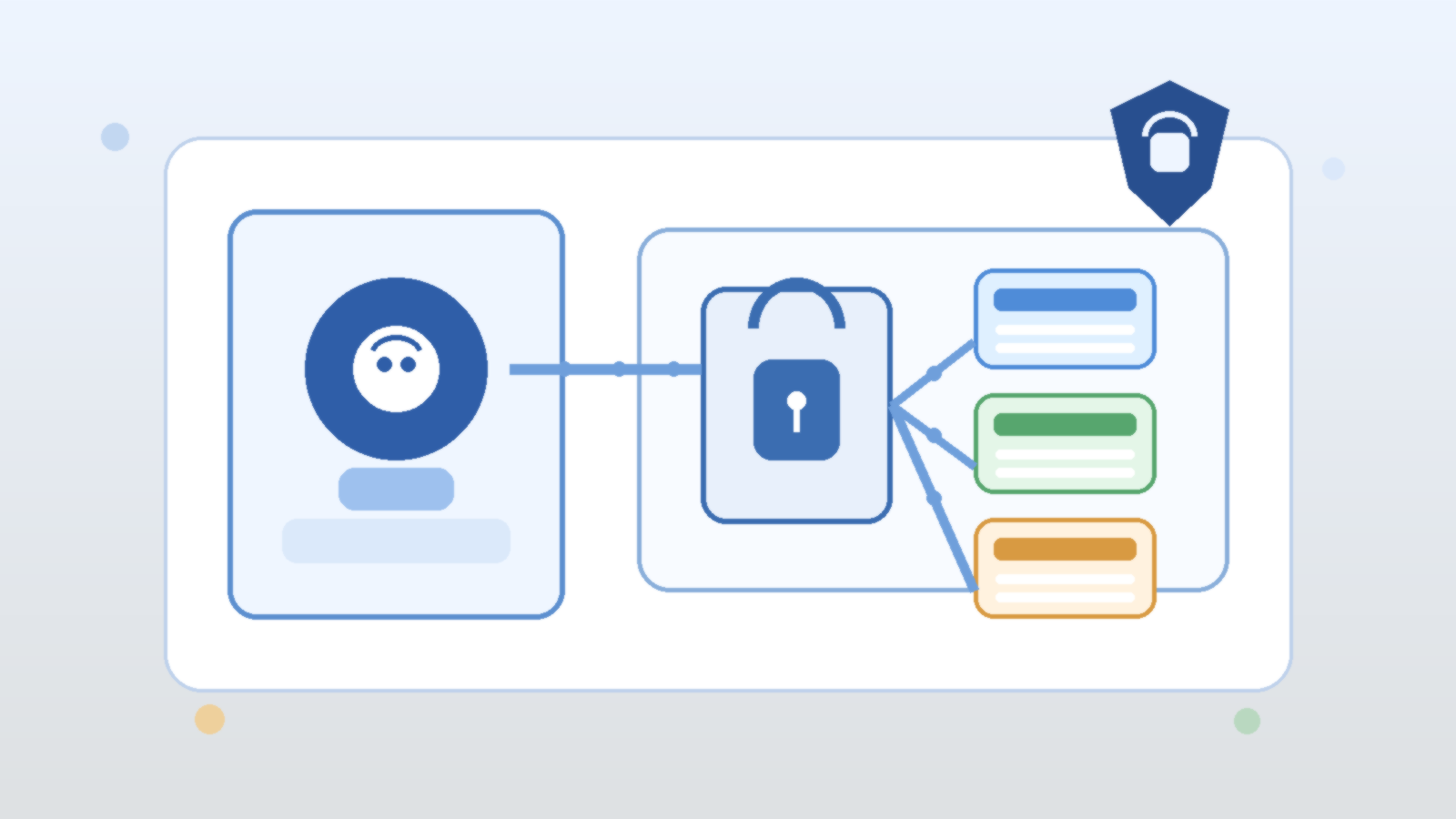
    This is where Azure Key Vault RBAC helps, but only if teams use it with intention. The goal is not merely to move secrets into a vault. The goal is to make sure each workload identity can access only the specific secret operations it actually needs, with ownership, auditing, and separation of duties built into the design.

    Why AI Pipelines Accumulate Secret Risk So Quickly

    AI systems tend to grow by integration. A proof of concept starts with one model endpoint, then adds content filtering, vector storage, telemetry, document processing, and business-system connectors. Each addition introduces another credential boundary. Under time pressure, teams often solve that by giving one identity broad vault permissions so every component can keep moving.

    That shortcut works until it does not. A single over-privileged managed identity can become the access path to multiple environments and multiple downstream systems. The blast radius is larger than most teams realize because the inference pipeline is often positioned in the middle of the application, not at the edge. If it can read everything in the vault, it can quietly inherit more trust than the rest of the platform intended.

    Use RBAC Instead of Legacy Access Policies as the Default Pattern

    Azure Key Vault supports both legacy access policies and Azure RBAC. For modern AI platforms, RBAC is usually the better default because it aligns vault access with the rest of Azure authorization. That means clearer role assignments, better consistency across subscriptions, and easier review through the same governance processes used for other resource permissions.

    More importantly, RBAC makes it easier to think in terms of workload identities and narrowly-scoped roles rather than one-off secret exceptions. If your AI gateway, batch evaluation job, and document enrichment worker all use the same vault, they still do not need the same rights inside it.

    Separate Secret Readers From Secret Managers

    A healthy Key Vault design draws a hard line between identities that consume secrets and humans or automation that manage them. An inference workload may need permission to read a specific secret at runtime. It usually does not need permission to create new secrets, update existing ones, or change access configuration. When those capabilities are blended together, operational convenience starts to look a lot like standing administration.

    That separation matters for incident response too. If a pipeline identity is compromised, you want the response to be “rotate the few secrets that identity could read” rather than “assume the identity could tamper with the entire vault.” Cleaner privilege boundaries reduce both risk and recovery time.

    Scope Access to the Smallest Useful Identity Boundary

    The most practical pattern is to assign a distinct managed identity to each major AI workload boundary, then grant that identity only the Key Vault role it genuinely needs. A front-door API, an offline evaluation job, and a retrieval indexer should not all share one catch-all identity if they have different data paths and different operational owners.

    That design can feel slower at first because it forces teams to be explicit. In reality, it prevents future chaos. When each workload has its own identity, access review becomes simpler, logging becomes more meaningful, and a broken component is less likely to expose unrelated secrets.

    Map the Vault Role to the Runtime Need

    Most inference workloads need less than teams first assume. A service that retrieves an API key at startup may only need read access to secrets. A certificate automation job may need a more specialized role. The right question is not “what can Key Vault allow?” but “what must this exact runtime path do?”

    • Online inference APIs: usually need read access to a narrow set of runtime secrets
    • Evaluation or batch jobs: may need separate access because they touch different tools, models, or datasets
    • Platform automation: may need controlled secret write or rotation rights, but should live outside the main inference path

    That kind of role-to-runtime mapping keeps the design understandable. It also gives security reviewers something concrete to validate instead of a generic claim that the pipeline needs “vault access.”

    Keep Environment Boundaries Real

    One of the easiest mistakes to make is letting dev, test, and production workloads read from the same vault. Teams often justify this as temporary convenience, especially when the AI service is moving quickly. The result is that lower-trust environments inherit visibility into production-grade credentials, which defeats the point of having separate environments in the first place.

    If the environments are distinct, the vault boundary should be distinct too, or at minimum the permission scope must be clearly isolated. Shared vaults with sloppy authorization are one of the fastest ways to turn a non-production system into a path toward production impact.

    Use Logging and Review to Catch Privilege Drift

    Even a clean initial design will drift if nobody checks it. AI programs evolve, new connectors are added, and temporary troubleshooting permissions have a habit of surviving long after the incident ends. Key Vault diagnostic logs, Azure activity history, and periodic access reviews help teams see when an identity has gained access beyond its original purpose.

    The goal is not to create noisy oversight for every secret read. The goal is to make role changes visible and intentional. When an inference pipeline suddenly gains broader vault rights, someone should have to explain why that happened and whether the change is still justified a month later.

    What Good Looks Like in Practice

    A strong setup is not flashy. Each AI workload has its own managed identity. The identity receives the narrowest practical Key Vault RBAC assignment. Secret rotation automation is handled separately from runtime secret consumption. Environment boundaries are respected. Review and logging make privilege drift visible before it becomes normal.

    That approach does not eliminate every risk around AI inference pipelines, but it removes one of the most common and avoidable ones: treating secret access as an all-or-nothing convenience problem. In practice, the difference between a resilient platform and a fragile one is often just a handful of authorization choices made early and reviewed often.

    Final Takeaway

    Moving secrets into Azure Key Vault is only the starting point. The real control comes from using RBAC to keep AI inference identities narrow, legible, and separate from operational administration. If your pipeline can read every secret because it was easier than modeling access well, the platform is carrying more trust than it should. Better scope now is much cheaper than untangling a secret sprawl problem later.

  • How to Use Azure AI Content Safety Without Creating a Manual Review Queue That Never Ends

    How to Use Azure AI Content Safety Without Creating a Manual Review Queue That Never Ends

    Teams usually adopt AI safety controls with the right intent and the wrong operating model. They turn on filtering, add a human review step for anything that looks uncertain, and assume the process will stay manageable. Then the first popular internal copilot launches, false positives pile up, and reviewers become the slowest part of the system.

    Azure AI Content Safety can help, but only if you design around triage rather than treating moderation as a single yes or no decision. The goal is to stop genuinely risky content, route ambiguous cases intelligently, and keep low-risk traffic moving without training users to hate the platform. That means thinking about thresholds, context, ownership, and workflow design before the first review queue appears.

    Start With Risk Tiers Instead of One Global Moderation Rule

    Not every AI workload deserves the same moderation posture. An internal summarization tool for policy documents is not the same as a public-facing assistant that lets users upload free-form content. If both applications inherit one shared threshold and one identical escalation path, you will either over-block the safer workload or under-govern the riskier one.

    A better pattern is to define a few risk tiers up front. Low-risk internal tools can use tighter automation with minimal human review. Medium-risk tools may need selective escalation for certain categories or confidence bands. High-risk workflows may require stronger prompt restrictions, richer logging, and explicit operational ownership. Azure AI Content Safety becomes more useful when it supports a portfolio of moderation profiles instead of one rigid default.

    Use Confidence Bands to Decide What Really Needs Human Attention

    One of the easiest ways to create an endless review queue is to send every flagged request to a person. That feels safe on day one, but it scales badly and usually produces a backlog of harmless edge cases. Reviewers end up spending their time on content that was only mildly ambiguous while the business starts pressuring the platform team to relax controls.

    Confidence bands are a more practical approach. High-confidence harmful content can be blocked automatically. Low-confidence benign content can proceed with logging. The middle band is where human review or stronger fallback handling belongs. This keeps reviewers focused on the cases where judgment actually matters and stops the moderation system from becoming an expensive second inbox.

    Separate Safety Escalation From General Support Work

    Many organizations accidentally route AI moderation issues into a generic help desk queue. That usually creates two problems at once. First, support teams do not have the policy context needed to interpret borderline cases. Second, truly sensitive reviews get buried beside password resets, printer tickets, and unrelated app requests.

    If moderation exceptions matter, they need a dedicated ownership path. That does not have to mean a large formal team. It can be a small rotation with documented decision criteria, expected response times, and a clear escalation path to legal, compliance, HR, or security when required. The point is to make moderation a governed workflow, not an accidental byproduct of general IT support.

    Give Reviewers the Context They Need to Make Fast Decisions

    A review queue gets slow when each item arrives stripped of useful context. Seeing only a content score and a fragment of text is rarely enough. Reviewers usually need to know which application submitted the request, what type of user interaction triggered it, whether the request came from an internal or external audience, and what policy profile was active at the time.

    That context should be assembled automatically. If a reviewer has to hunt through logs, ask product teams for screenshots, or reconstruct the prompt chain manually, your process is already too fragile. Good moderation design pairs Azure AI Content Safety signals with application metadata so review decisions are fast, explainable, and consistent enough to turn into better rules later.

    Track False Positives as an Operations Problem, Not a Complaints Problem

    When users say the AI tool is over-blocking harmless work, it is tempting to treat those messages as anecdotal grumbling. That is a mistake. False positives are operational data. They tell you where thresholds are too aggressive, where prompts are structured badly, or where specific applications need a more tailored moderation policy.

    If you do not measure false positives deliberately, the pressure to loosen controls will arrive before the evidence does. Track appeal rates, frequent trigger patterns, and queue outcomes by workload. Over time, that lets you refine the decision bands and reduce unnecessary review volume without turning safety into guesswork.

    Design the Escape Hatch Before a Sensitive Incident Forces One

    There will be cases where a human needs to intervene quickly, whether because a blocking rule is disrupting a critical workflow or because a serious content issue requires urgent containment. If the only path is an ad hoc admin override buried in a chat thread, you have created a governance problem of your own.

    Define the override process early. Decide who can approve exceptions, how long they last, what gets logged, and how the change is reviewed afterward. A good escape hatch is narrow, time-bound, and auditable. It exists to preserve business continuity without silently teaching every team that policy can be bypassed whenever the queue gets annoying.

    Final Takeaway

    Azure AI Content Safety is most effective when it helps teams route decisions intelligently instead of pushing every uncertain case onto a person. The difference between a durable moderation program and an endless review backlog is usually operating design, not the model alone.

    If you want safety controls that users respect and operators can sustain, build around risk tiers, confidence bands, contextual review, and measurable false positives. That turns moderation from a bottleneck into a managed system that can grow with the platform.